
Police powers / Criminal justice / England and Wales
What is Bail?
A quick guide to understanding what it means, when and why is it used?
Released does not mean cleared. Bail is the legal bridge between custody and the next stage of an investigation or criminal case.
Police bail and court bail do different jobs. Both are about what happens while the case is unfinished.
Reference point: BBC News · RAF Fairford · 28 September 2026
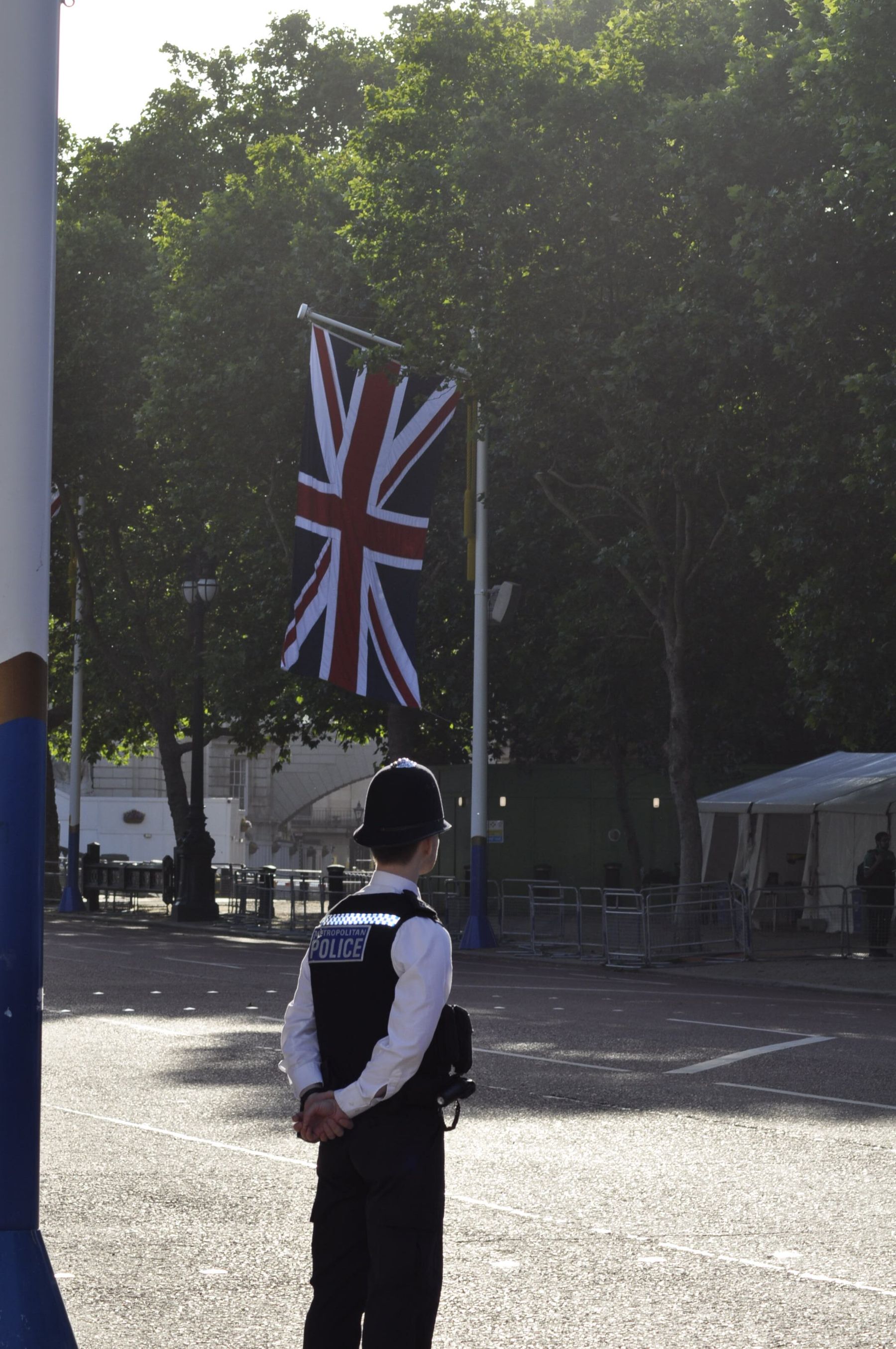
Stock photograph used to illustrate police bail, not the Fairford investigation. Himalay Patel / Pexels.
Key takeaways
Bail in plain English.
Bail describes what happens to a person while an investigation or criminal case continues. It does not decide guilt, innocence or whether the case is over.
Before charge, police can bail while enquiries continue. After charge, police can bail to court; the court then decides bail or remand.
Bail may be unconditional or carry restrictions. Any condition should address an identified legal purpose; it is not a sentence.
A bail headline tells you about custody, not guilt
On 28 September 2026, BBC News reported that people arrested in connection with the investigation near RAF Fairford were to be released on police bail. BBC News live coverage.
That is a useful example of a phrase we hear regularly: released on bail.
It does not mean the case has been dropped. It does not mean police have decided the person did nothing wrong. And it does not mean the person is guilty.
Bail is about what happens while a case is still going on.
Figure 01 · The basic idea
One word. Three different decisions.
The important question is where the case has reached.
Simplified England and Wales route. Main law: Police and Criminal Evidence Act 1984 and Bail Act 1976.
This guide is about England and Wales. Scotland and Northern Ireland have different systems.
Can police bail you without charging you?
Yes.
This is called pre-charge police bail. Someone has been arrested, but police are not ready to charge them.
The investigation may still need phone downloads, CCTV, forensic results, witness statements or other enquiries. Police cannot simply keep somebody in a cell until all of that work is finished.
PACE allows the person to be released on bail while the investigation continues. Current Home Office guidance says pre-charge bail should be necessary and proportionate. Home Office pre-charge bail guidance.
So two things can be true at the same time:
the person has been released, and the investigation is still active.
Does police bail mean you have been charged?
Not always.
Police bail can happen before charge. But police can also charge somebody and then release them to attend court.
That is why a headline saying someone was “released on police bail” is incomplete on its own.
The next question should be:
Have they been charged?
If the answer is yes, the case is moving into the court process. If the answer is no, police may still be investigating.
Figure 02 · Police bail and court bail
The decision-maker changes as the case moves.
Pre-charge bail
No charge yet.
Investigation continues.
Bail after charge
Charged.
Released to attend court.
Court bail
Case is before a court.
The court decides bail or remand.
Simplified comparison for England and Wales.
What is the difference between police bail and court bail?
Police make bail decisions at the police stage. Courts make bail decisions once the case is before them.
The main law for court bail is the Bail Act 1976. The starting point for most unconvicted defendants is bail, subject to statutory exceptions. Bail Act 1976.
A court may refuse bail where the legal test is met. For example, it may be concerned that the defendant will not return, will commit an offence, interfere with witnesses or obstruct the case.
The court can also impose conditions instead of keeping somebody in custody.
Court bail is still not a verdict. It is a decision about whether somebody needs to stay in custody while the case continues.
What are bail conditions?
Bail can be unconditional. It can also include rules.
Examples can include:
Figure 03 · Bail conditions
A condition should manage a specific risk.
Examples only. Conditions depend on the legal power and the individual case.
A bail condition is not a punishment for the original allegation.
But ignoring bail can have consequences. Police may arrest somebody suspected of breaching police bail conditions. Failing to surrender to court bail without reasonable cause is an offence under section 6 of the Bail Act 1976. Bail Act 1976, section 6.
What is the difference between bail and release under investigation?
Someone can also be released under investigation, usually shortened to RUI.
The investigation still continues, but the person is not on police bail.
Figure 04 · Bail or RUI?
Both can mean the investigation is still open.
Investigation continues.
Return requirement.
Conditions can be imposed where lawful.
Investigation continues.
No bail return requirement.
No police bail conditions.
That difference can be important where police need conditions to manage a risk.
How long can police bail last?
For a standard pre-charge bail case, the initial bail period is three months.
Extensions require more senior authorisation. Longer extensions eventually need a magistrates’ court. Home Office pre-charge bail guidance.
Figure 05 · Standard pre-charge bail
More time means more scrutiny.
Standard cases only. Exceptional cases can follow different rules.
An extension is not automatic. Continued bail must still be justified.
What does “released on bail” actually tell you?
Very little about guilt or innocence.
It tells you about the person’s legal position while the case continues.
The quickest way to read a bail story is to ask four questions:
Figure 06 · Headline decoder
Four questions are usually enough.
That is also the safest way to read the Fairford report.
The important facts are that bail has been used and the investigation continues. Nothing in the bail decision itself tells us how the case will end.
Common questions about bail
Does bail mean the case has been dropped?
No. An investigation or court case can continue while somebody is on bail.
Do you have to pay money for bail in England and Wales?
Usually not. This is not the American-style system where a cash payment routinely buys release. Courts can use sureties in some circumstances, but ordinary police or court bail is mainly about release, attendance and risk.
Can bail conditions be changed?
Yes, through the proper legal process. Police bail conditions and court bail conditions can be varied in different ways. A condition should not simply be ignored.