
I want to understand the approach
Begin with the relationship between research, professional judgement and the problem in front of you.
How the SEBP helps practitioners use evidenceAccessibility
Translations are generated automatically and cached after the first request. You can return to the original English page at any time.
Start here
Start with a policing question, find relevant research and examine what it supports. A reading guide to evidence-based policing, practical examples and research tools.
21 articles · All topics →
The starting point
Evidence-based policing brings research into decisions about what police do and how they assess the result. Start with a question you need to answer, then examine the evidence relevant to it.
This guide connects Thinking About Policing's explanations and arguments. Follow each article to its original sources, methods and qualifications. The material is written for UK readers; check the jurisdiction and setting of each example before applying it elsewhere.
Read our account of the SEBP's approach to research and professional judgement.
A route through the reading
Begin with the relationship between research, professional judgement and the problem in front of you.
How the SEBP helps practitioners use evidenceFollow the argument for giving unfinished ideas a clear route to support, scrutiny and testing.
Taking a frontline idea into evidence-based practiceExplore neighbourhood policing through the separate questions of public confidence, crime and implementation.
What the neighbourhood policing evidence can answerUse procedural justice to explore how a clear idea becomes a practical policing approach, and how its effects are assessed.
The evidence and limits of procedural justiceReading with a decision in mind
Use these prompts to work through an article and its sources. They are an editorial reading aid, rather than a validated assessment scale.
These prompts apply TAP's standards for evidence, interpretation and recommendation.
Put the reading to use
Record the problem, the people affected, the decision you face and the outcome you want to understand. Add what is already known and what remains uncertain. That gives a colleague, analyst or researcher something specific to examine.
Explore the Evidence & Research Lab for research assistance, practical summaries and data tools. The tools require a free account; this guide and the linked articles are available to read without signing in.
Guide reviewed 10 September 2026. Suggest a correction or a useful addition.

How police leaders can help frontline ideas become tested improvements: spot it, tell it, work it, share it.
Can complaints, use of force, driving standards and misconduct data identify harmful police team cultures earlier? Research on peer effects and Operation Hotton suggests forces should test the possibility.

Public Space Protection Orders are being used against sexual harassment in Bradford and London. They make local enforcement possible, but evidence that they reduce harassment remains limited.

What research explains about police intuition, what remains unproven, and how forces could test judgement by measuring successes and false alarms.

Self-selection policing uses minor offences as lawful triggers to look for wider criminality. The evidence supports the idea that serious offenders are often offence-versatile; applying the same logic to police misconduct is plausible, but still needs testing.
Drug policy is often reduced to tougher laws versus legalising drugs. The evidence is clearer than that: treatment for heroin and other opioid dependence has strong support, while the effects of changing drug laws are harder to judge. Here is the evidence in plain English.

Commercial crime rankings repeatedly put Worthing at or near the top for shoplifting. The recorded figures were real, but reporting changes, denominator choices and old data materially changed what they could tell us.
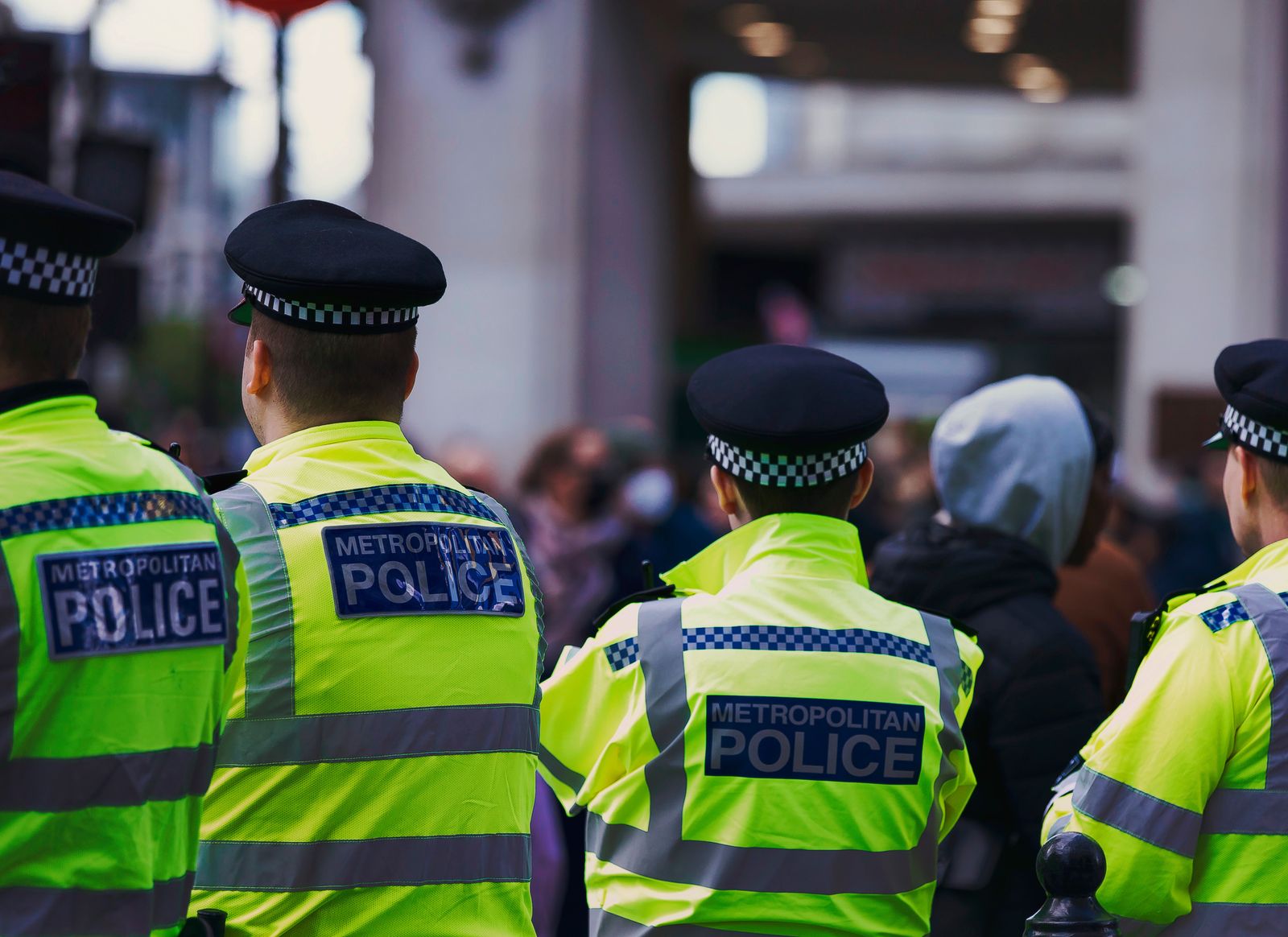
Procedural justice is one of policing's strongest routes to legitimacy: give people voice, make neutral decisions, show respect and explain trustworthy motives. The evidence supports the approach, but leaders should be precise about what it has — and has not — been shown to change.

Alex Murray spent a career investigating murders and running counter-terrorism operations, then built the institution that asked British policing a harder question: does any of this actually work? A profile of the founder of the Society of Evidence-Based Policing.

What studies of England matches reveal about alcohol, timing and recorded domestic abuse, and how police and partners could test their response.

Professor Jason Roach helped develop self-selection policing: using selected minor offences as behaviour-based opportunities to identify wider serious offending. His wider contribution is practical psychology built for police use.

The SEBP's real value isn't lobbying or publishing — it's lowering the bar so that any officer with a good idea can test it, get support to do so properly, and share what they find. Here is what it is, what it actually does, and why that matters.

Dr Susanne Knabe-Nicol built Police Science Dr around a simple problem: useful policing research often fails to reach practitioners in a form they can access and use. Her work is a case study in evidence translation rather than evidence production.

Former Metropolitan Police officer Jerry Ratcliffe helped turn intelligence-led policing into a practical model: interpret the criminal environment, influence decisions and test whether targeted action changes harm.

In 1981 Lawrence Sherman ran a domestic violence call as a scientific experiment, and policing was never quite the same. A profile of the American criminologist who argued that the police should be tested like medicine — and who taught the officers, Alex Murray among them, who carried the idea into British policing.
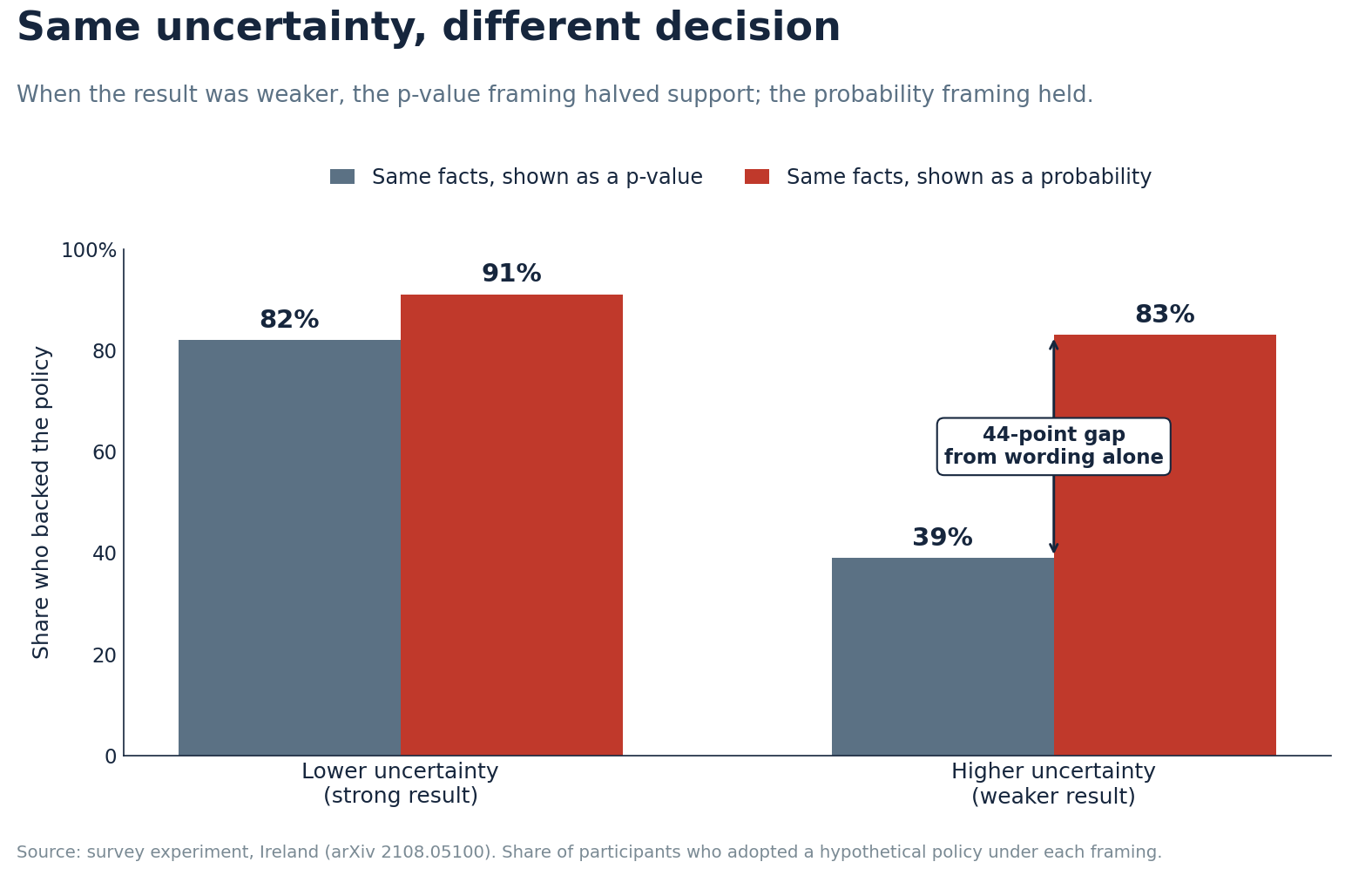
BBC Radio 4's More or Less is useful professional development for anyone working with police data. Five habits matter most: check the denominator, definition, comparison, causal claim and your own instinct to believe the number.

The sentencing judge found that Vickrum Digwa murdered Henry Nowak and deceived the officers who arrived at the scene. A separate IOPC investigation has since placed two officers under investigation for potential gross misconduct. Those findings must be kept distinct.
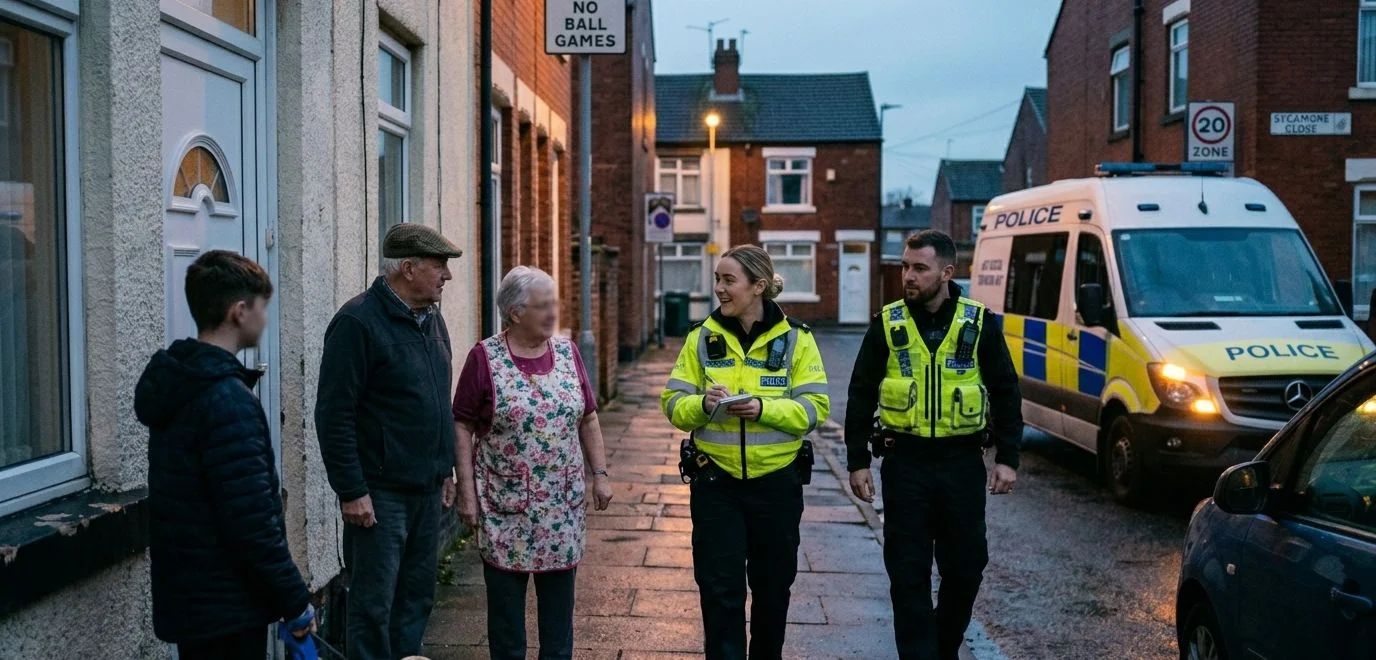
The Neighbourhood Policing Guarantee combines named local policing, visible presence and hot-spots patrol. These can support confidence and crime reduction, but the evidence points to different mechanisms and measures for each.
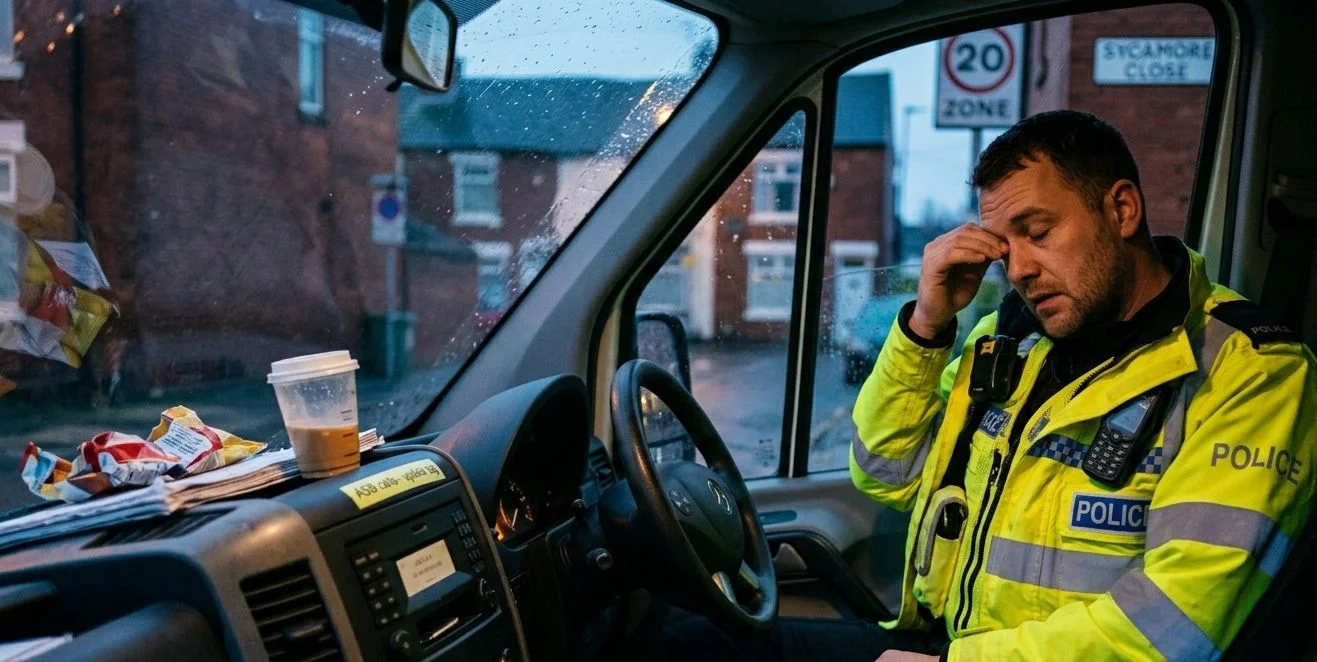
Police wellbeing is not only an individual resilience issue. Organisational stressors, fatigue and poor supervision are associated with worse mental wellbeing and impaired performance. The strongest leadership response is to change working conditions as well as offer support.

An industry estimate puts fuel taken without payment at £194,000 a day. The figure needs care, but it exposes a police response that still fails to separate mistakes from repeat theft.
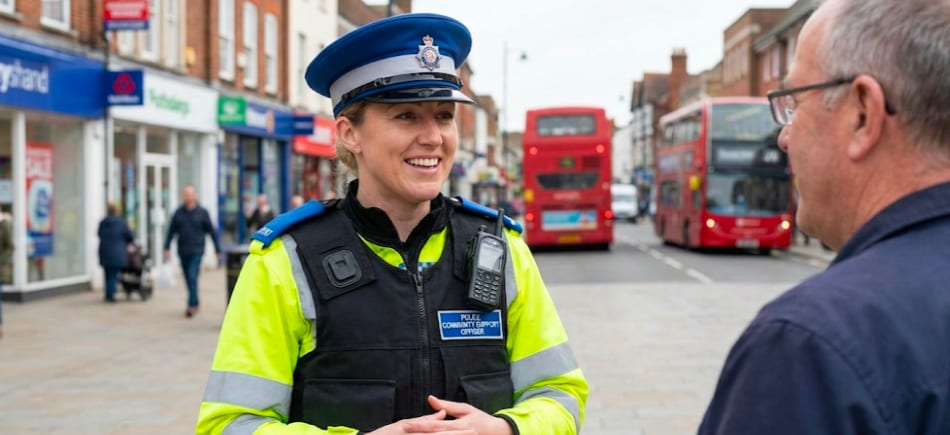
The evidence supports neighbourhood policing as a route to higher public confidence, but visibility alone is not enough. The strongest model combines targeted presence, community engagement and problem-solving — and requires forces to protect the capacity to deliver all three.