Neighbourhood Policing Guarantee: Confidence and Crime Need Different Measures
In brief
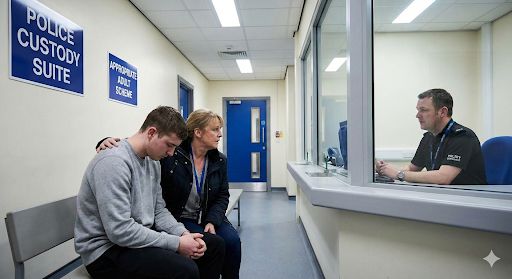
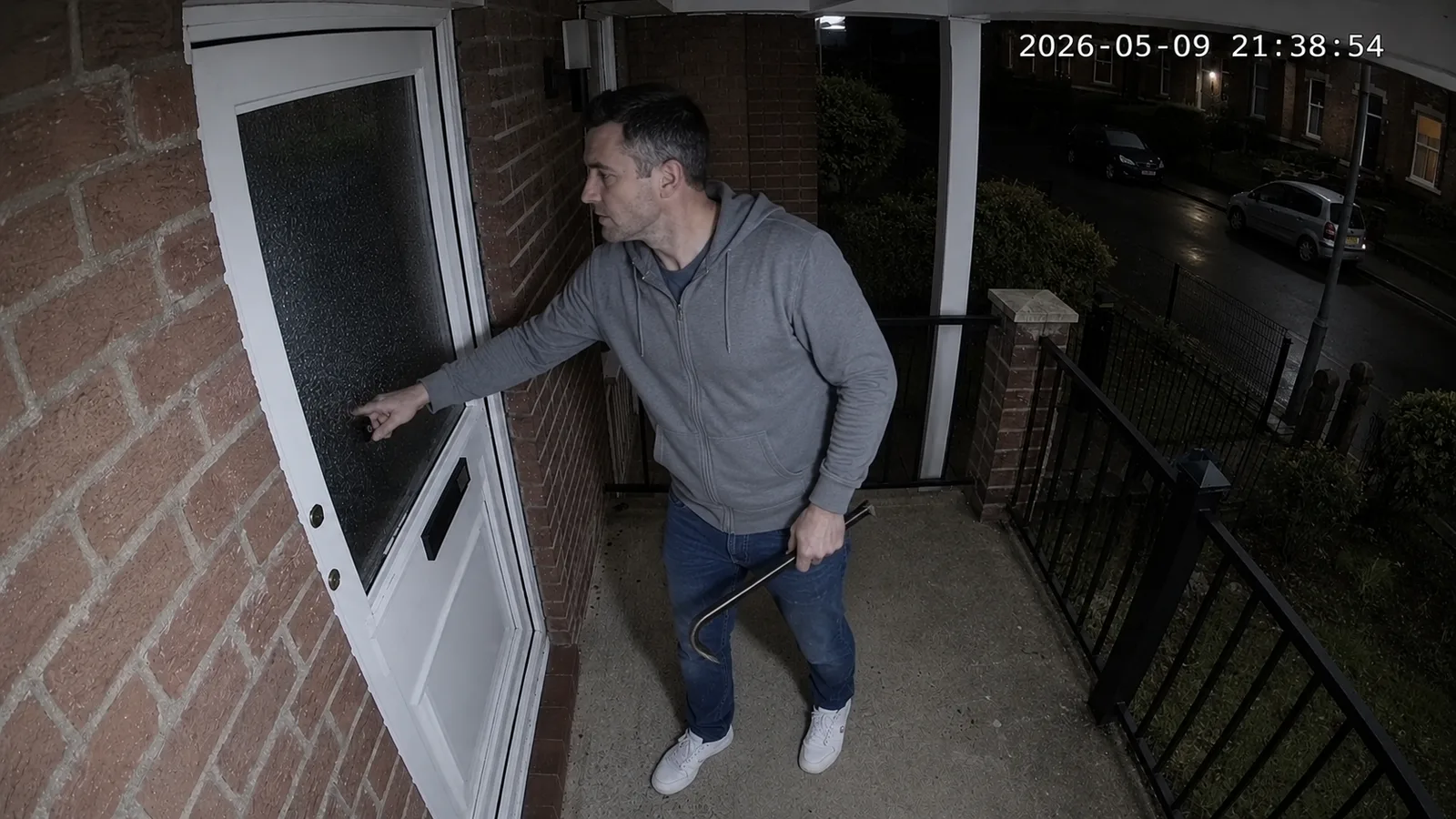
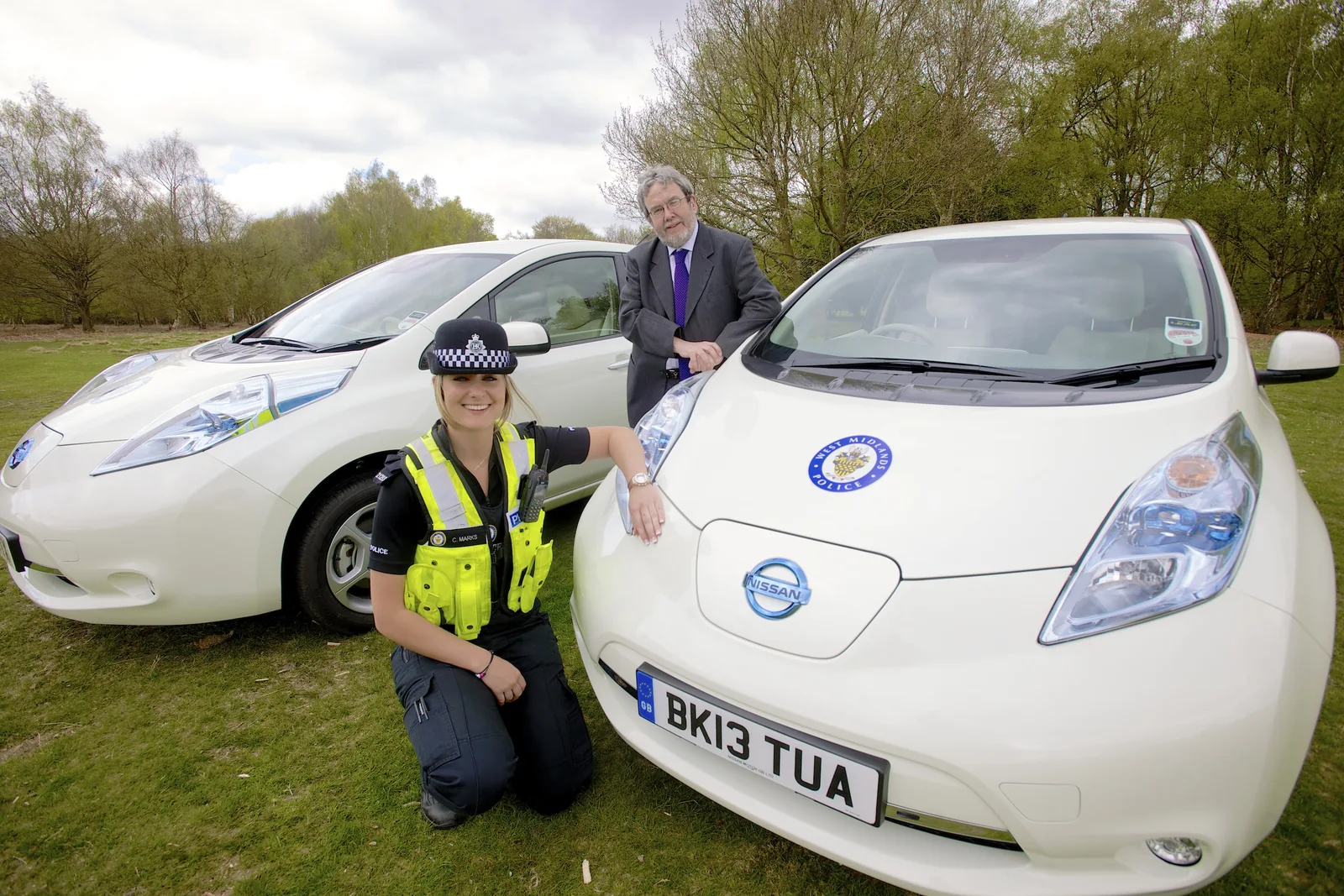
The Neighbourhood Policing Guarantee combines named local policing, visible presence and hot-spots patrol. These can support confidence and crime reduction, but the evidence points to different mechanisms and measures for each.

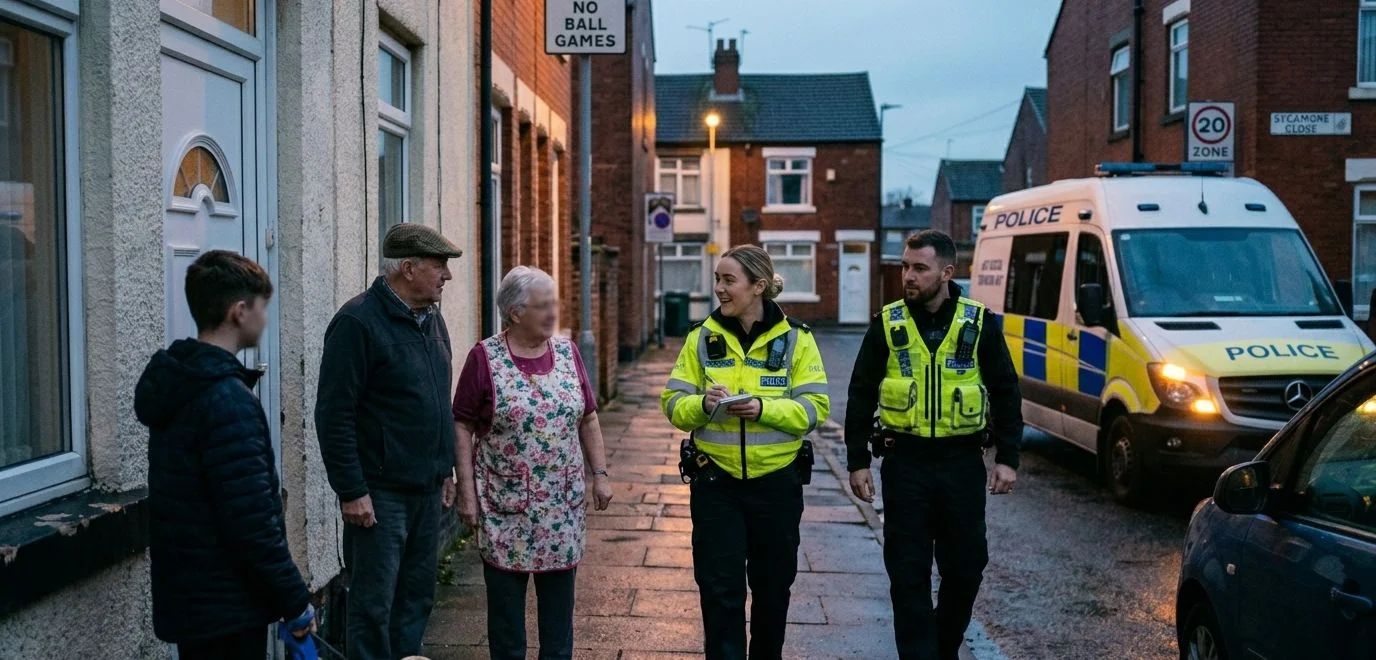
The Neighbourhood Policing Guarantee is not one intervention. It is a package containing at least two different evidence-based ideas: neighbourhood policing to improve public confidence and targeted hot-spots policing to reduce crime in small high-harm places.
That distinction matters because a force can deliver one well and the other badly while reporting both under the same programme name.
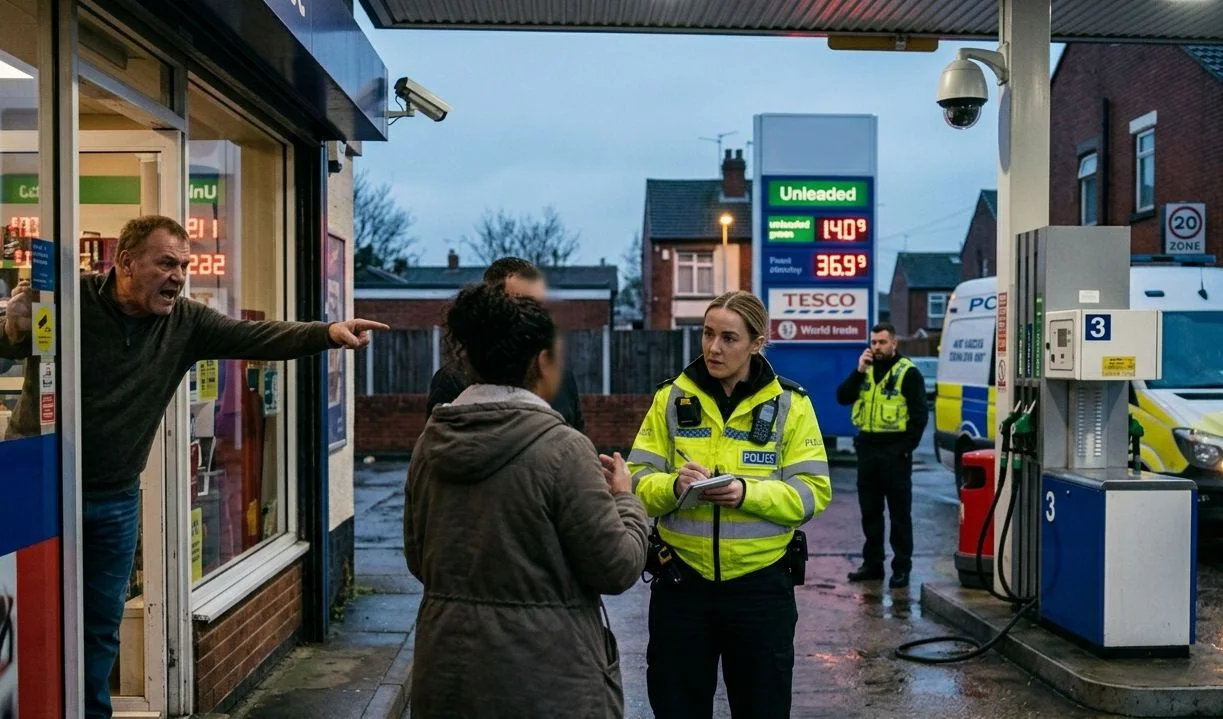
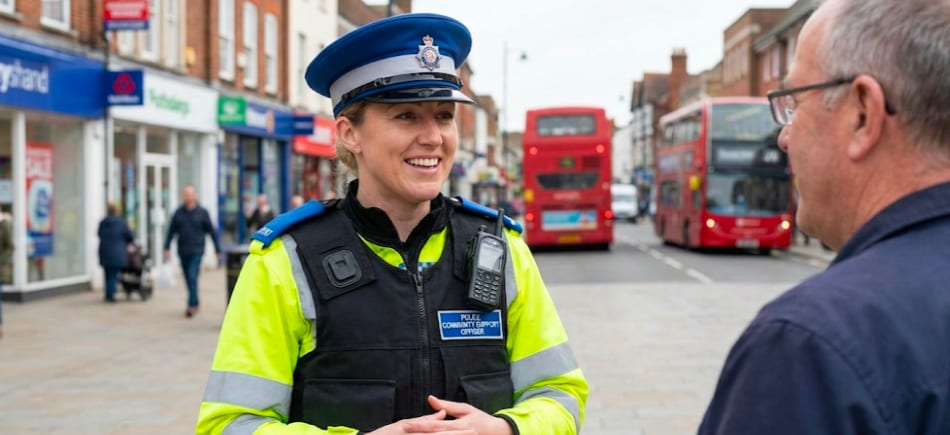
The Home Office Guarantee includes named, contactable officers, dedicated neighbourhood teams, patrols in town centres and other hot-spot areas, an anti-social behaviour lead in each force and a commitment to 13,000 additional neighbourhood policing personnel by 2029. That total includes officers, PCSOs and special constables. (One tool those ASB leads will reach for is the Public Space Protection Order, whose evidence base deserves the same scrutiny as the rest of the package.) Home Office, 10 April 2025.
The first funded year was described differently. Forces agreed to deliver 2,972 full-time-equivalent police officers and PCSOs between 1 April 2025 and 31 March 2026. Home Office management information, 7 April 2026.
The figures are useful for tracking implementation. They do not tell us whether the programme improves confidence or cuts crime. For that, the interventions need to be evaluated against the outcomes they are designed to change.
Named local policing is principally a confidence intervention
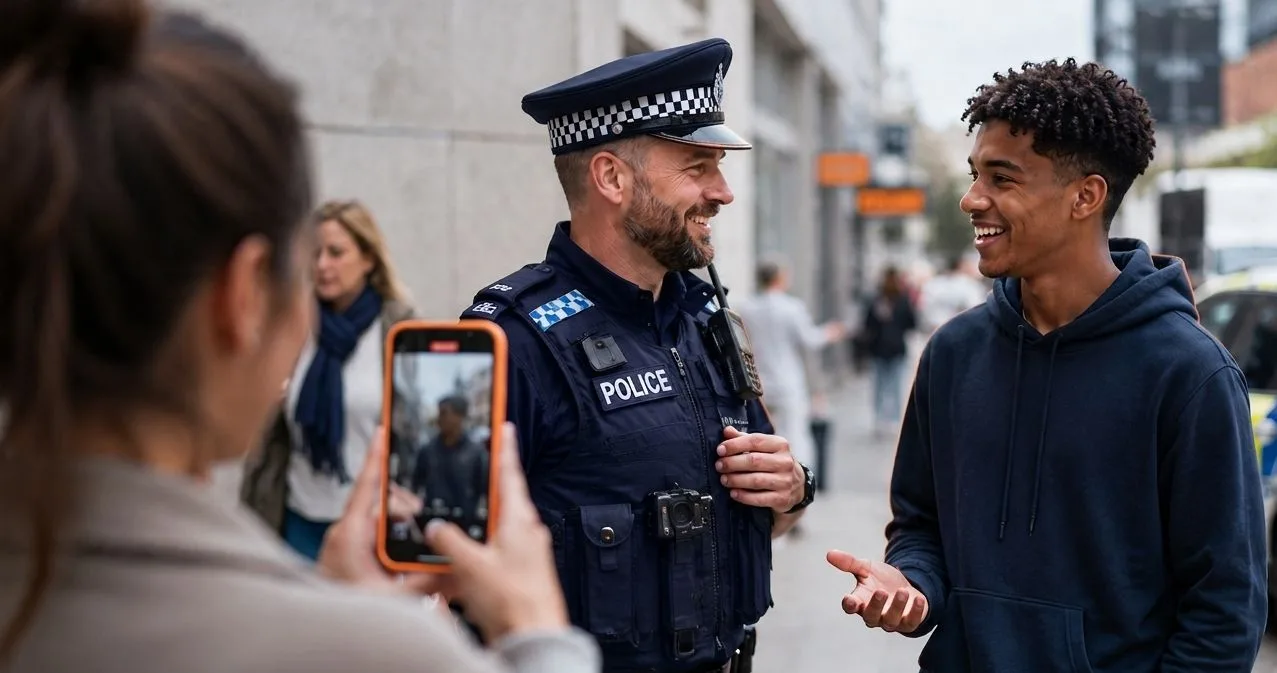
The College of Policing’s 2025 evidence synthesis says neighbourhood policing significantly improves public confidence and trust overall. Evidence from England and Wales indicates that high-quality implementation can produce quick, large and sustained gains. College of Policing, 22 April 2025.
The mechanism is not simply familiarity with a named officer. The College identifies three components that work in combination: targeted visible presence, structured community engagement and problem-solving on issues that matter locally.
A named and contactable officer can help make those components possible. It provides continuity and a recognisable route into the police. But the name on a website is an input, not the outcome. If residents cannot reach the team, if the officer is repeatedly abstracted or if engagement never changes what the police do, the programme is not delivering the intervention described in the evidence review.
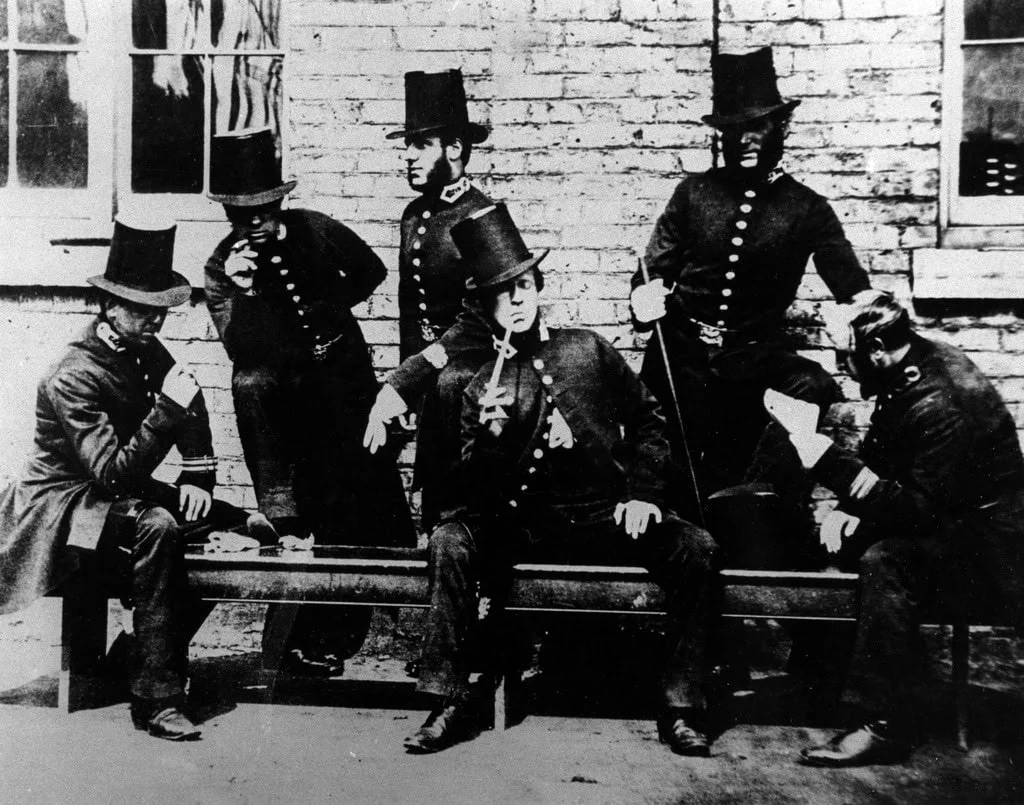
Confidence should therefore be measured directly. Local surveys, victim-contact measures, perceptions of responsiveness and trust can tell forces something that officer numbers and crime counts cannot. The preoccupation with public approval is not new: it is the operational descendant of the policing-by-consent tradition the British model was founded on.
Hot-spots patrol is a different intervention
Hot-spots policing starts from the concentration of crime in small places. The College defines a hot spot as a micro-location small enough that an officer standing in the centre can see most of it. Resources are then concentrated at those places rather than spread evenly across a neighbourhood. College of Policing — hot spots policing.
The evidence base for crime reduction is strong. The operational detail is also unusually specific.
College guidance says high-visibility patrol should move unpredictably between hot spots and spend short periods in each. Evidence cited from Koper places the most useful visit duration around 10 to 16 minutes, with diminishing returns beyond that. College of Policing — hot spots policing.
UK trials have used that dosage explicitly. A College-listed PCSO trial in a small city-centre setting used four 15-minute patrol visits per day over 90 days, timed around local temporal hot spots. College of Policing research project.
That does not make 15 minutes a magic number. Different settings and trials use different schedules, and a West Midlands experiment directly tested shorter, more frequent visits against fewer longer ones. The important principle is deliberate dosage, not ambient presence. College of Policing — West Midlands patrol-dose RCT.
The Guarantee can combine them without confusing them
There is no reason a neighbourhood team cannot deliver both models.
An officer can conduct a defined hot-spots patrol in a high-crime micro-location and then use the wider neighbourhood role to engage businesses, gather intelligence and lead problem-solving around the same place. In fact, College guidance encourages problem-oriented policing alongside visible hot-spots patrol because the two work on different mechanisms: patrol raises the immediate perceived risk of offending; problem-solving addresses the conditions generating the repeated problem. College of Policing — hot spots policing.
The implementation risk comes when the labels blur.
If “hot-spots policing” means an officer happened to walk through a town centre while conducting general neighbourhood patrol, the force cannot know whether the tested tactic was delivered. Equally, if a team delivers perfect 15-minute hot-spots doses but has no sustained engagement or problem-solving, it should not assume that the crime intervention alone will generate the full confidence benefits of neighbourhood policing.
The two models can reinforce each other. They are not interchangeable.
Headcount is not dosage
The 13,000 commitment is politically and operationally significant, but headcount alone cannot answer whether a particular neighbourhood or hot spot receives enough of the relevant intervention.
The Home Secretary’s implementation letter says neighbourhood teams should spend the majority of their time in their communities, providing visible patrol and engaging residents and businesses. It also says neighbourhood areas will be linked to council wards while allowing forces to define workable local geographies. Home Office letter to PCCs and chief constables.
That makes local abstraction data particularly important. A post can count towards establishment while the officer’s working time is routinely consumed elsewhere. Conversely, a small team can deliver high-quality targeted interventions if its time is protected and its work is tightly prioritised.
For hot-spots policing, the relevant measure is whether the correct places received the planned visits at the planned times. For neighbourhood policing, it is whether teams actually delivered visibility, engagement and problem-solving.
One scoreboard would hide more than it reveals
A national programme naturally creates pressure for simple performance measures. The evidence argues for resisting one combined score.
A useful local framework would separate at least three things:
Neighbourhood confidence: public confidence, trust, perceived responsiveness and satisfaction with contact.
Neighbourhood problem-solving: recurring problems identified, responses implemented, victim or community outcomes, and whether the problem recurred.
Hot-spots crime control: treatment fidelity, visits delivered, crime or harm in treatment locations and comparison with an appropriate baseline or comparison area.
Officer numbers, patrol hours and engagements remain useful implementation measures. They should not be mistaken for effects.
The policy is strongest when it admits it is doing two jobs
The Guarantee’s breadth is not a flaw. It gives forces a route to rebuild local relationships while also embedding a well-supported place-based crime tactic.
The avoidable mistake would be to collapse those ambitions into one vague promise that “more neighbourhood policing will reduce crime and increase confidence” and then judge the whole package on whichever national indicator happens to move first.
The evidence is more useful than that. Neighbourhood policing can improve confidence when visibility, engagement and problem-solving are delivered together. Hot-spots policing can reduce crime when patrol is concentrated in small high-crime locations with deliberate dosage.
Chief constables should make both claims, but measure them separately. That makes success easier to identify and failure harder to disguise.
Sources and further reading
- Home Office — More detail announced on the Neighbourhood Policing Guarantee, 10 April 2025
- Home Office — Growth under the Neighbourhood Policing Programme, as at 28 February 2026
- Home Secretary letter to PCCs and chief constables on the Guarantee
- College of Policing — What works: implementing neighbourhood policing
- College of Policing — Hot spots policing
Discussion questions
- 01
Does your force separately measure the confidence effect of neighbourhood policing and the crime effect of hot-spots patrol?
- 02
Are hot-spots patrols delivered as defined doses in micro-locations, or recorded as general visible presence?
- 03
How much of the Guarantee's additional capacity is protected for local engagement and problem-solving?