Are Balaclavas illegal? - When can the Police make you take off a mask or face covering?
In brief
Wearing a balaclava is usually legal in England and Wales. Police need a legal power to make you remove it or leave an area. Temporary local rules can change the answer. Here are three common questions answered in plain English.

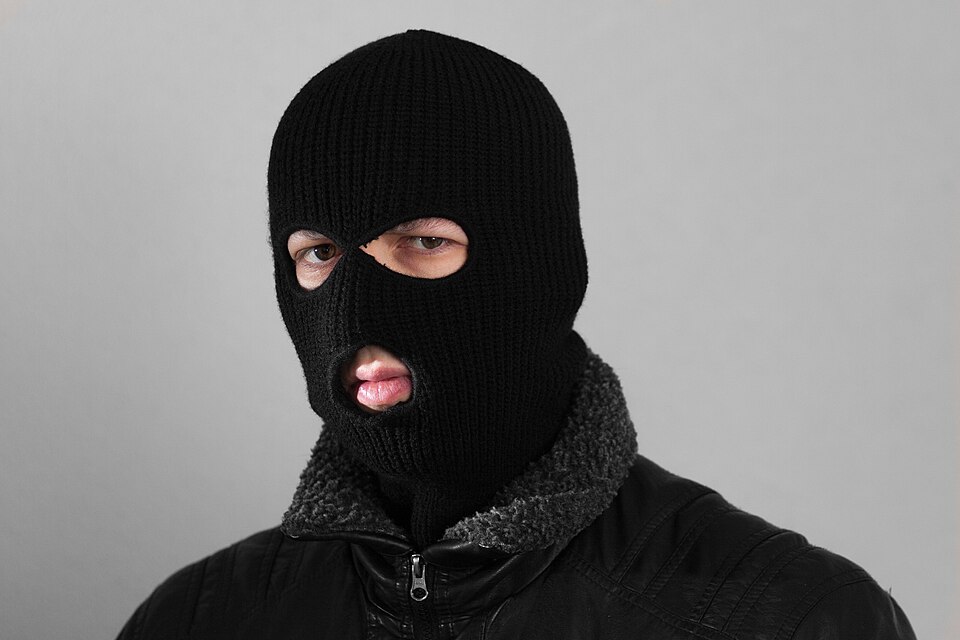
England and Wales. Law checked on 11 September 2026.
Photo: a balaclava modelled for a clothing photograph. Tobias “ToMar” Maier / Wikimedia Commons, CC BY-SA 3.0.
Face coverings: three different questions
01 · WEARING IT
Usually legal
There is no general ban. Check any temporary protest restriction or local order.
02 · TAKING IT OFF
Police need a power
Section 60AA must be active. A uniformed officer needs reasonable grounds to believe your main purpose is hiding your identity.
03 · LEAVING THE AREA
Your behaviour matters
Sections 34–35: the area must be approved, and the officer must meet the behaviour and necessity tests explained below.
Ask: “Which power are you using, and why does it apply to me?”
Quick guide, England and Wales. The exceptions and source links are explained below.
1. Is it illegal to wear a balaclava or face covering in public?
Usually, no. There is no general ban on covering your face. A balaclava, scarf or mask does not, by itself, mean you are committing a crime. But temporary restrictions and local rules can apply.
At some protests, different rules apply. Since 29 June 2026, police can mark out an area where hiding your identity in a public place is an offence. A senior officer must have reasonable grounds to expect offences linked to a protest, or believe they have happened, and consider the restriction useful to prevent or limit them. 2026 Act, sections 157–158; start date.
In that area:
- You do not have to be taking part in the protest for the rule to apply.
- Police do not have to warn you personally first. They must take all reasonable steps to tell the public about the restriction, its area and its times.
- Health, religious observance and work can be legal defences. These are reasons the law recognises for covering your face.
This is a temporary restriction for a defined area, not a ban at every protest. Sections 157 and 158.
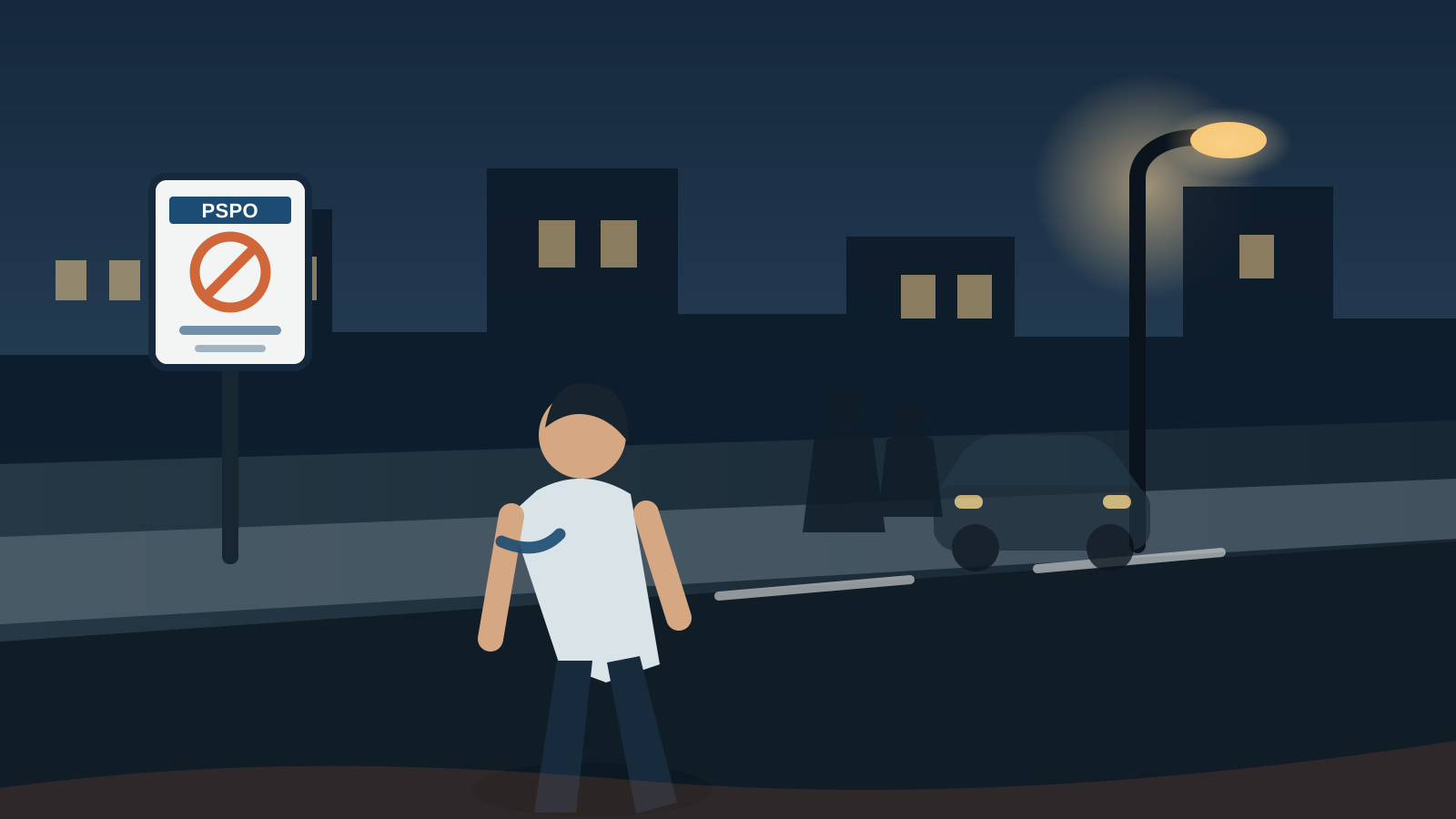
A headline about a town banning balaclavas does not mean they are banned everywhere. Councils can make local rules called Public Spaces Protection Orders. Check the actual order: where it applies, what it prohibits and any exceptions. 2014 Act, sections 59 and 67.
2. Can police make me take my balaclava off?
Yes, when a legal power applies. An officer asking is not always the same as an order you must obey. One power is section 60AA of the Criminal Justice and Public Order Act 1994.
For this power to apply:
- It must be active in that place at that time. A senior officer must first approve its use, either separately or alongside a section 60 weapons-search area.
- The officer must be in uniform.
- The officer must have reasonable grounds to believe your main reason for wearing it is to hide who you are. Simply covering your face is not the whole test.
Police can also take an item they reasonably believe someone intends to wear mainly to hide their identity. Refusing a lawful order to remove it is a criminal offence. Section 60AA.
What to remember
- A face covering is not automatically illegal.
- Removal, searching and being told to leave are different powers.
- The reason, place and time matter.
Can police stop and search me just because I am wearing one? Wearing a balaclava does not automatically give police a search power. Most searches need reasonable grounds to suspect you have something the law lets police search for, such as a weapon. Section 60 allows weapons searches without individual suspicion in an approved area. Section 60AA itself does not let police search your pockets or bag for disguises. PACE Code A, paragraphs 2.2 and 2.12–2.15.
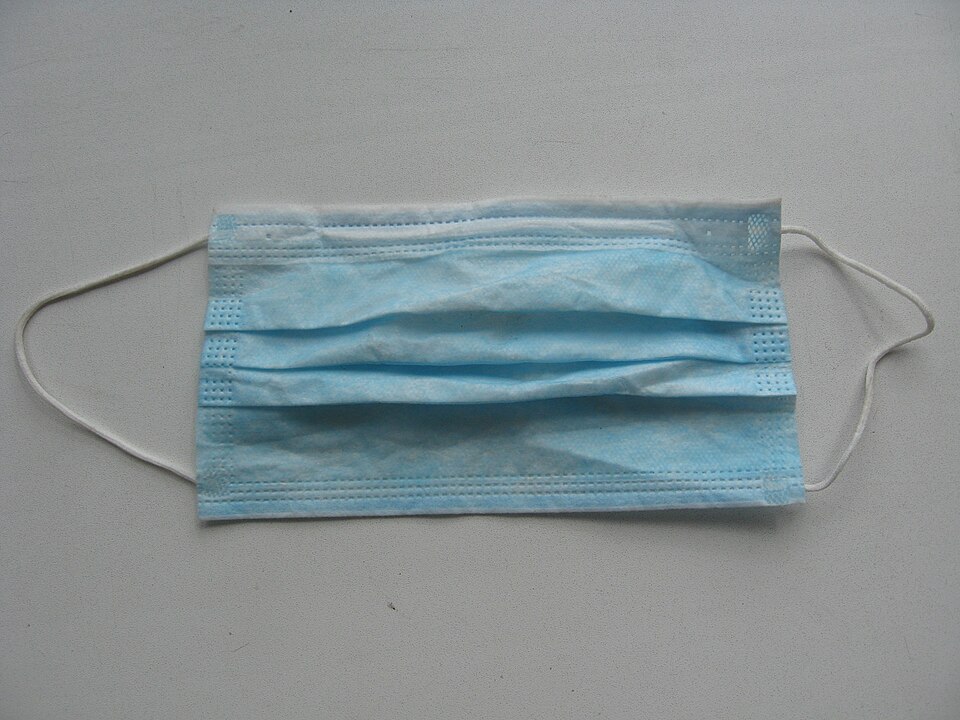
What about health or religion? Explain why you wear the covering. Under section 60AA, that matters when deciding whether your main purpose is to hide your identity. Official guidance says religious coverings should not be removed simply because they hide the face. Where religious sensitivities arise, removal should be out of public view and, where practical, with an officer of the same sex. This guidance explains how to use the law; it does not create a general mask ban. PACE Code A, note 4.
3. Can police make me leave an area if I have not committed a crime?
Yes. Police can sometimes tell you to leave to prevent trouble before a crime happens. This is called a dispersal direction. But they must meet legal conditions.
There are two steps:
- Section 34 approves the area. An inspector or more senior officer must reasonably believe the powers may be needed to reduce crime, disorder or behaviour that harasses, alarms or distresses people. That approval lasts up to 48 hours.
- Section 35 applies to you. A uniformed officer must reasonably suspect your behaviour has caused, or is likely to cause, those problems. They must also believe making you leave is necessary to reduce the risk.
A balaclava alone does not automatically meet those conditions. 2014 Act, sections 34 and 35.
How long can I be kept away? Currently, up to 48 hours — two days. From 26 October 2026, the maximum becomes 72 hours — three days, with a senior-officer review after 48 hours. That future change does not extend the separate approval for the area. 2026 Act, section 3; start date.
The direction cannot stop you reaching your home or attending work, education or medical appointments covered by the law. Other protections include those for children under ten and certain marches and pickets. Section 36.
If an officer tells you to leave, ask:
- “Which law are you using?”
- “Which area must I leave, and when can I return?”
- “Can I have the direction in writing?” It should be written unless that is not reasonably practical.
Explain any health needs or need to reach home, work or an appointment. Ignoring a lawful direction without a reasonable excuse is an offence. Sections 35 and 39.