Jason Roach and the Case for Self-Selection Policing
In brief
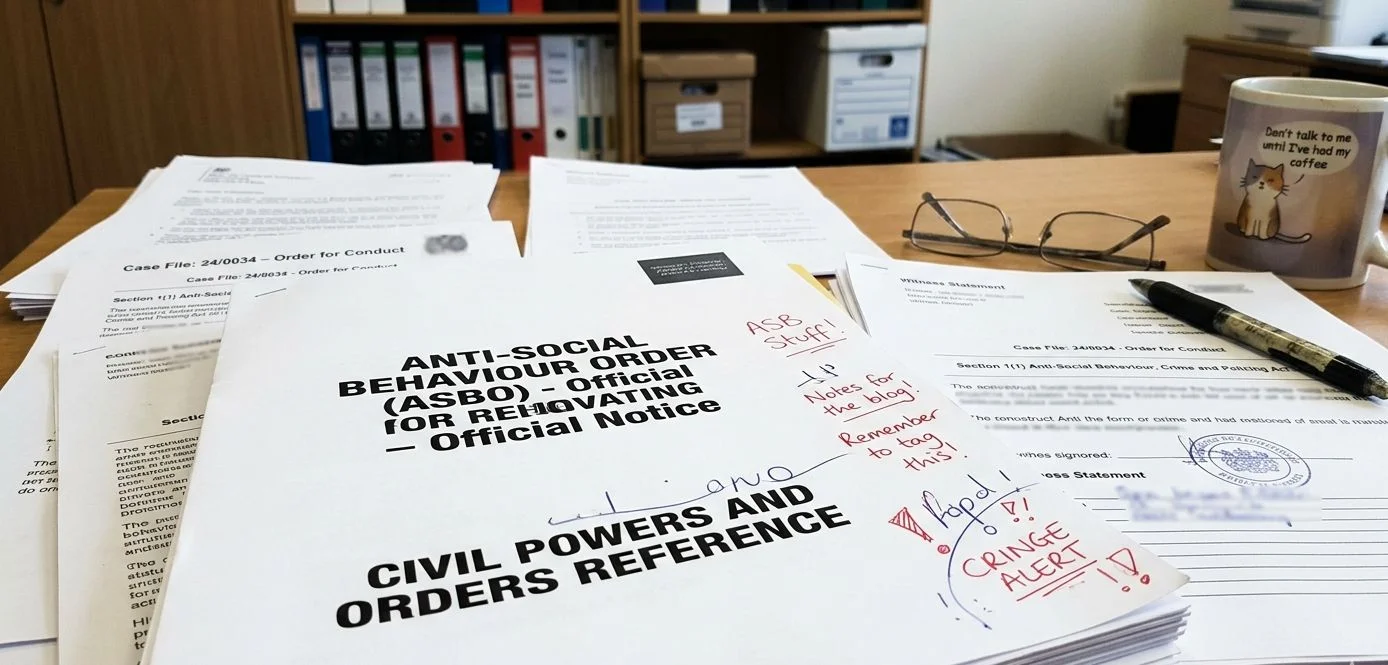
Professor Jason Roach helped develop self-selection policing: using selected minor offences as behaviour-based opportunities to identify wider serious offending. His wider contribution is practical psychology built for police use.


Jason Roach’s contribution to policing starts with a deceptively useful question: when somebody commits a small offence in front of the police, what else does that behaviour tell us?
Roach is currently Professor of Crime and Policing at the University of Huddersfield. His university biography records earlier work as a Home Office crime analyst and at the Home Office Crime Reduction College, alongside a research career spanning self-selection policing, criminal investigation, violent crime, decision-making and crime prevention. University of Huddersfield profile, updated 8 June 2026.
That mixture of psychology, analysis and operational application explains the work for which he is best known: self-selection policing.
The idea starts with what offenders do
Roach and Ken Pease set out self-selection policing as a complementary method for identifying active serious offenders through the minor offences they commit. Their 2016 book reviews a series of studies involving prison visitors, driving offences and failures to produce driving documents. The selection mechanism is deliberately behavioural: what the person has done, rather than who they are. Roach & Pease, 2016.
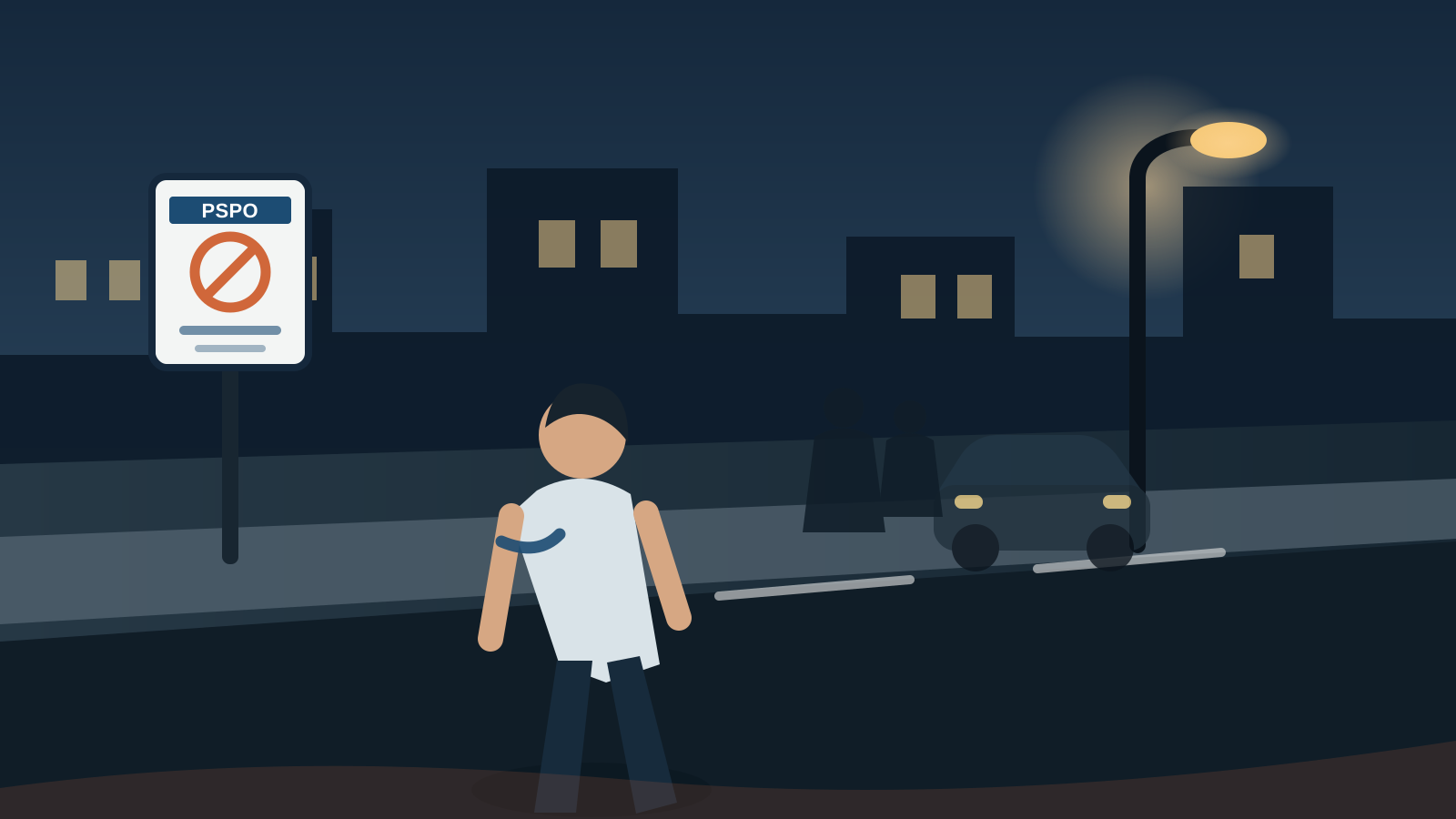
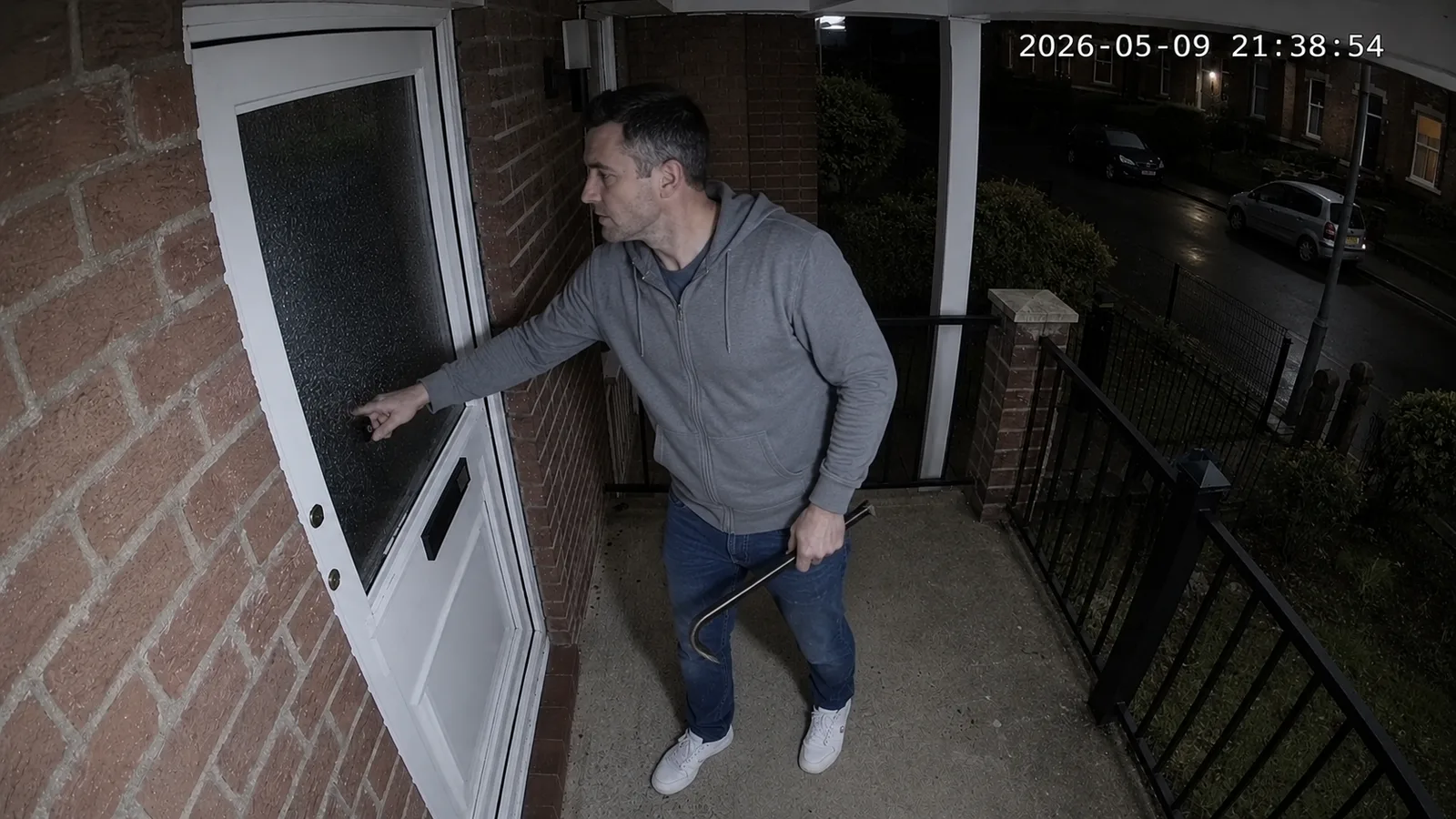
The theory rests on offence versatility. Serious offenders do not necessarily confine themselves to serious offences. Some also commit routine, visible infractions that create lawful opportunities for police attention.
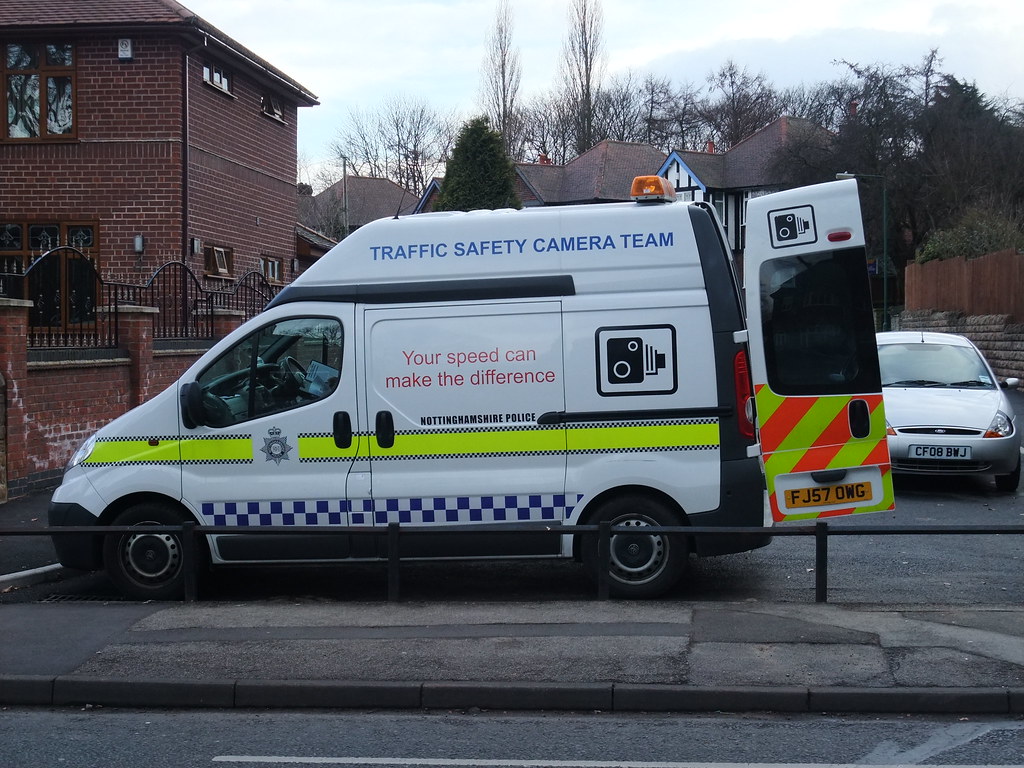
Roach’s 2007 work on failure to produce driving documents found that non-producers in the studied sample were more likely to have recorded offending histories, to have multiple previous offences and to have offended more recently than producers. Roach, HO/RT1culture, 2007.
His later study of disqualified drivers examined the same mechanism in another group and placed it within a wider literature showing that serious driving offenders can have broader criminal careers. Roach — Self-selection Policing and the Disqualified Driver.
The evidence supports a useful but narrower proposition than the slogan sometimes implies. A selected minor offence can make further enquiry more productive. It does not turn the person committing it into a presumed serious offender. The method’s evidence base — and its untested extension to police misconduct — is examined in Self-Selection Policing: Catching Serious Criminals and Bad Cops Through Minor Offences.
Practical psychology is the wider theme
Self-selection policing is one part of Roach’s broader work on how people make decisions in crime and policing.
Huddersfield lists his research interests across violent crime, investigative practice, terrorism, crime prevention and evidence-based policing. His 2023 book Practical Psychology for Policing is explicitly organised around applying psychological research to ordinary police encounters and decisions. University of Huddersfield — Practical Psychology for Policing.
That practitioner orientation is important. The best version of self-selection policing is not an academic label for officers to memorise. It is a prompt to ask whether routine operational behaviour contains information that police are currently discarding.
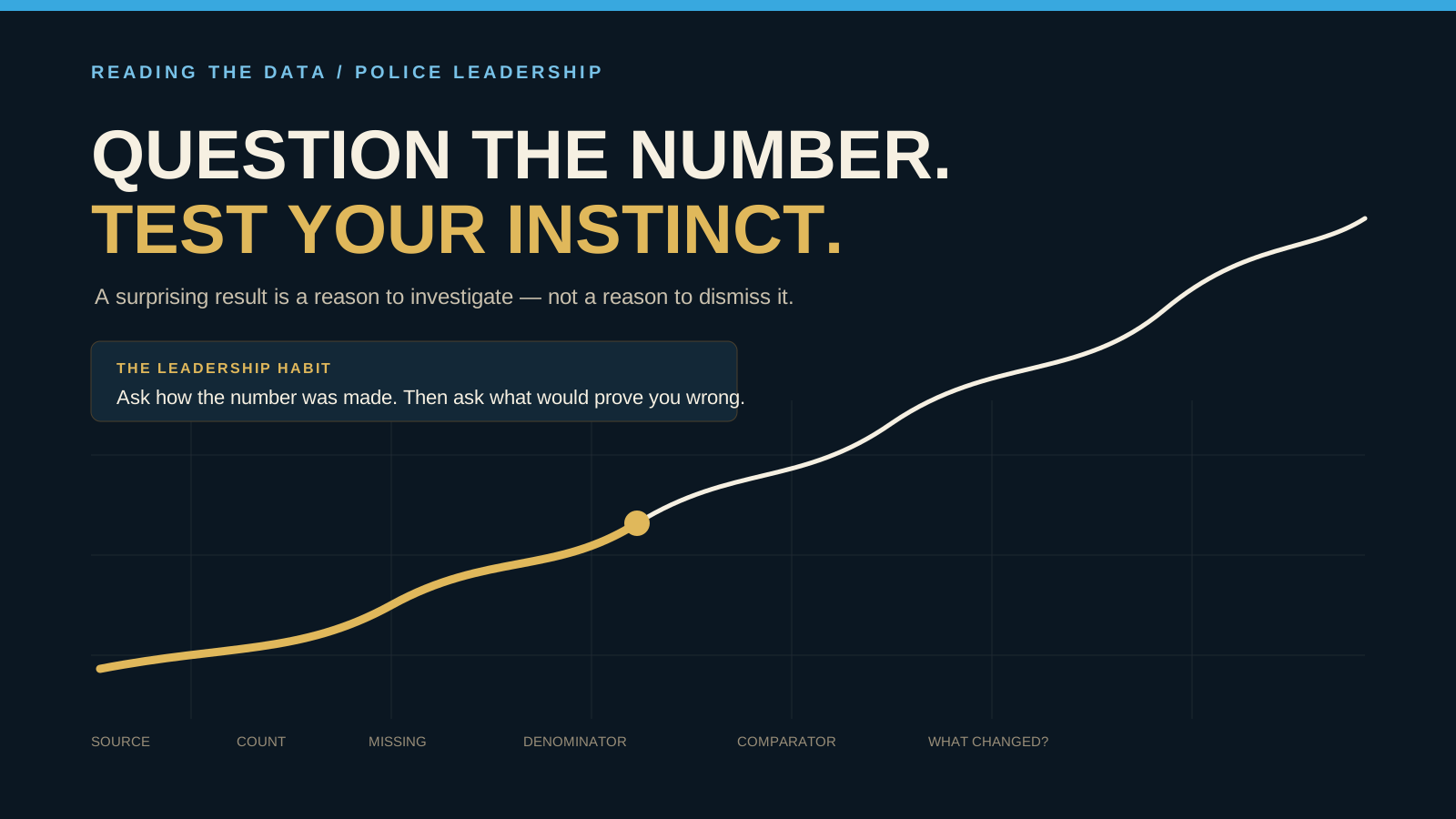
The question can then be tested rather than romanticised. Does this minor offence identify people with more serious active offending? By how much? Is the relationship still present after accounting for obvious differences in age, criminal history or frequency of police contact? How many extra checks produce nothing?
That last question is as important as the successes. A tactic should be judged by the full denominator, not the memorable arrest that followed a trivial stop.
Implementation has lagged the idea
Roach has himself returned to the argument because self-selection policing has not become routine across British policing. A later chapter, Those who do big bad things still do little bad things, explicitly restates the case and discusses barriers to wider adoption. University of Huddersfield research portal.
That gap between an interesting evidence base and routine implementation is not unusual. It is also a reason to resist solving it with a national list of “suspicious minor offences”. The point of an evidence-based trigger is that its relationship with wider offending has been examined.
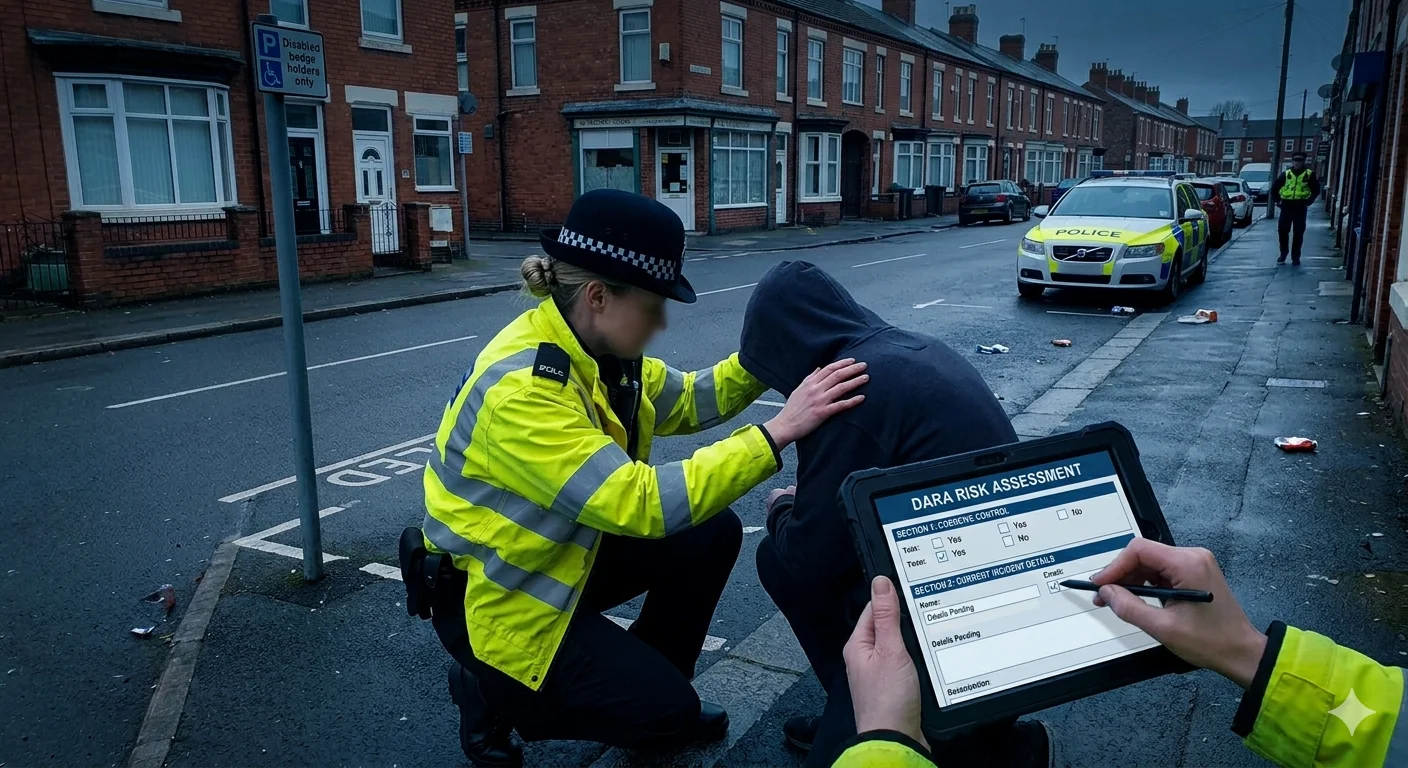
Forces could test the idea locally with modest analytical work. Pick a candidate offence. Define the additional lawful enquiry. Measure the serious offending uncovered, the officer time required, false positives and any disproportionality. Stop using the trigger if it performs poorly.
That approach is more faithful to Roach’s contribution than simply repeating the memorable phrase that people who do big bad things also do little bad things.
Why Roach belongs in an evidence-based policing series
Roach’s influence is not comparable with Sherman’s invention of the evidence-based policing label or the institutional work associated with the Society of Evidence Based Policing. It is more specific.
He has developed a practical line of research that asks police to treat small, observable behaviours as hypotheses rather than noise. The method is attractive because it can be behaviour-based, cheap to test and integrated into encounters officers are already having.
Its limits are part of the idea. A trigger should be selected on evidence. A further check should be proportionate. A minor offender remains a minor offender unless the enquiry establishes something more.
That combination — operational curiosity constrained by measurement — is a useful model for practitioner research in its own right.
Sources and further reading
Discussion questions
- 01
Which routine minor offences in your area have actually been tested as indicators of wider active offending?
- 02
Could your force measure the yield and false-positive rate of a self-selection trigger before briefing it operationally?