

Leadership & Culture
Rise of the Drones - Are we prepared?
Ukraine, Gatwick, European airport disruption and prison smuggling expose the same question: can Britain demonstrate that its counter-drone arrangements are ready?
Read article →
Thinking About Policing
Your TAP
Your reading preferences and articles saved before signing in are stored in this browser.
Signing in lets TAP store your saved articles, research and CPD against your account. Account settings include your optional profile details, email preferences and account deletion controls.
The Research Assistant sends submitted questions to research and AI services. Use public topics, without names or details of individual cases. Your CPD reflections are not sent to those AI services.
TAP records article views and uses website analytics when configured to understand how the site is used.
Ask about your data →Accessibility
Translations are generated automatically and cached after the first request. You can return to the original English page at any time.
Topic
The Protect and Prevent ends of policing terrorism — including Martyn's Law and what it asks of venues, forces and leaders.
7 articles · All topics →
Ukraine, Gatwick, European airport disruption and prison smuggling expose the same question: can Britain demonstrate that its counter-drone arrangements are ready?
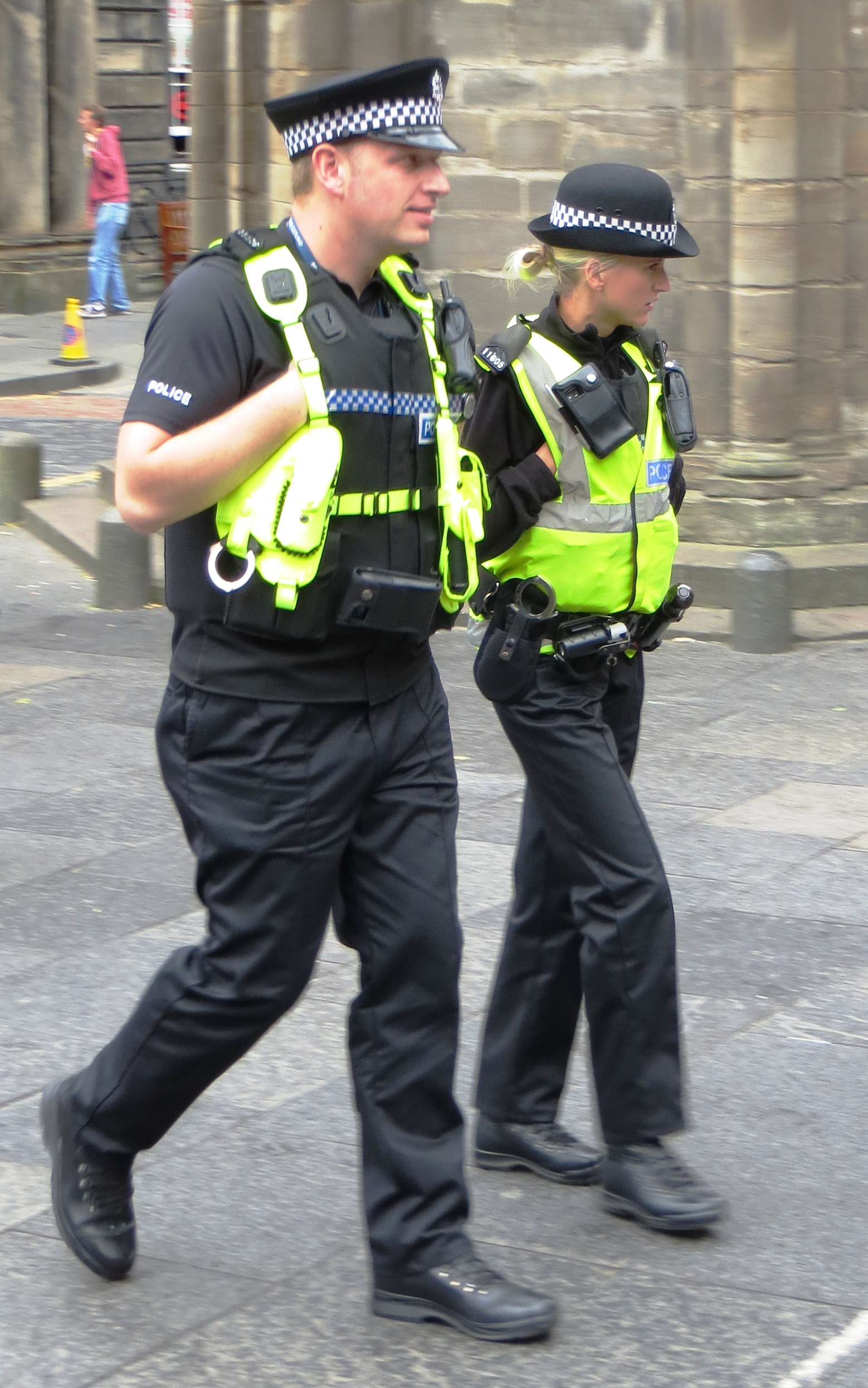
What is police reform? Explore England and Wales’s 2026 proposals, recent reports, reform leaders and lessons from Scotland and Andy Wooff’s research.

Public Space Protection Orders are being used against sexual harassment in Bradford and London. They make local enforcement possible, but evidence that they reduce harassment remains limited.

Alex Murray spent a career investigating murders and running counter-terrorism operations, then built the institution that asked British policing a harder question: does any of this actually work? A profile of the founder of the Society of Evidence-Based Policing.
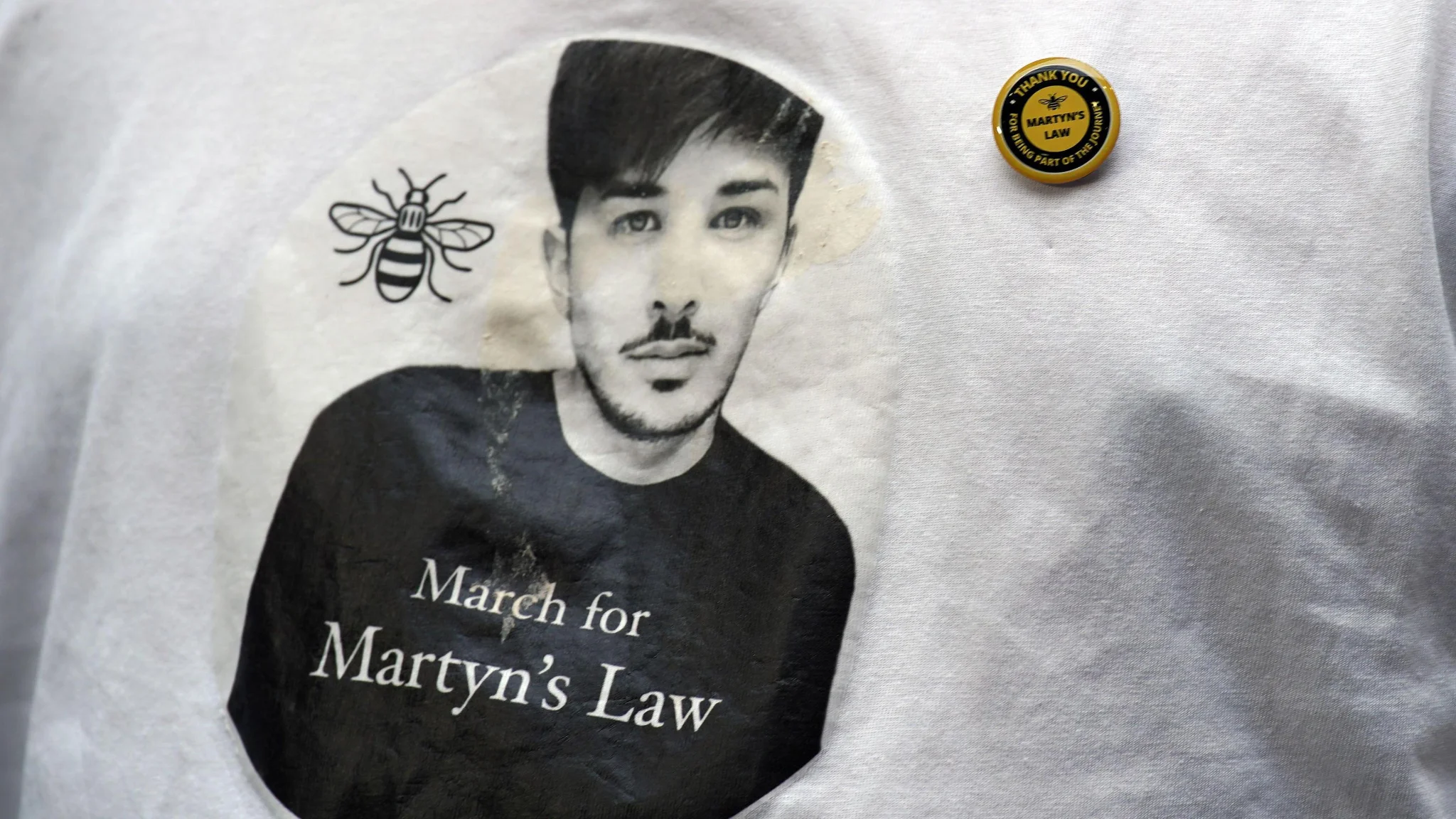
Martyn's Law is enacted but not yet in force. Here is what the 2025 Act requires, what changed in 2026, and what police and venues should do before commencement.
Professor Jason Roach helped develop self-selection policing: using selected minor offences as behaviour-based opportunities to identify wider serious offending. His wider contribution is practical psychology built for police use.

Police and courts routinely ask people whether they understand cautions, rights and conditions. A yes/no answer can hide confusion. PACE and judicial guidance require active support for understanding; teach-back is one practical way to check it.