Skip to content

Make yourself comfortable

Reading settings

Text size
Spacing
Article line length

Changes the width of article text.

Theme
Motion
Focus mode

Hides extra promotions and related content. Navigation and sources stay available.

Latest stories

20 articles

Evidence & Practice

Evidence, practice and the operational choices that shape policing — from neighbourhood work and officer wellbeing to misconduct prevention and use of force.

More from Evidence & Practice

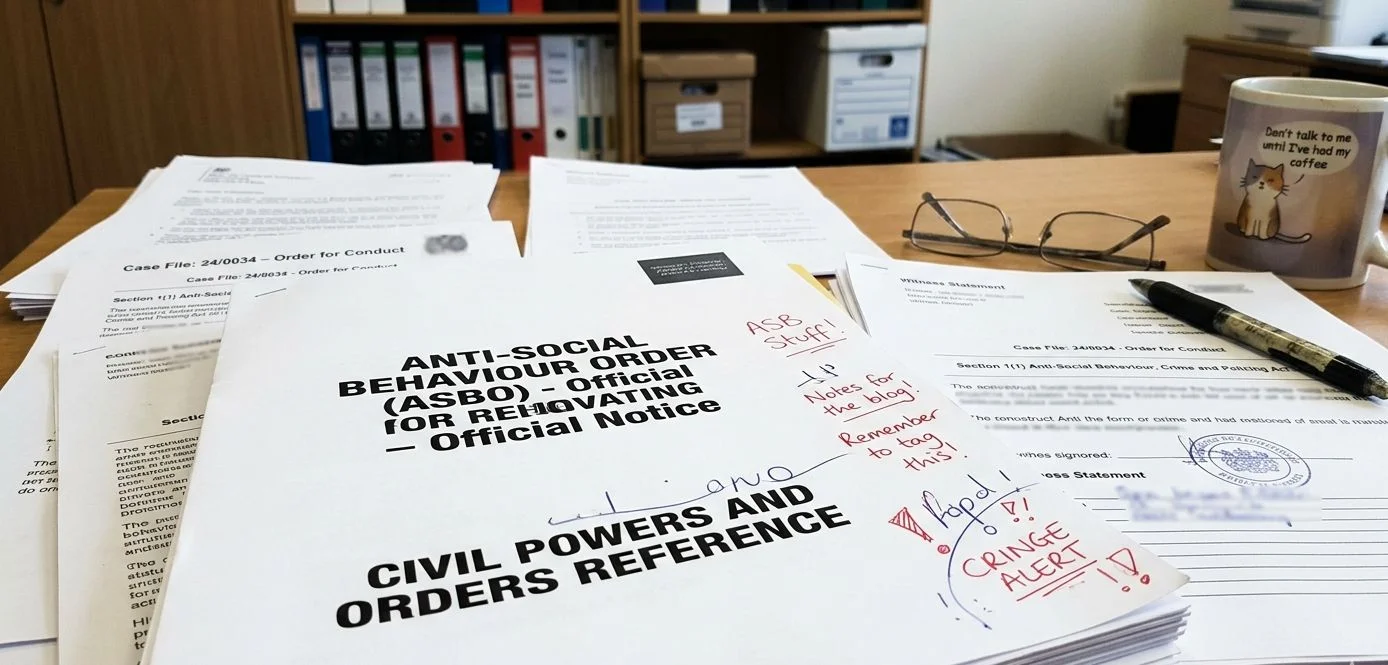
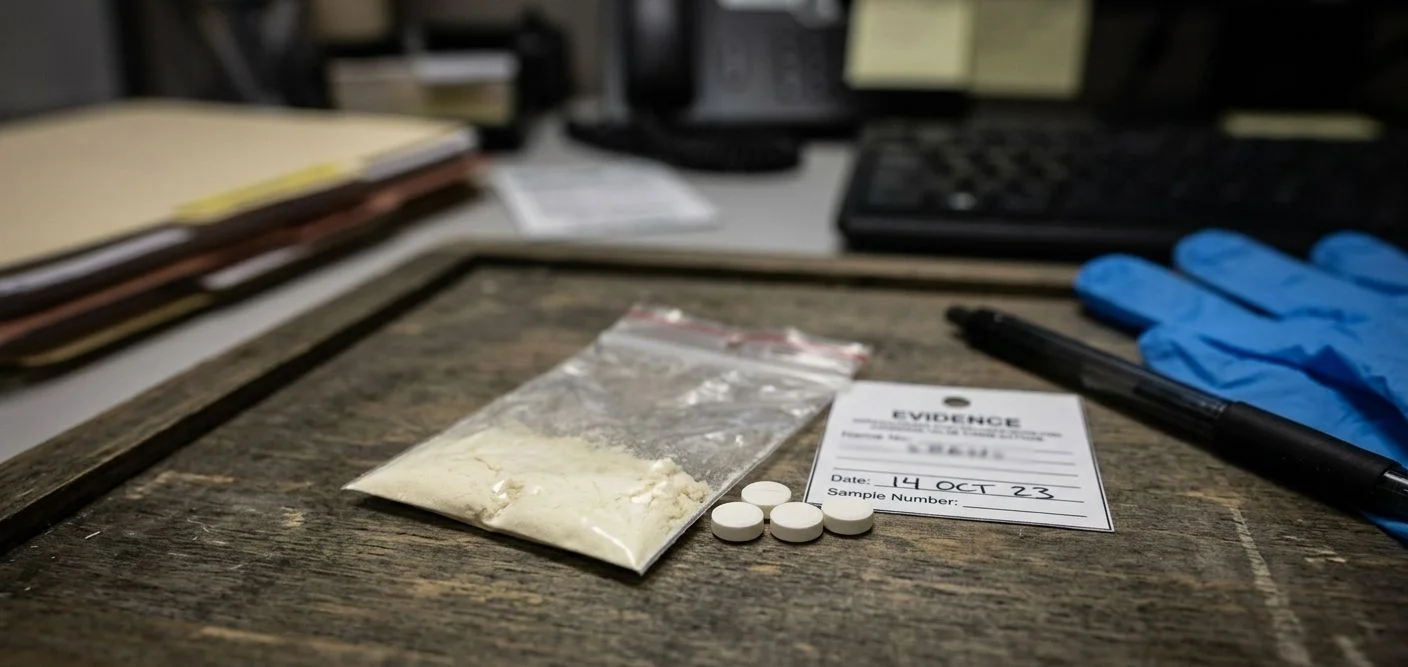
20 Jul 2026 · 8 min read Self-Selection Policing: What Minor Offences Can Reveal Self-selection policing uses minor offences as lawful triggers to look for wider criminality. The evidence supports the idea that serious offenders are often offence-versatile; applying the same logic to police misconduct is plausible, but still needs testing. 19 Jul 2026 · 19 min read Drug policy: where the evidence is strong, and where it is not Drug policy is often reduced to tougher laws versus legalising drugs. The evidence is clearer than that: treatment for heroin and other opioid dependence has strong support, while the effects of changing drug laws are harder to judge. Here is the evidence in plain English. 10 Jul 2026 · 10 min read Procedural Justice: The Police Leader’s Guide to Fair Encounters Procedural justice is one of policing's strongest routes to legitimacy: give people voice, make neutral decisions, show respect and explain trustworthy motives. The evidence supports the approach, but leaders should be precise about what it has — and has not — been shown to change. 17 Jun 2026 · 8 min read Domestic abuse risk grading: what supervisors should challenge about ‘medium’ How supervisors can test the reasoning behind a medium domestic abuse risk grade, review the safeguarding plan and recognise the limits of DARA. 17 Jun 2026 · 11 min read ASB Powers: A Frontline Guide to Notices and Orders A practical guide to Community Protection Notices, civil injunctions, Criminal Behaviour Orders and closure powers in England and Wales — including what is in force now, what the Crime and Policing Act 2026 changes, and where Respect Orders fit next. 15 Jun 2026 · 15 min read AI in policing: what leaders should check before approving a tool A practical approval checklist for police leaders: test accuracy, check data handling, assign accountability and make human oversight work. 14 Jun 2026 · 17 min read PoliceAI: What is it, why do we need it, and who runs it? In June 2026 the government launched PoliceAI, a national centre to develop and scale artificial intelligence across the 43 forces of England and Wales. This is a working guide for leaders — what the institution is, the platforms underneath it, and the questions worth asking before any of it reaches your force. Built to grow as the picture does. 6 Jun 2026 · 7 min read Neighbourhood Policing Guarantee: Confidence and Crime Need Different Measures The Neighbourhood Policing Guarantee combines named local policing, visible presence and hot-spots patrol. These can support confidence and crime reduction, but the evidence points to different mechanisms and measures for each. 5 Jun 2026 · 5 min read Nitazenes in the UK: What Police Leaders Need to Know Nitazenes are already present in the UK drug market and have been linked to close to 1,000 recorded deaths since June 2023. The 2026 evidence points to adulteration, counterfeit medicines, naloxone readiness and local early-warning systems — not a proven wholesale replacement of heroin. 7 Jan 2026 · 6 min read ‘Do You Understand?’ Is Not a Comprehension Test Police and courts routinely ask people whether they understand cautions, rights and conditions. A yes/no answer can hide confusion. PACE and judicial guidance require active support for understanding; teach-back is one practical way to check it. 21 Oct 2025 · 6 min read Police Custody Legal Advice: Why Suspects Still Say No PACE gives detainees in England and Wales a right to free independent legal advice and forbids police from dissuading them from using it. The harder question is whether the way custody presents that right helps people make an informed decision when they decline. 29 Jul 2025 · 7 min read Police Burnout and Fatigue: What Leaders Can Actually Change Police wellbeing is not only an individual resilience issue. Organisational stressors, fatigue and poor supervision are associated with worse mental wellbeing and impaired performance. The strongest leadership response is to change working conditions as well as offer support. 17 Jun 2025 · 11 min read Fuel Theft Is Rising Again. The Police Response Still Does Not Add Up An industry estimate puts fuel taken without payment at £194,000 a day. The figure needs care, but it exposes a police response that still fails to separate mistakes from repeat theft. 6 May 2025 · 7 min read Neurodiversity in Policing: The Retention Problem Leaders Can Fix UK police employees with autism and ADHD report both strengths and barriers at work, with workplace adjustments frequently requested but not made. The evidence supports better management and adjustments — not stereotypes about what neurodivergent officers can or cannot do. 25 Mar 2025 · 14 min read Seeing Is No Longer Believing: How Synthetic Evidence Could Convict an Innocent Man Every image and video in this article is fictional and AI-generated for illustration. John Smith, Margaret Doyle and Wessex Police do not exist, and no real person or event is depicted. A short case study in how cheaply CCTV can now be faked — and what an investigator has to do to keep a manipulated clip out of the file. 18 Feb 2025 · 7 min read Neighbourhood Policing Works — When Forces Protect What Makes It Work The evidence supports neighbourhood policing as a route to higher public confidence, but visibility alone is not enough. The strongest model combines targeted presence, community engagement and problem-solving — and requires forces to protect the capacity to deliver all three.
☕ Buy me a coffee → Any donations go towards API costs and time spent on the website. Thank you!