
Procedural Justice: The Police Leader’s Guide to Fair Encounters
What procedural justice means for UK policing: four principles, evidence on trust and crime, and practical ways to improve stop and search and supervision.
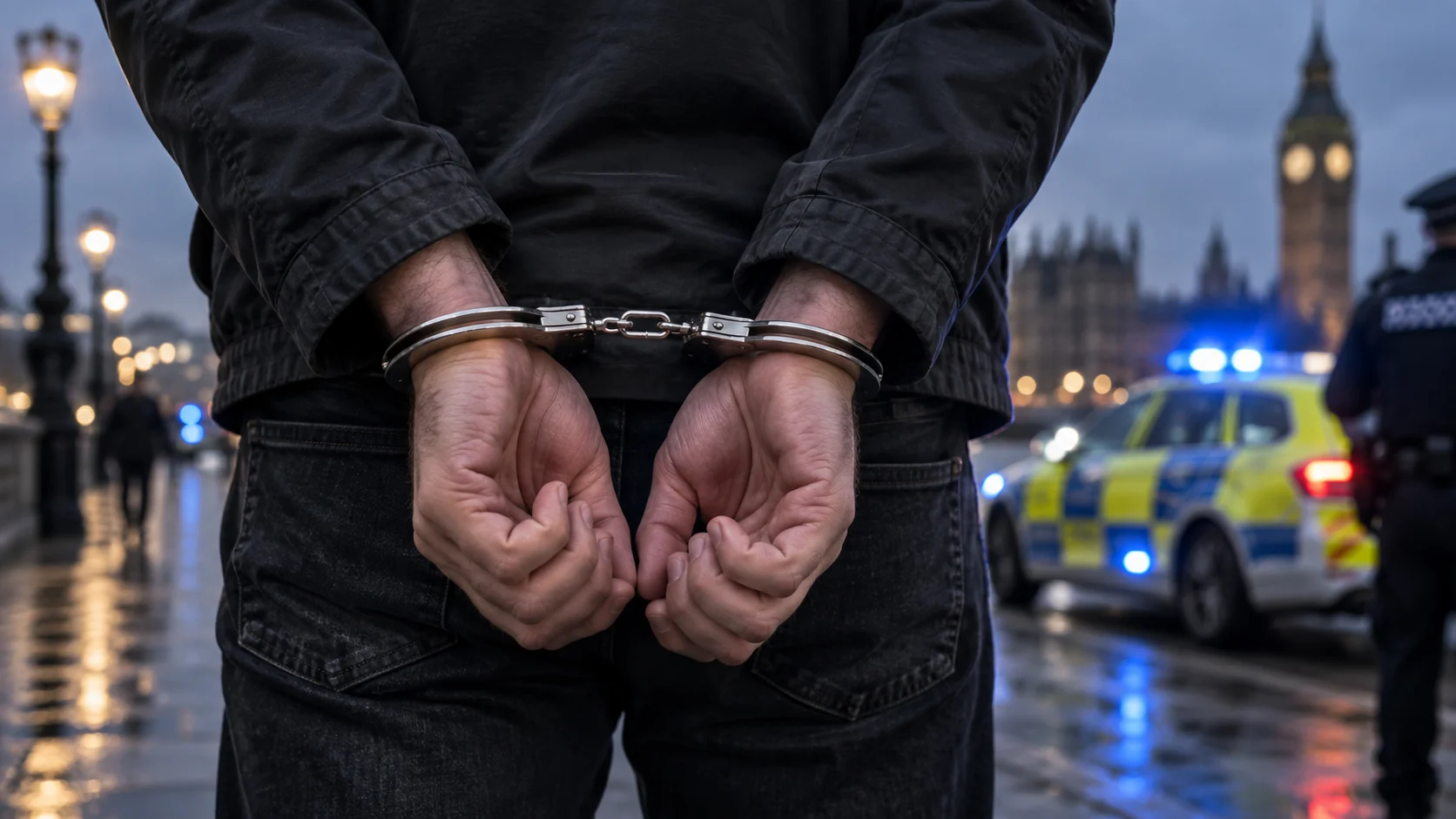
Read the articleA lawful police encounter can still leave someone feeling unheard, humiliated or singled out. Procedural justice asks officers to make fair decisions and treat people properly while exercising their powers. The evidence supports training and supervising those behaviours. It does not justify promising that a respectful encounter will always produce cooperation, public confidence or less crime.
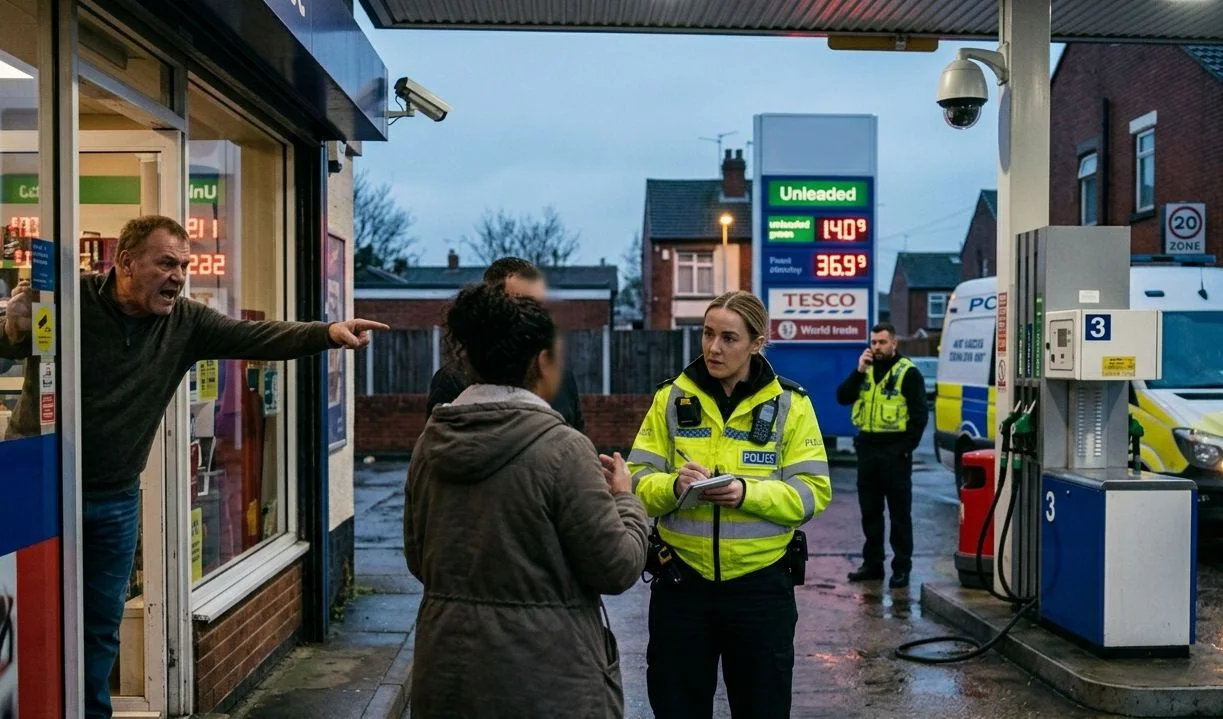
For police leaders, the practical question is whether fairness survives contact with the job: a disputed search, an angry detainee, a victim who wants a different decision. The four familiar principles give supervisors something to examine beyond whether the paperwork was completed. College of Policing, public-confidence guidance, 2025.
This guide applies the research to policing in England and Wales. International studies help test the idea; they do not change the powers available to British officers.
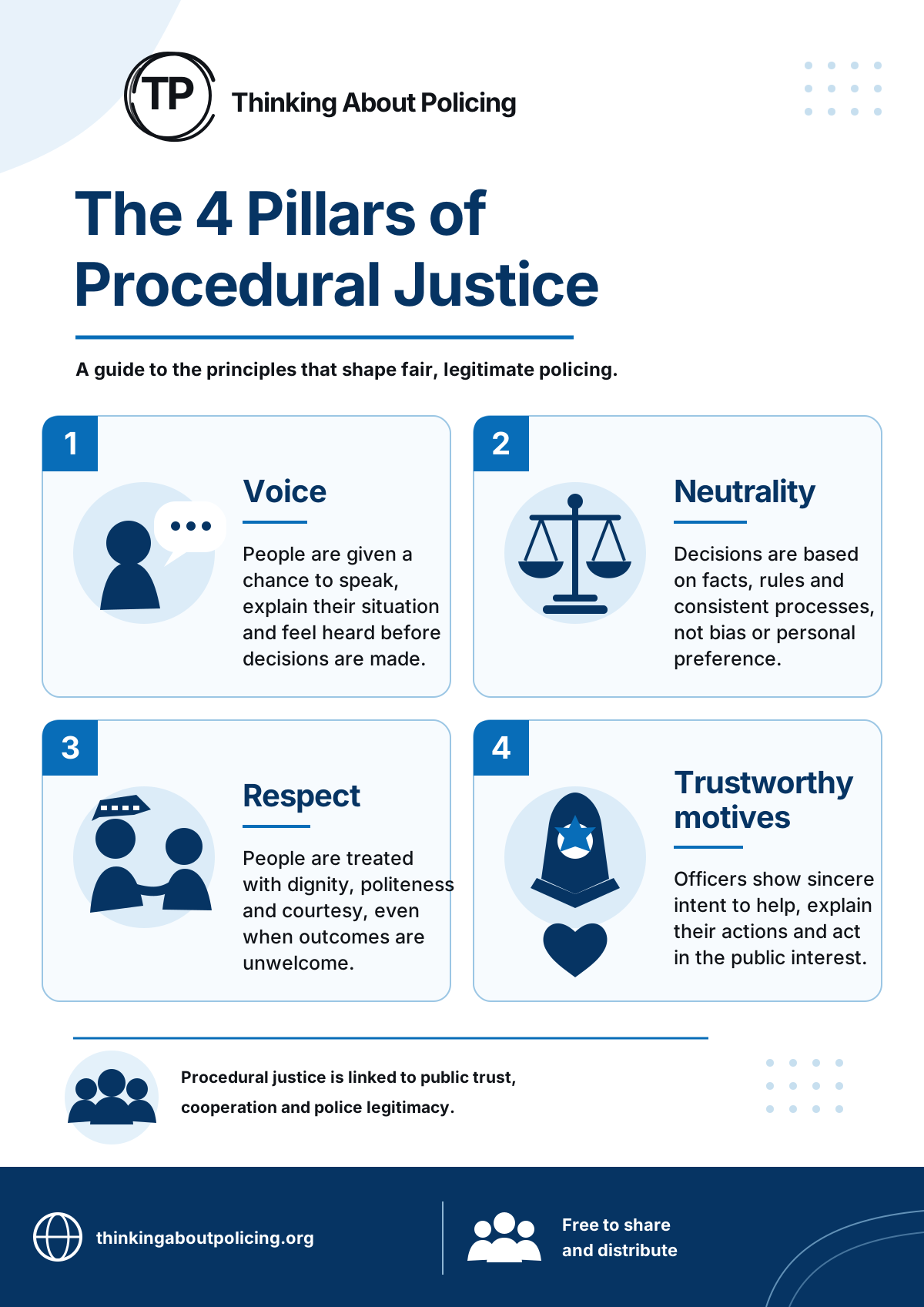
What are the four pillars of procedural justice?
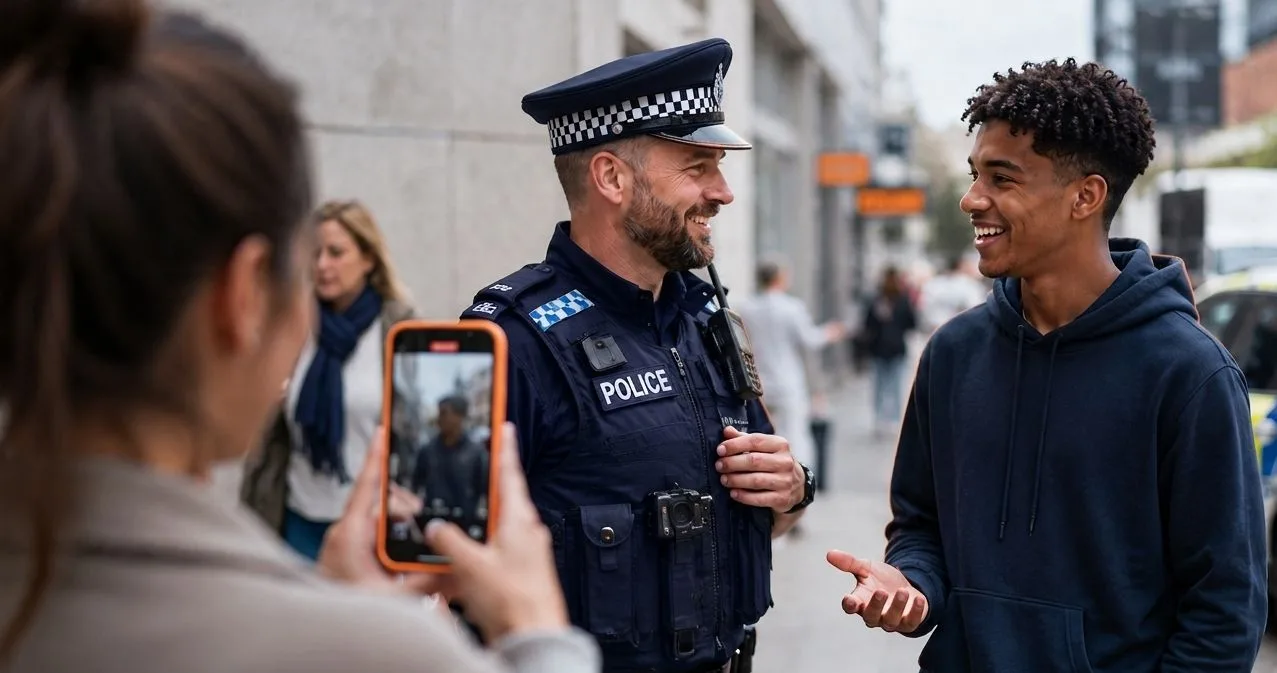
Procedural justice concerns how a decision is reached and how the person is treated. The four principles translate into observable conduct:
| Principle | What a supervisor should look for |
|---|---|
| Voice | The person has a meaningful opportunity to explain, and the officer considers what they say. |
| Neutrality | The officer explains the relevant facts and reasons, without prejudice or personal irritation deciding the outcome. |
| Dignity and respect | The officer preserves the person’s dignity, including when compelling them to do something. |
| Trustworthy motives | The officer demonstrates a legitimate policing purpose and concern for the person’s welfare. |
These are practical applications of the principles in the College’s guidance. Giving someone a voice does not give them a veto. Nor does an explanation repair an unlawful decision.
A useful distinction follows. Procedural justice concerns the process. Distributive justice concerns who receives policing’s benefits and bears its burdens. The College warns that consent is harder to secure where people feel over-policed or under-protected. Courteous treatment cannot answer every objection to repeated enforcement or an inadequate response to victimisation. College of Policing, 2025 guide, pages 15–16.
That is why encounter quality belongs alongside the wider decisions about neighbourhood policing, community priorities and problem-solving.
Fairness and legitimacy are strongly linked, but a link is not a training result
A large meta-analysis by Angus Chan, Ben Bradford and Clifford Stott combined 123 studies involving 200,966 participants. It found significant associations between procedural justice, social identity and police legitimacy. The strength of those relationships varied across contexts. Published online in December 2023 and in a 2025 journal issue, it strengthens the evidence that people’s sense of fair treatment and belonging is connected with how they judge police authority. Chan, Bradford and Stott.
The review concerns associations, not the effect of sending officers on a particular course. Its authors also identify uneven representation: English-language research and majority populations feature heavily. A force cannot assume that its average survey score describes the experiences of the communities with least trust in it.
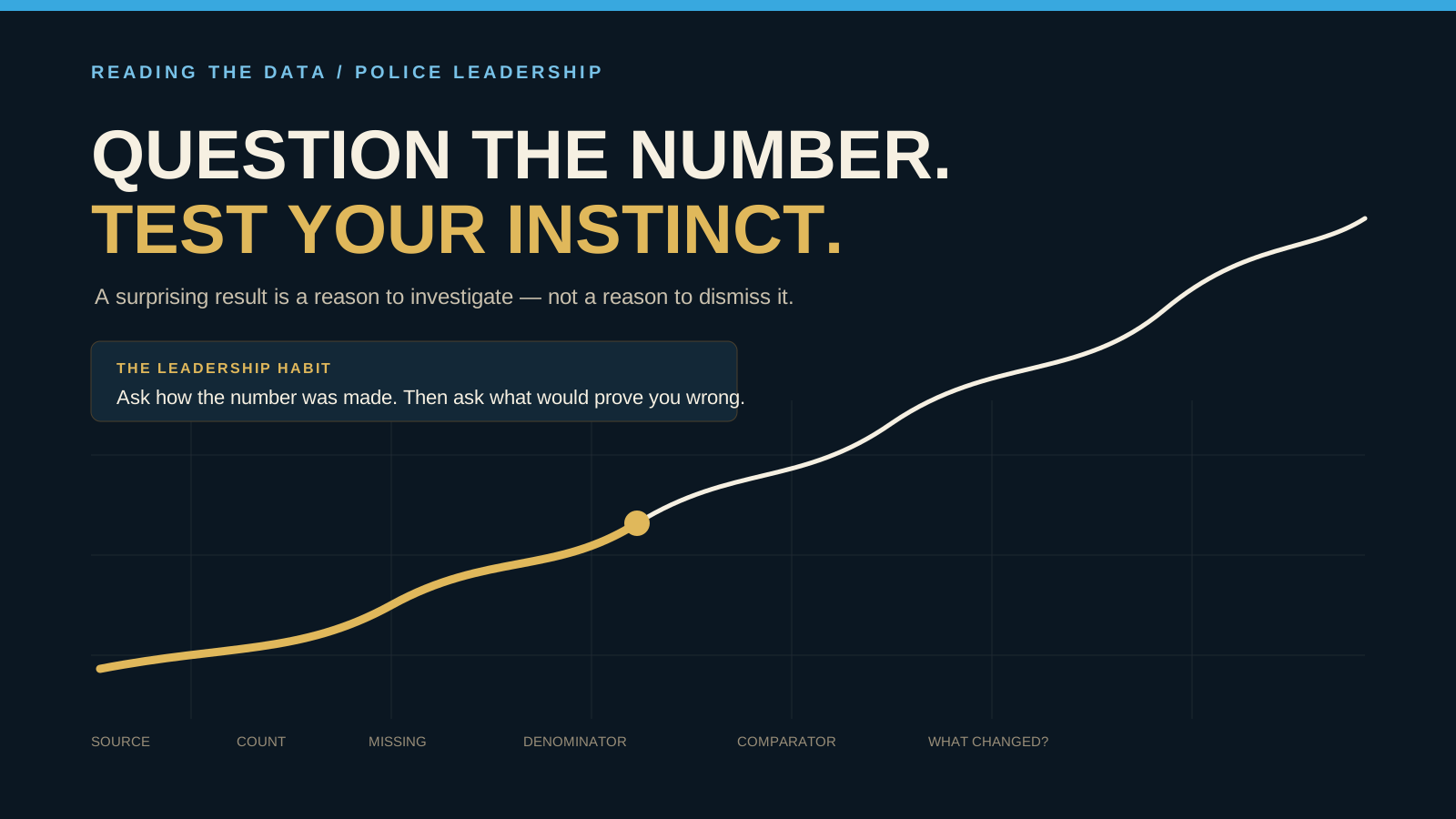
For leaders, this changes the evaluation question. Ask whether officers behave differently after training, whether the people encountering them notice, and whether any wider outcomes follow. Those are separate tests.
A major trial improved behaviour without improving measured legitimacy
Weisburd and colleagues randomly allocated 120 residential crime hot spots and 28 officers in Tucson, Cambridge in Massachusetts and Houston. The intervention included five days of training and a refresher; each city’s experiment lasted nine months. Trained officers displayed more procedural justice. Residents reported less harassment and unnecessary force. Weisburd et al., 2022.
The study also found a relative reduction in recorded crime incidents during the experiment. But there was no statistically significant improvement in measured police legitimacy, and no significant effect on citizen-initiated crime calls. Those limits belong beside the positive findings.
The trial supports intensive training in those settings. It does not establish that a short course in an English force will deliver the same results, or that greater legitimacy caused the crime reduction.
Ask whether officers behave differently after training, whether the people encountering them notice, and whether any wider outcomes follow. Those are separate tests.
The broader evidence on reducing offending through increased legitimacy also remains more limited than the evidence linking people’s perceptions of fairness and authority. That distinction is explicit in the College’s review of what stops people offending.
Officers do not need an implausible promise that every explanation will calm every encounter. They need a standard they can apply, and supervisors who can recognise when it was applied well.
New Dorset research shows why the public should help assess encounters
Greg Tansill and Justice Tankebe’s April 2026 study analysed 140 Dorset stop-and-search recordings from 2021. Police raters scored encounters in lower-crime areas more highly on neutrality, respect and trustworthy motives. In the public comparison, supervisors were more critical than community assessors, especially about voice and trustworthy motives. Tansill and Tankebe, 2026.
The limitations are instructive. This was observational research in one force. Public volunteers assessed only a subset from higher-crime areas; vetting and recruitment restrictions made the panel unrepresentative. Edited footage did not show every part of an encounter. The findings do not establish that crime levels caused poorer treatment, or that the public generally judges officers more favourably than supervisors do.
The earlier College account of the Dorset project and the 2026 paper concern the same local research, rather than two independent replications.
The practical proposal is to use both professional review and public scrutiny, then examine disagreements. A supervisor’s legal assessment and a community member’s judgement of treatment answer different questions. Neither should be silently substituted for the other.
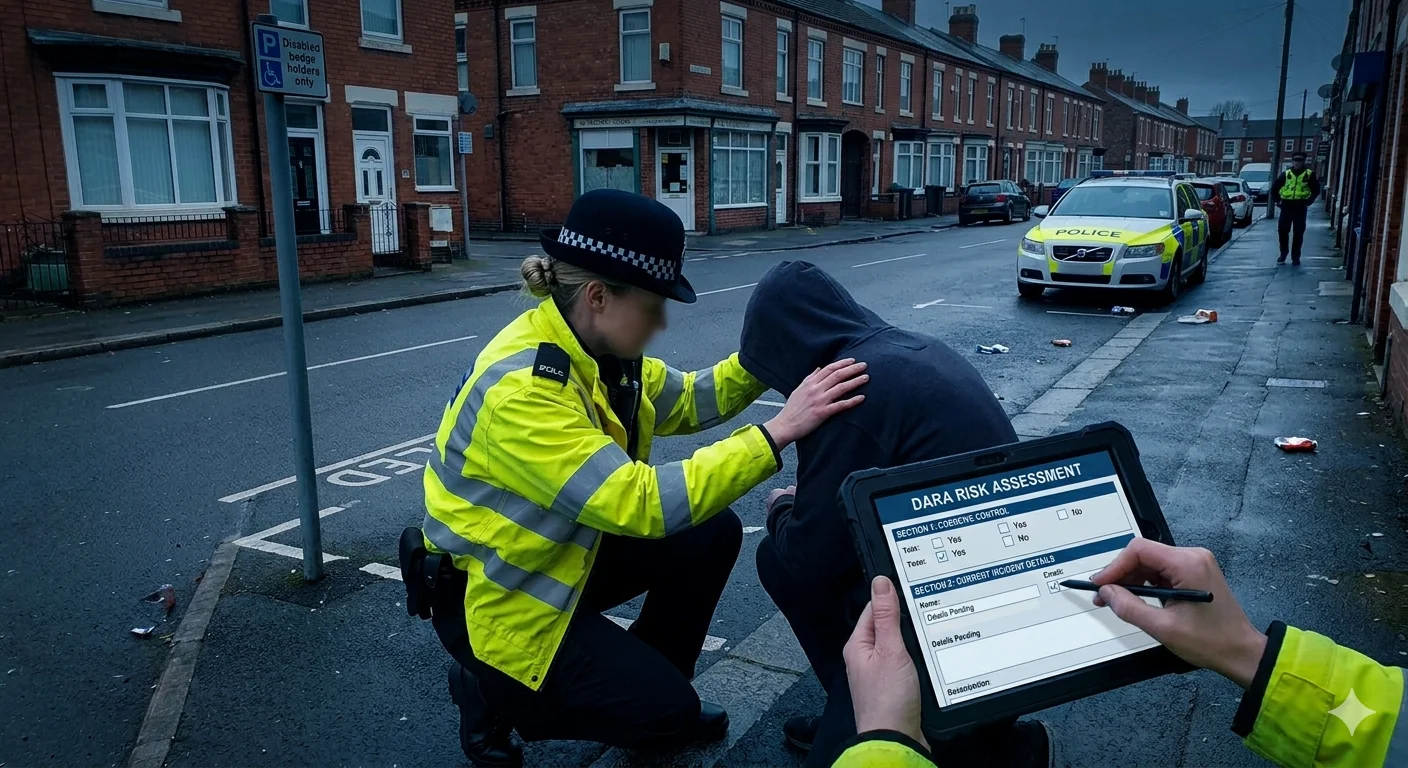
For stop and search in England and Wales, PACE Code A requires fair, responsible use, respect and an explanation of police actions. Procedural justice helps assess the quality of that encounter; it does not provide grounds for the search. This distinction also applies to self-selection policing and further enquiries after minor offences.
Internal fairness belongs in the leadership plan
Ben Bradford and Paul Quinton’s survey of officers in an English constabulary linked perceived fairness from senior management with organisational identification and officers’ confidence in their own legitimate authority. That confidence was associated with support for democratic policing. It was a survey, so it cannot establish that changing a promotion process causes better street encounters. Bradford and Quinton, 2014.
It does make an organisational inconsistency difficult to defend. A force teaches constables to listen and explain, then leaves them unable to understand why they were moved, overlooked or disciplined. Leaders should apply the same standards to decisions about their own staff: explain the criteria, consider relevant representations and give reasons that can withstand scrutiny.
That is an evidence-informed leadership proposal, with a clear practical test. Ask staff whether those things happened. The wider problem of turning research into everyday leadership is explored in how evidence-based policing should grow.
Supervise what officers do, and ask how it was experienced
A force’s implementation plan should name an owner for training and an owner for evaluation. The College supports operationally grounded training and recognises that checklists or scripts work only in suitable circumstances. College of Policing, 2025.
A practical local test would combine realistic scenarios with feedback on a sample of subsequent encounters. Reviewers should record which behaviours occurred, the circumstances that constrained them, and whether officers explained their decisions. Invite feedback from those who experienced the encounters, including people dissatisfied with the outcome. Publish the response rate and who is missing, rather than treating respondents as the whole public.
Keep the measures separate: observed behaviour, people’s reported experience, complaints, use of force and broader confidence. Check whether effects last and whether they differ by community or encounter type. Fewer complaints alone cannot establish fairer policing; an absence of improvement in a broad confidence score need not mean that behaviour stayed the same.
The decision for leaders is concrete. Give supervisors the time and competence to examine how authority is used, and act on what that review finds. A completed course is an input. Fair treatment has to be visible in the encounter.
Updated 7 October 2026: added the 2026 Dorset study and the large legitimacy meta-analysis; clarified the outcomes the US training trial did and did not change. This is a targeted evidence review, not an exhaustive systematic review.
Sources and further reading
- College of Policing — public-confidence evidence guide, 2025
- Chan, Bradford and Stott — meta-analysis of procedural justice and legitimacy, 2025 issue; online 2023
- Weisburd et al. — randomised procedural-justice trial, 2022 (accessible full-text PDF hosted by the authors’ research laboratory)
- Tansill and Tankebe — Dorset stop-and-search study, 2026; open full text
- Bradford and Quinton — internal fairness and self-legitimacy, 2014
- Home Office — PACE Code A, December 2023
Photograph credits
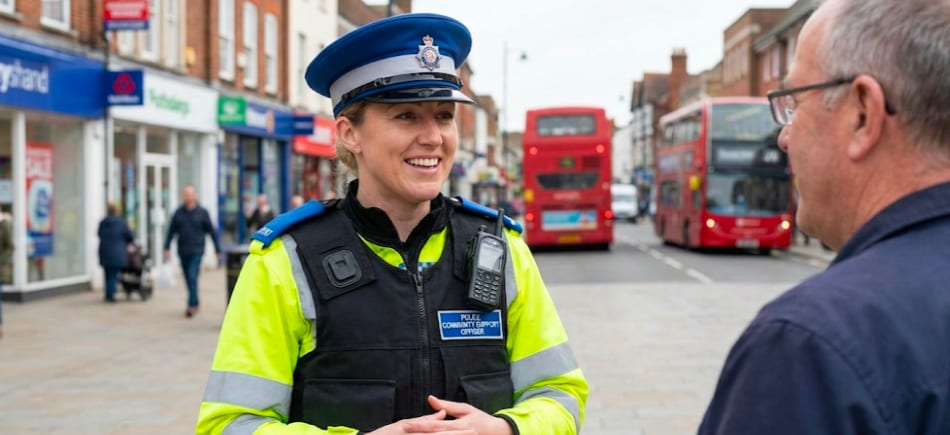
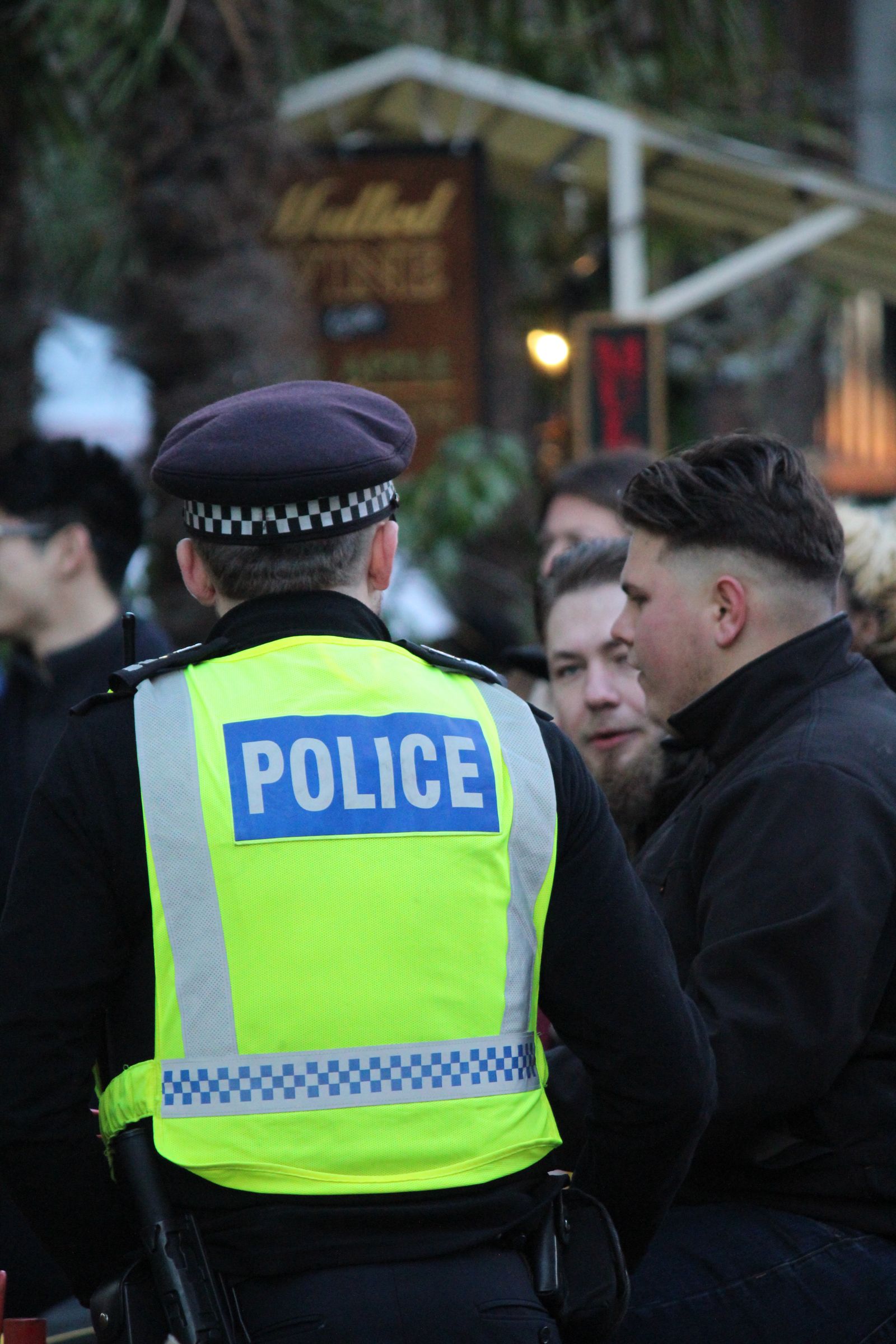
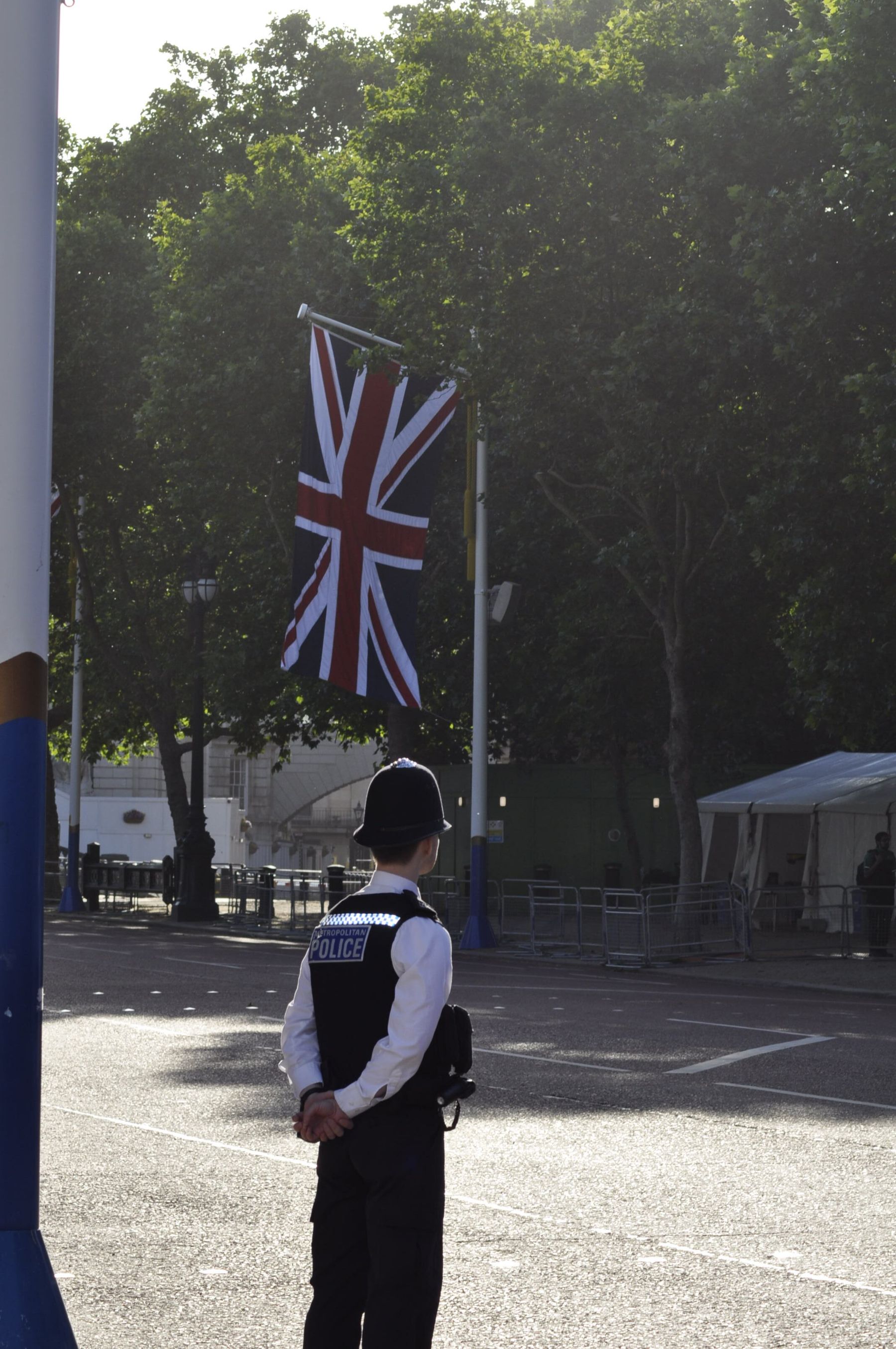
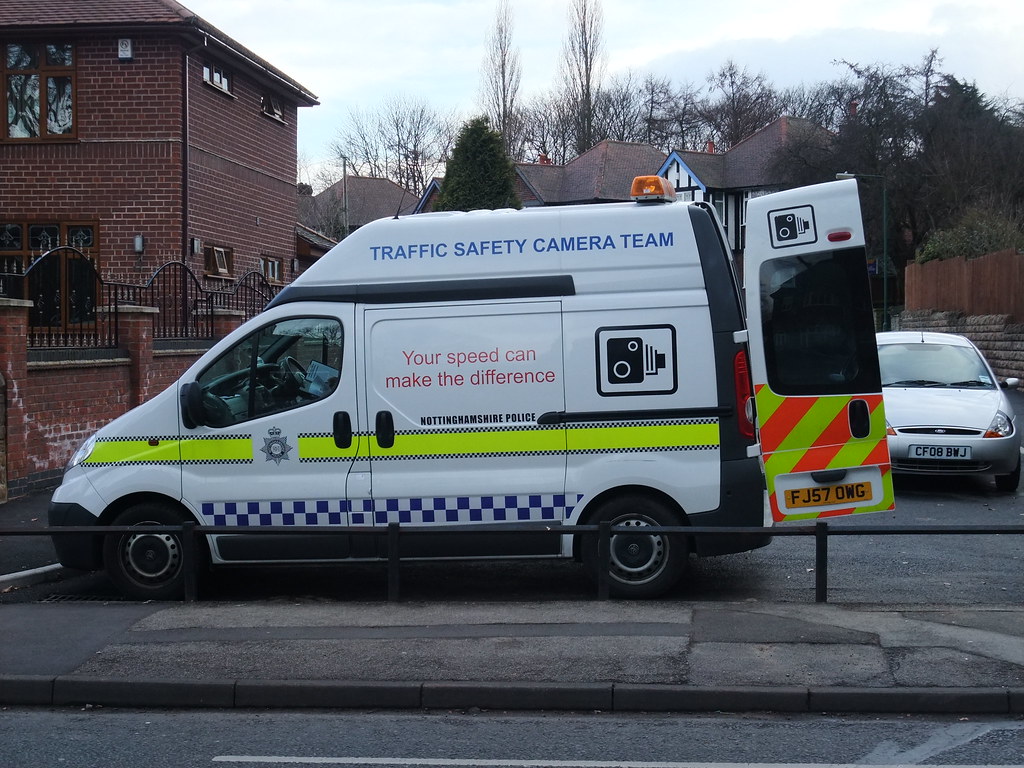
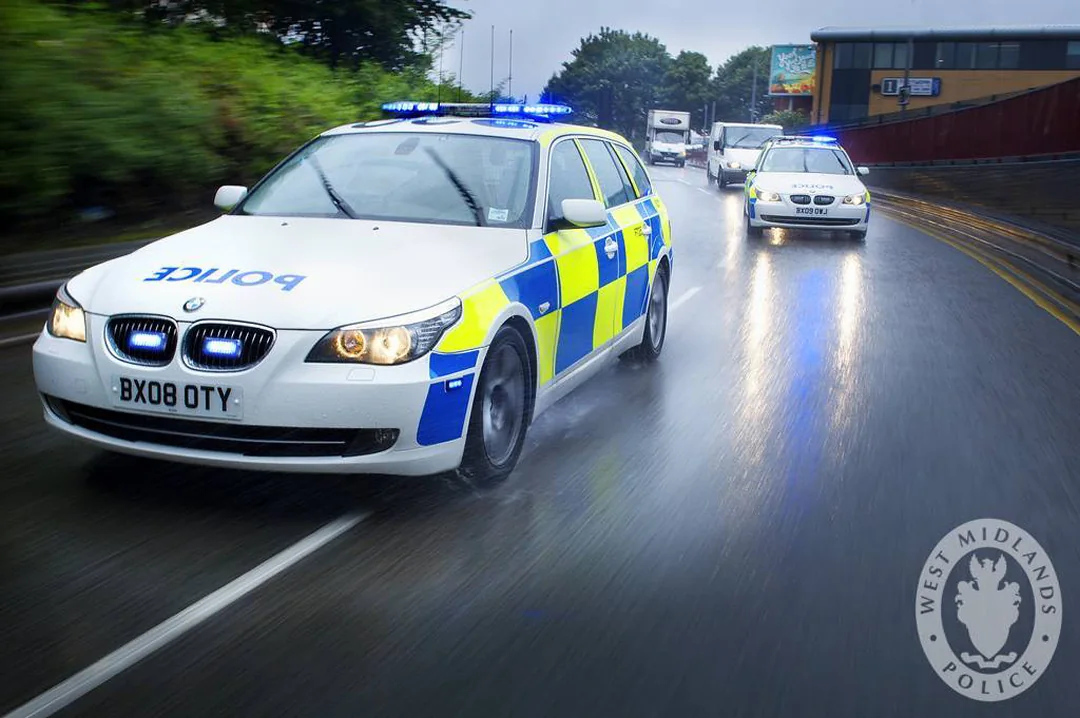
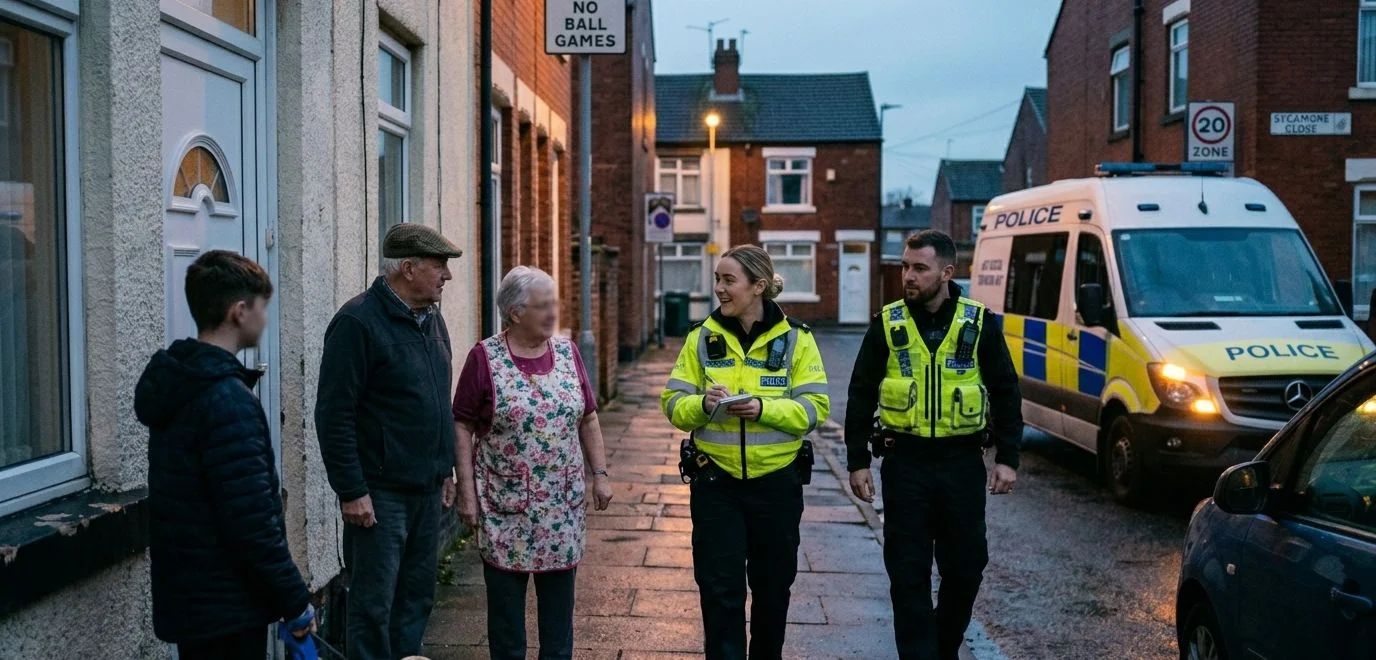
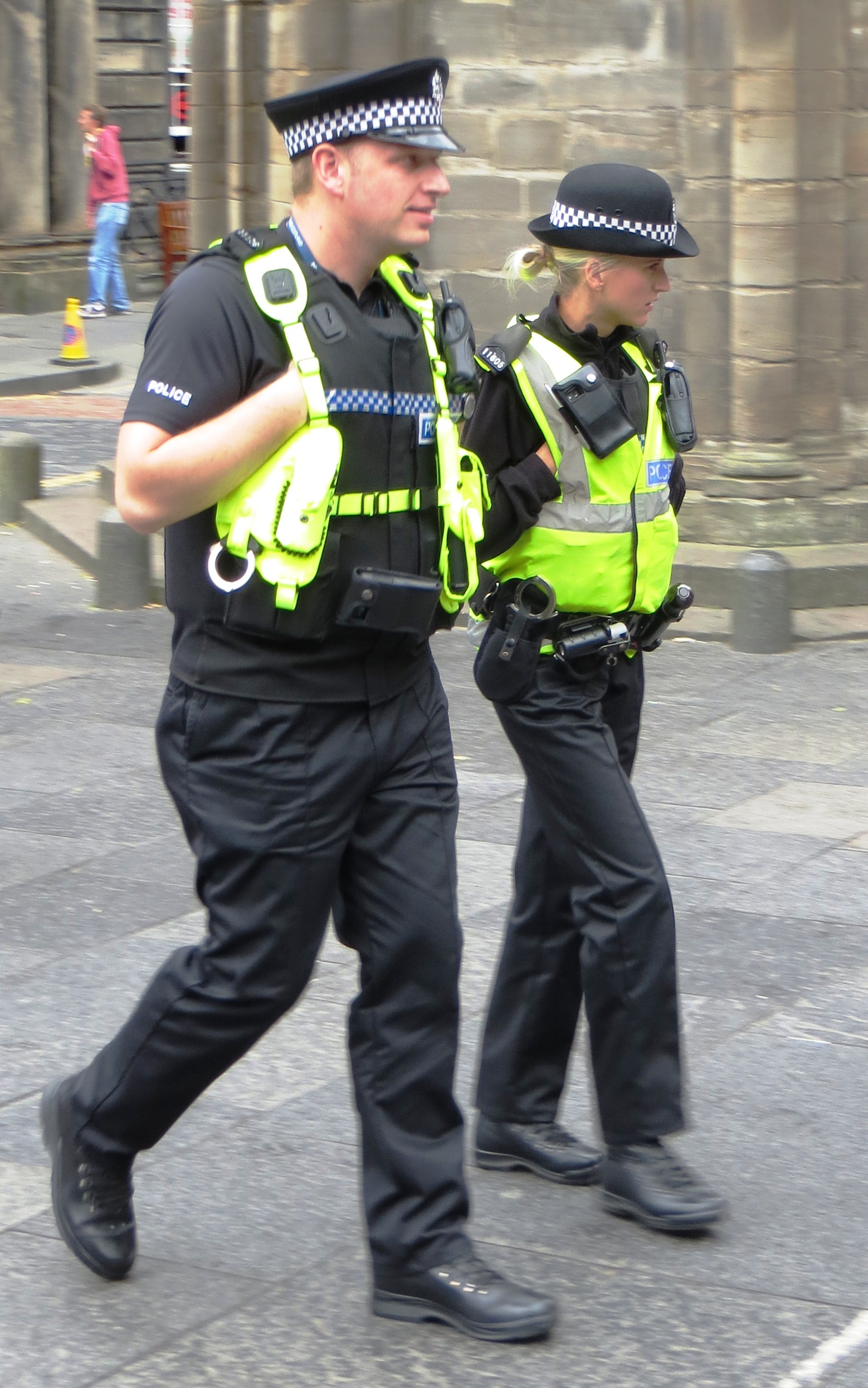
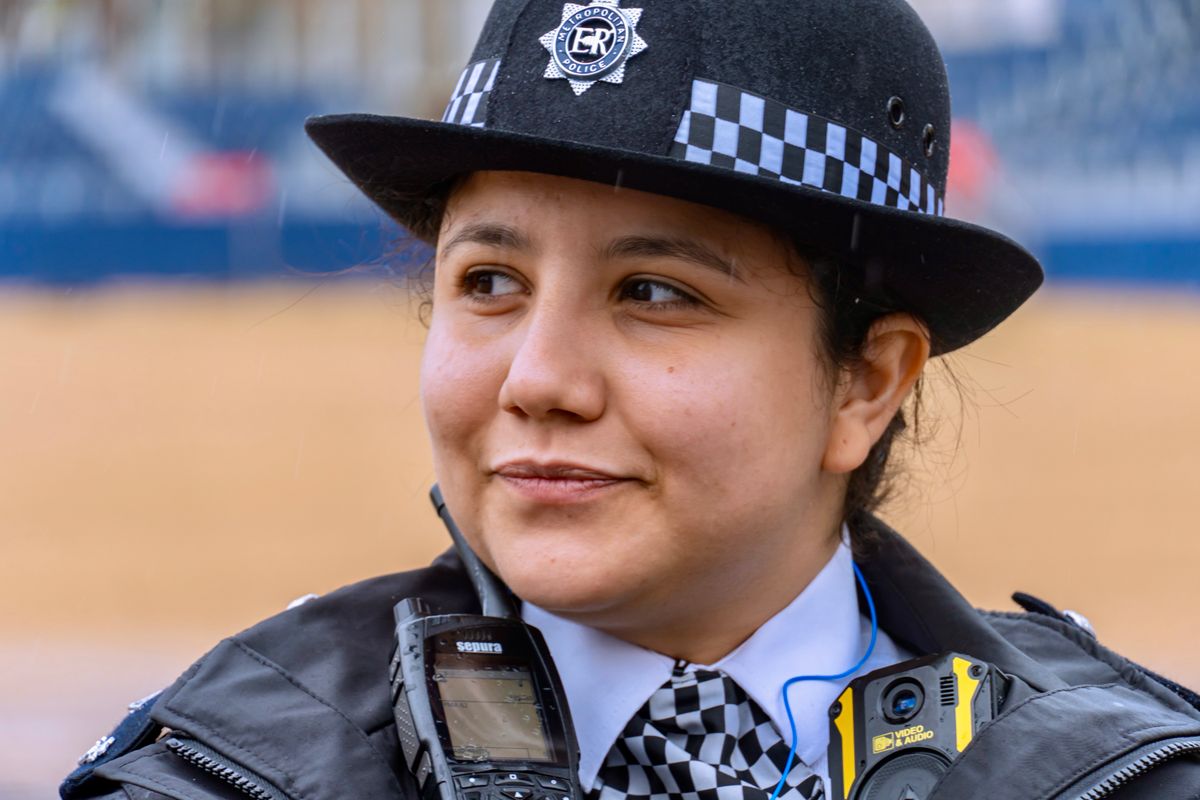
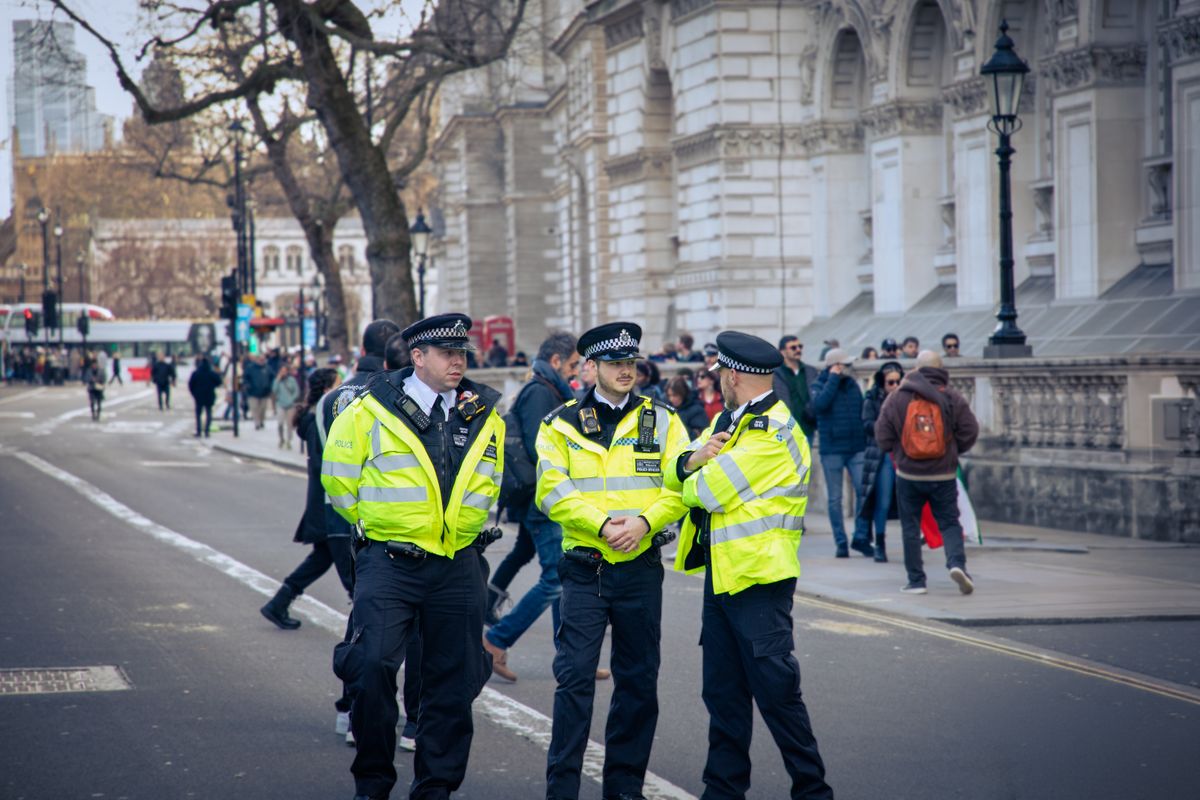
Opening photograph: Metropolitan Police officers in London, by Bob Jenkin, under the Pexels licence. Resized and converted to WebP. Other photograph credits appear with each image. The photographs provide policing context; the officers shown are not identified as participants in the studies discussed.
Discussion questions
- 01
Which of voice, neutrality, respect and trustworthy motives is weakest in the encounters your force currently audits?
- 02
Do supervisors assess the quality of police-public encounters, or mainly their legality and outcome?
- 03
Would officers describe internal promotion, discipline and performance decisions as procedurally just?