Jerry Ratcliffe and the Case for Intelligence-Led Policing
In brief
Former Metropolitan Police officer Jerry Ratcliffe helped turn intelligence-led policing into a practical model: interpret the criminal environment, influence decisions and test whether targeted action changes harm.


Jerry Ratcliffe’s case for intelligence-led policing is less about collecting more intelligence than about forcing intelligence to change a decision.
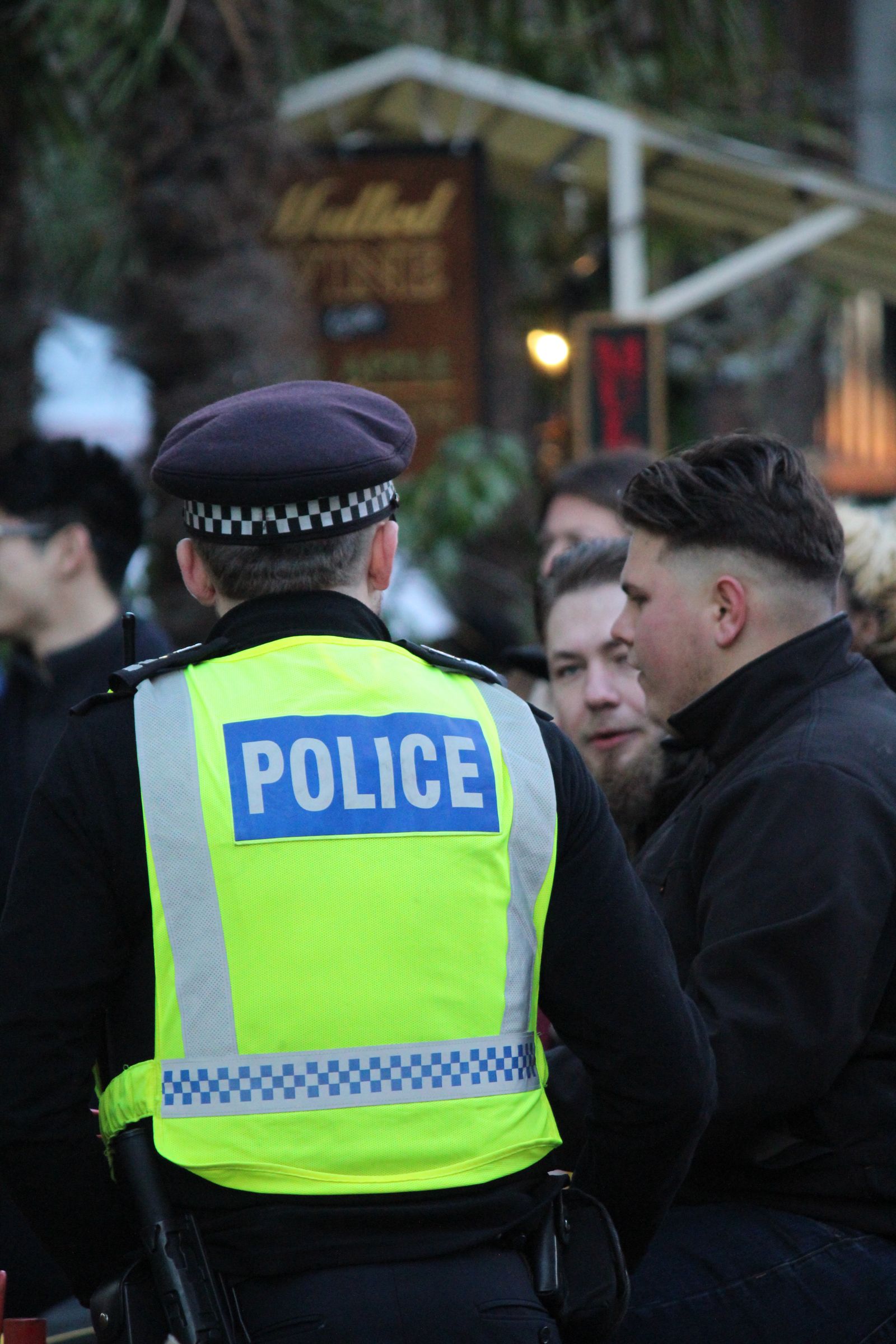
Ratcliffe is a former Metropolitan Police officer who is now Professor of Criminal Justice at Temple University in Philadelphia. Temple records a decade-long police career ended by an ice-climbing accident, followed by academic work in policing, evaluation, criminal intelligence and spatial analysis. Temple University profile.
His practical contribution is a way of thinking about scarce police resources. Crime and harm concentrate. Analysis should identify those concentrations, influence the people who control resources and then test whether the resulting intervention changed the problem.
That sounds obvious. In a large organisation it often is not.
Intelligence is only useful if it changes a decision
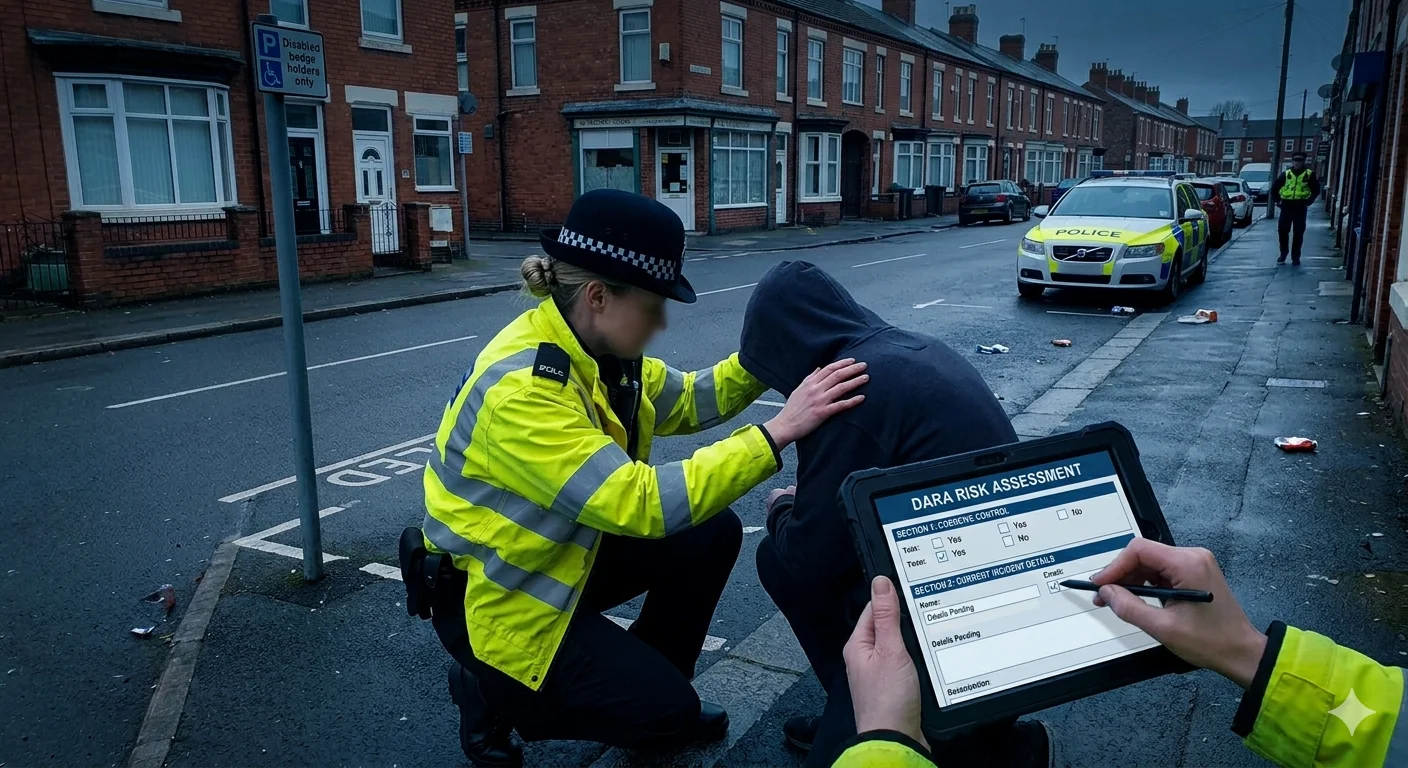
Ratcliffe’s 3-i model describes an intelligence-led cycle in three verbs: analysts interpret the criminal environment, use that analysis to influence decision-makers, and those decision-makers impact the environment through operational action.
The model is useful because it exposes organisational failure points. An analyst can produce an accurate assessment that influences nobody. A tasking meeting can deploy officers without any analytical rationale. A tactic can run for months without evaluation, leaving the organisation unable to say whether the final “impact” occurred.
In each case, the force has intelligence activity without an intelligence-led system.
Ratcliffe’s 2016 second edition of Intelligence-Led Policing develops this model alongside crime analysis, harm and strategic decision-making. Routledge — Intelligence-Led Policing.
Philadelphia showed what targeted deployment can do
Ratcliffe also helped test concentrated patrol experimentally.
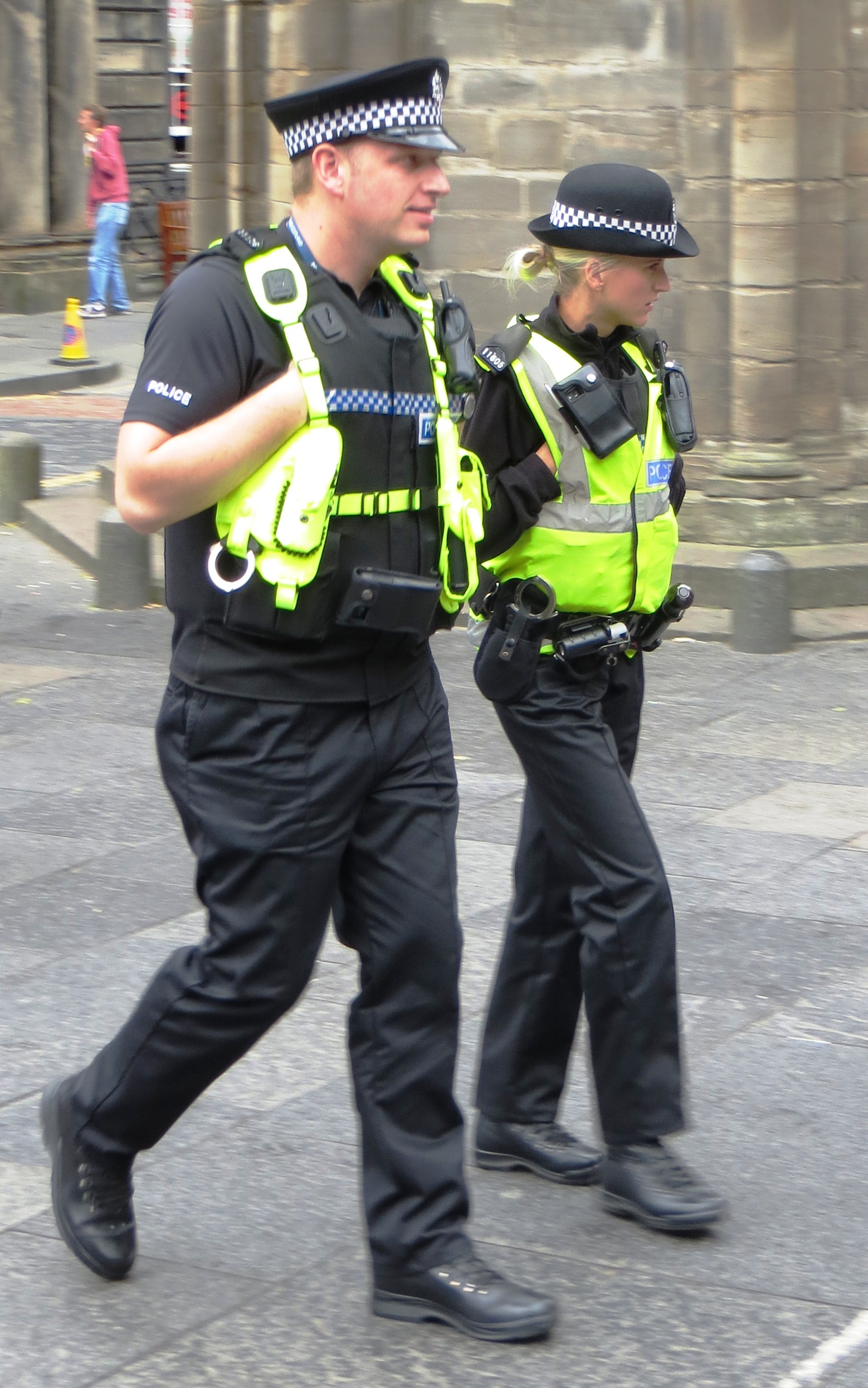
The Philadelphia Foot Patrol Experiment identified violent-crime hot spots and created 120 candidate patrol areas. Sixty received additional foot patrol and sixty served as comparison areas. More than 200 officers took part during summer 2009. Temple’s account reports that violent crime was 23% lower in treatment areas relative to comparison areas over the intervention period. Temple University — Philadelphia Foot Patrol Experiment.
The result matters because earlier foot-patrol research had often found reassurance benefits without a clear crime-reduction effect. Philadelphia tested a more concentrated version: officers in violent-crime micro-places rather than general foot patrol spread across a district.
It does not establish that every foot patrol reduces violence by 23%. The intervention was intensive, geographically targeted and delivered in a particular city. The wider lesson is about concentration and testability.
Intelligence-led policing is not predictive policing
Ratcliffe’s work is sometimes grouped with predictive policing because both use data to decide where police attention goes. They are not the same thing.
Intelligence-led policing is broader. It can use crime patterns, offender networks, harm analysis, qualitative intelligence, place data and professional judgement. A predictive model is one possible analytical input.
Temple lists Ratcliffe’s work on the Philadelphia Predictive Policing Experiment alongside his broader research. That work compared different deployment strategies in areas identified as high risk by forecasting software. Temple University research.
The important question is not whether the technology sounds sophisticated. It is whether the analysis improves resource allocation and whether the resulting deployment improves outcomes without unacceptable costs or bias.
That standard is consistent with the 3-i model. A forecast that changes no useful decision is trivia. A forecast that repeatedly sends police back to the same communities without evaluating outcomes or feedback effects is not a completed intelligence cycle either.
The model gives leaders a diagnostic tool
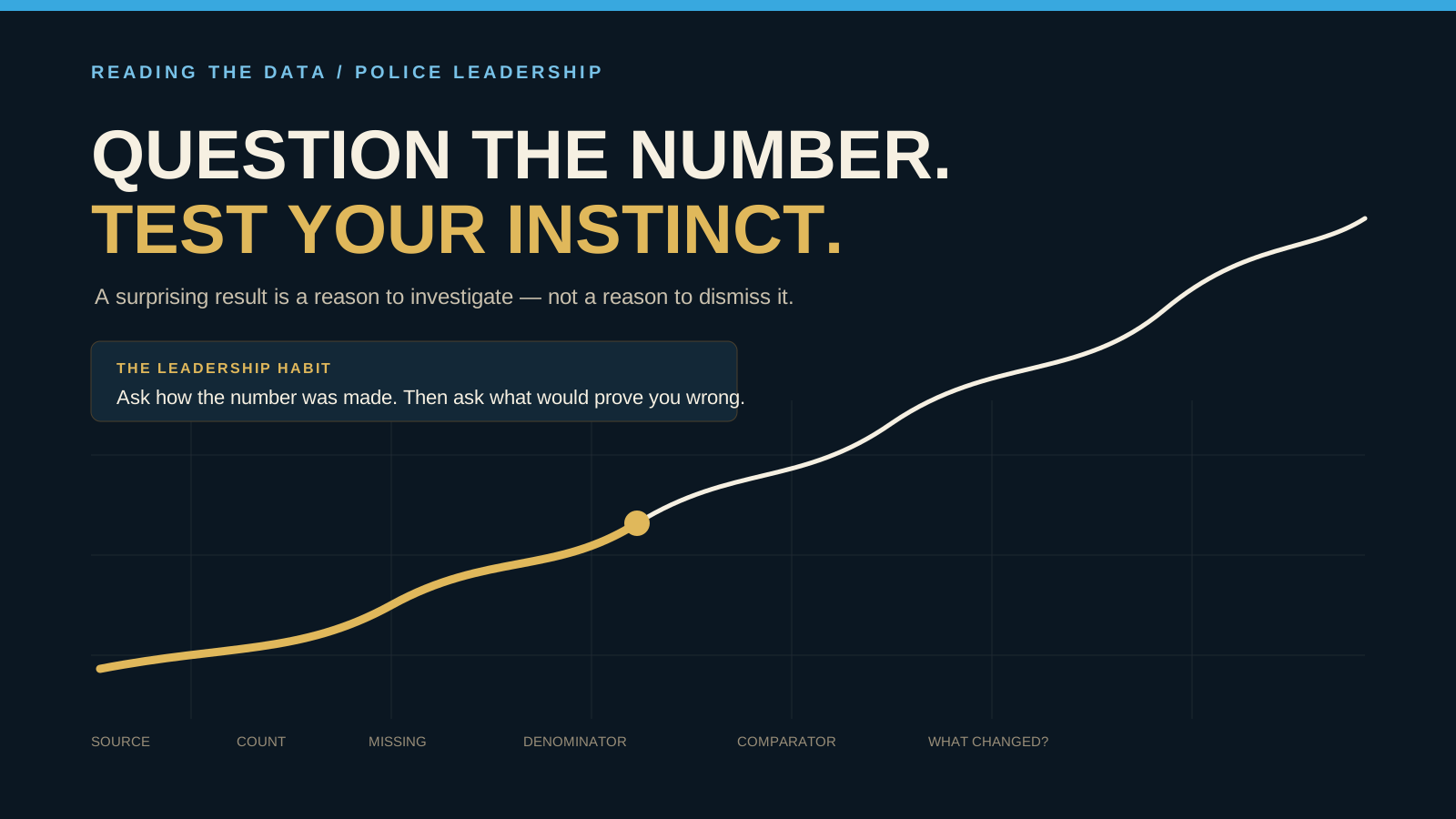
For a senior officer, the value of Ratcliffe’s work is less in adopting another branded policing model than in auditing where information stops becoming action.
A force can ask:
- Which analytical products are tied to a specific operational decision?
- Which recurring deployments can trace their rationale back to analysis?
- Which interventions are evaluated after implementation?
- What happens when evaluation shows no effect?
- Are resources concentrated according to harm, or merely according to volume and habit?
Those questions reveal whether intelligence is functioning as a decision system or a reporting system.
His influence is practical rather than proprietary
Ratcliffe did not invent crime concentration, hot-spots policing or experimental policing. Those literatures involve many researchers, including Lawrence Sherman and David Weisburd.
His distinct contribution is to make the connection between analysis, command decisions and operational effect unusually explicit and usable. His books and the Reducing Crime podcast extend the same approach: translate research into choices that police leaders can make and test.
That is why intelligence-led policing remains relevant even as software changes. The model does not depend on a particular database or algorithm. It depends on a more demanding organisational habit: know why resources are going where they are going, and find out whether it worked.
Sources and further reading
Discussion questions
- 01
Where does your force's intelligence-to-action chain most often break: interpretation, influence or operational follow-through?
- 02
How often are tasking decisions evaluated against the harm they were intended to reduce?