Alex Murray and the Society That Asked Policing to Prove What Works
Alex Murray spent a career investigating murders and running counter-terrorism operations, then built the institution that asked British policing a harder question: does any of this actually work? A profile of the founder of the Society of Evidence-Based Policing.

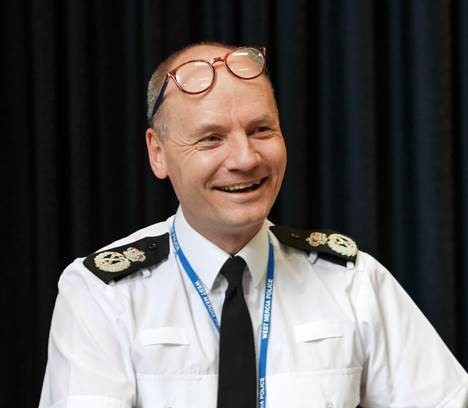
By the early 2010s, policing had a growing research base but still weak practitioner infrastructure for turning evidence into routine operational decisions. Experimental policing research long pre-dated Alex Murray, and forces were already working with academics. Murray’s contribution was different: helping build a practitioner-led institution through which officers and staff could use, produce and communicate evidence rather than leaving that work mainly to universities and specialist research units.
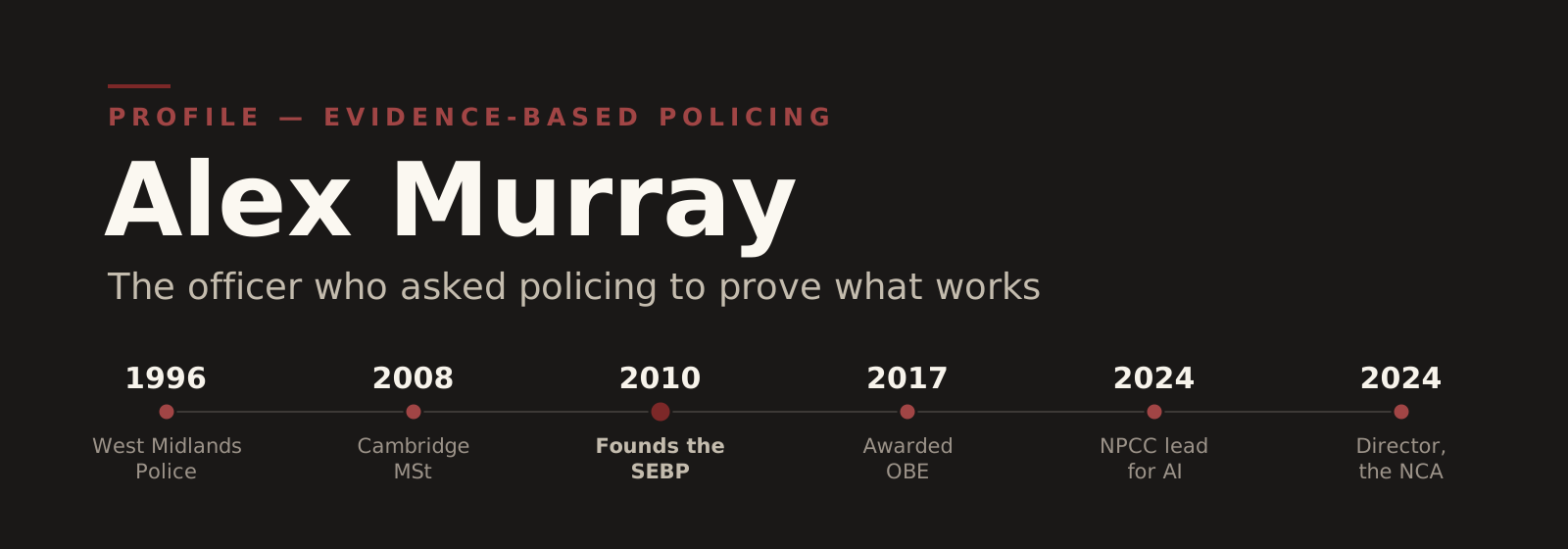
That institution is the Society of Evidence-Based Policing. Its start date needs a little precision. The original charity’s constitution was adopted in November 2010, and Murray’s 2014 CEBCP profile calls him its founder and chair; the Society’s current website describes itself as founded in 2012. What is not in dispute is Murray’s founding role and his argument from inside policing that professional craft should be coupled with scientific method.
From army child to homicide detective
Murray grew up around the world as the child of an army family, an upbringing that tends to produce either restlessness or adaptability, and in his case seems to have produced both. He read for a degree in criminology and geography at the University of Birmingham, graduating in 1996, and then joined West Midlands Police.
The early career was conventional in the best sense. He worked CID and uniform across Birmingham, Coventry and Wolverhampton, became a senior investigating officer running murder inquiries, and moved into counter-terrorism. He qualified as a commander for specialist firearms operations, public order and counter-terrorism, the kind of roles where decisions are made fast and the cost of getting them wrong is measured in lives. None of this is the biography you would expect from someone who would go on to be policing’s most prominent advocate for randomised controlled trials. That is rather the point. Murray’s case for evidence has always carried more weight precisely because he made it as an operational officer, not as an academic looking in.
Cambridge, and the question that would not go away
The turn came at Cambridge. In 2008 Murray completed a Master’s degree at the University’s Institute of Criminology, on the Police Executive Programme run by Professor Lawrence Sherman, the American criminologist who more or less invented the modern field of evidence-based policing. His thesis examined police legitimacy within Muslim communities, work he later developed into a peer-reviewed paper, Evidence-Based Policing of U.K. Muslim Communities, co-authored with Katrin Mueller-Johnson and Sherman and published in the International Criminal Justice Review in 2015.
“The basic premise of evidence-based practice is that we are all entitled to our own opinions, but not to our own facts.” — Lawrence Sherman, Ideas in American Policing, 1998
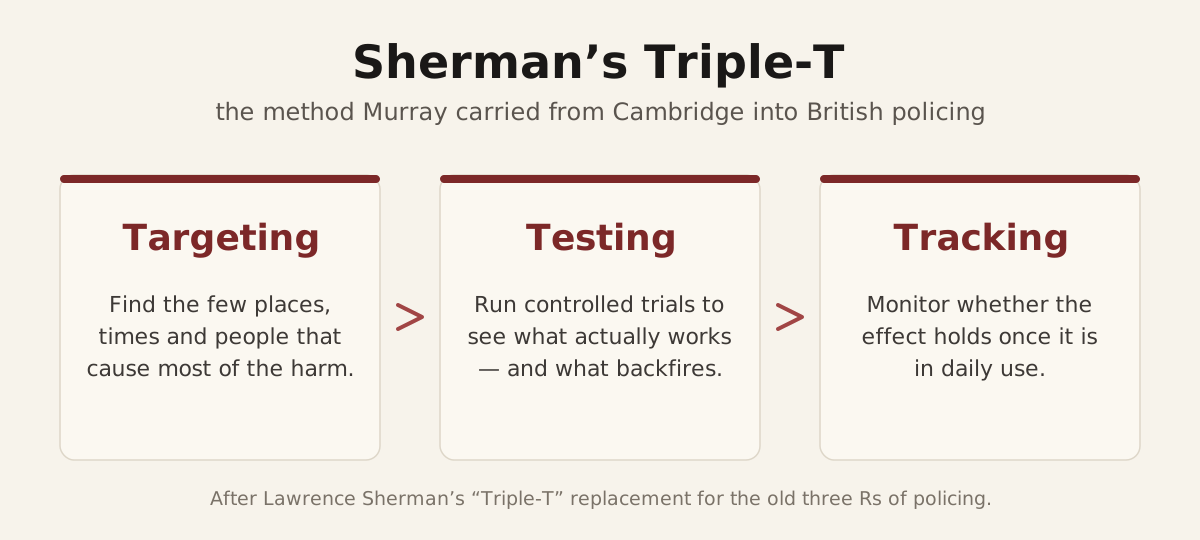
Sherman’s argument, which Murray encountered at Cambridge and carried into operational policing, was that police decisions should be guided and evaluated by empirical research rather than convention alone. The named Triple-T formulation — targeting, testing and tracking — came later, in Sherman’s 2013 Crime and Justice paper. Murray therefore did not literally bring a 2013 framework back from Cambridge in 2008. What he did bring back was the underlying method: target problems more intelligently, test interventions and measure what happened.
Founding the Society
Murray was the Society’s founding chair. The documentary trail places its organisational roots in 2010: the original charity’s governing document records a constitution adopted on 1 November that year. The current SEBP site, however, describes the organisation as founded in 2012. Its continuing purpose is clearer than the date label: improving policing through the use, production and communication of evidence.
The stronger evidence for Murray’s influence is in what he actually did. CEBCP’s 2014 Hall of Fame profile records him leading or supporting randomised and quasi-experimental work on repeat anti-social-behaviour victimisation, offender management, burglary prevention, public confidence and victim callbacks. It also records his development of police-academic ‘research fairs’ intended to match practitioners with researchers. In his own Hall of Fame statement, Murray argued that policing could not afford to rely solely on experience and intuition and that the craft of policing should be coupled with scientific method. That is a firmer basis for describing his contribution than anecdotal claims about his personal style.
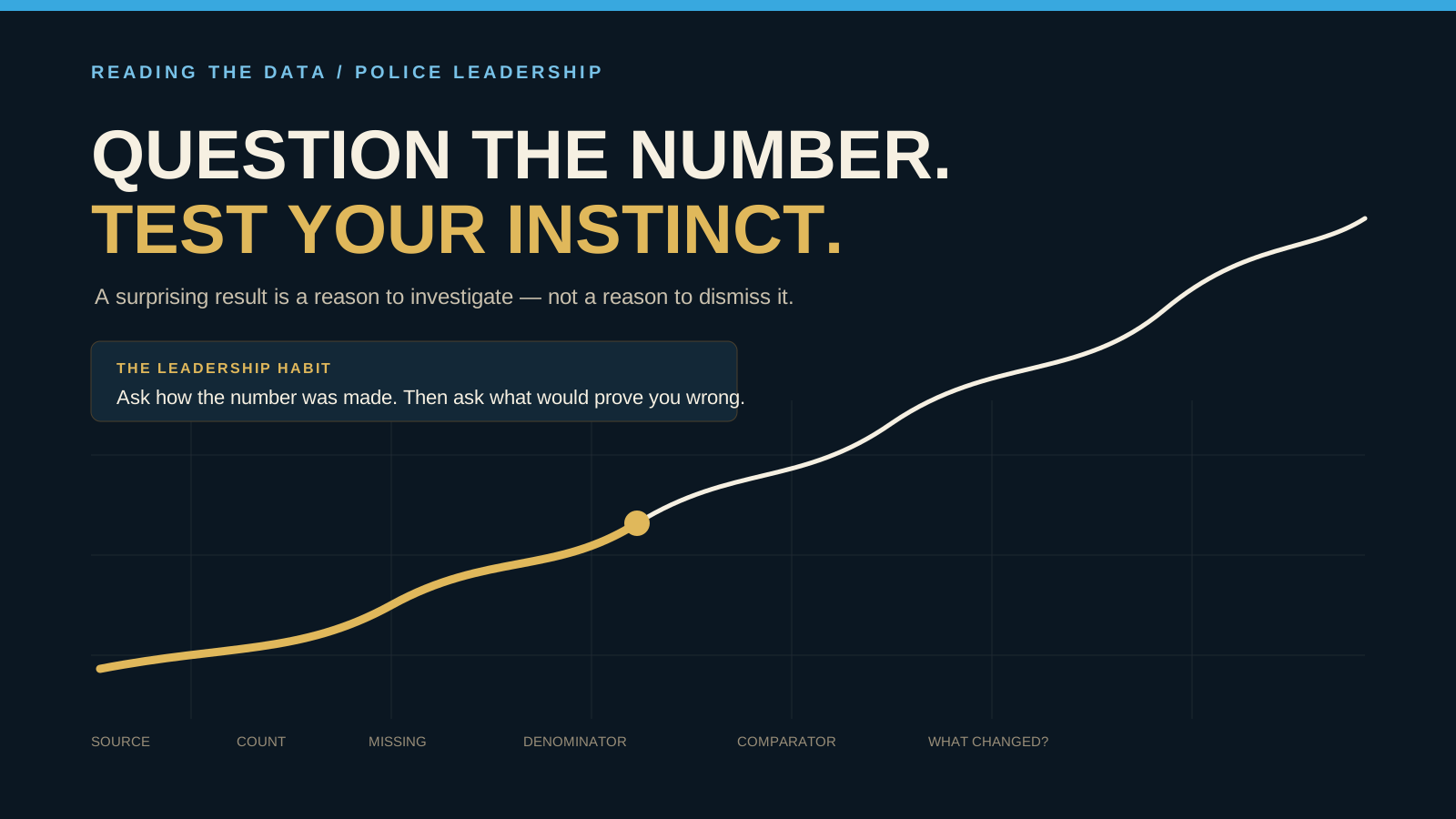
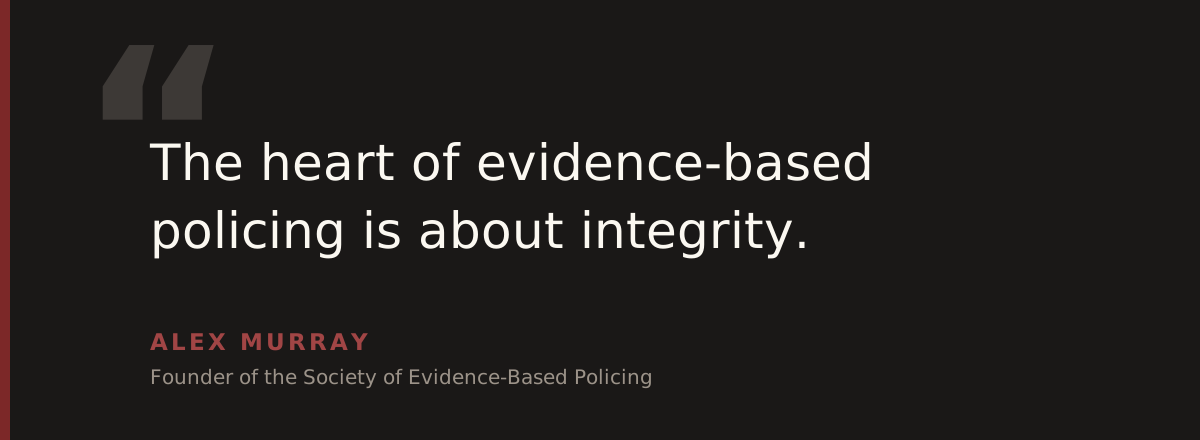
He has been candid about what that means in practice, including the discomfort of it. “Some things will work, some will backfire and some are simply ineffective,” he has said of evidence-based practice. “Failure is a good thing — including trying to evaluate something but seeing that you can’t.” That is not the language of a service that prizes never being wrong. It is the language of a scientist, and Murray’s insistence that policing adopt it is the through-line of his whole public career. For him the case rests on something more than efficiency. “The heart of evidence-based policing is about integrity,” he has put it: a claim that doing what works, and being willing to find out that you were not, is finally a question of being straight with the public you serve.
Murray’s published position is more qualified: evidence should discipline professional judgement, not pretend that judgement or values disappear from policing.
The movement did spread beyond Britain. The SEBP’s current global-collaboration page identifies societies in Australia and New Zealand, Canada, the Netherlands and the United States, which formed a global coalition in 2024. Murray’s own practitioner-research work was recognised when the Center for Evidence-Based Crime Policy inducted him into its Evidence-Based Policing Hall of Fame in June 2014. Its profile describes Sherman nominating him and calling him a ‘tireless advocate of evidence-based policing’.
What it looked like on the ground
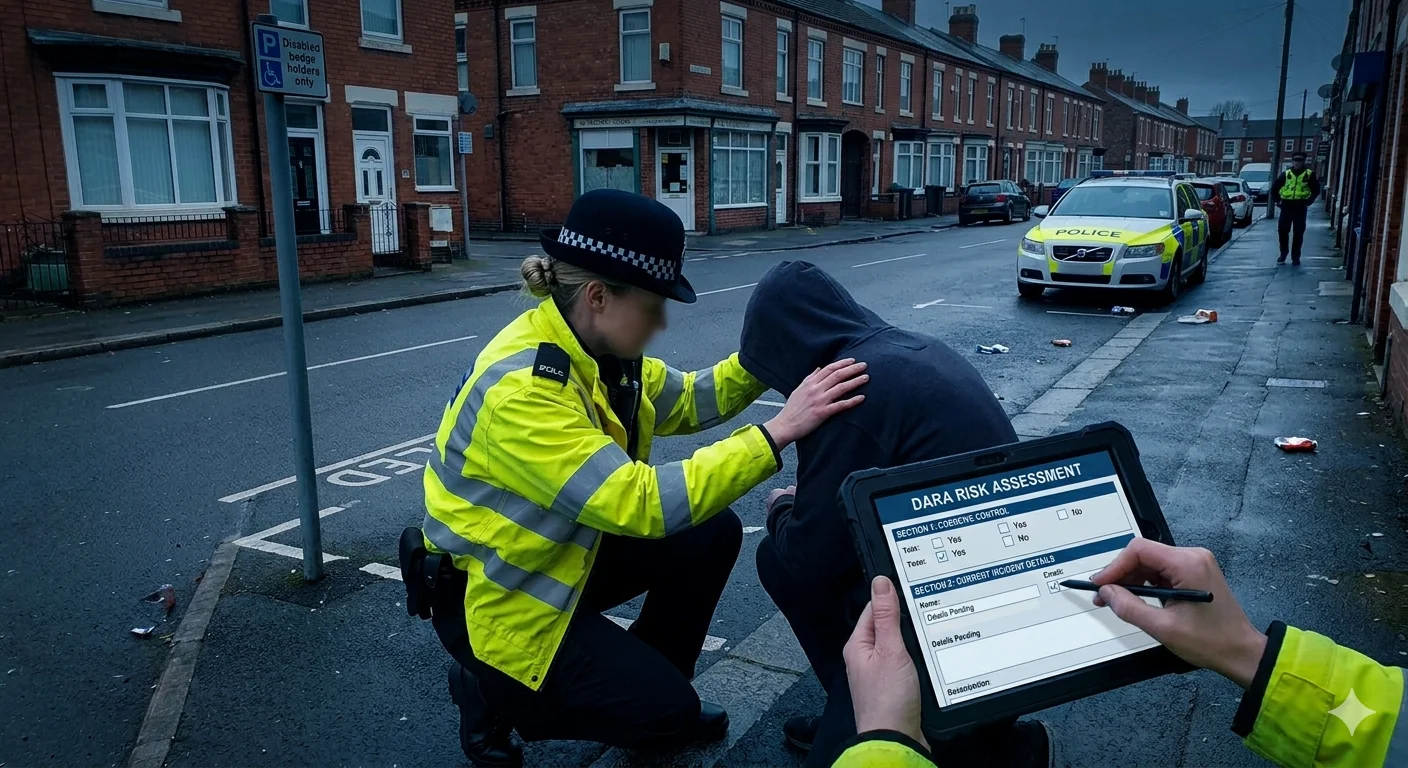
The risk with a figure like Murray is that the advocacy floats free of practice. It did not. In partnership with Cambridge he ran a randomised controlled trial in Birmingham that set up dedicated teams to manage repeat victims of anti-social behaviour, the sort of low-level but relentless harm that wears communities down and that traditional policing has always struggled to take seriously. The point of doing it as a trial, rather than simply rolling it out because it sounded sensible, was to find out whether it worked rather than to assume it. That is the discipline Murray has spent his career trying to make ordinary.
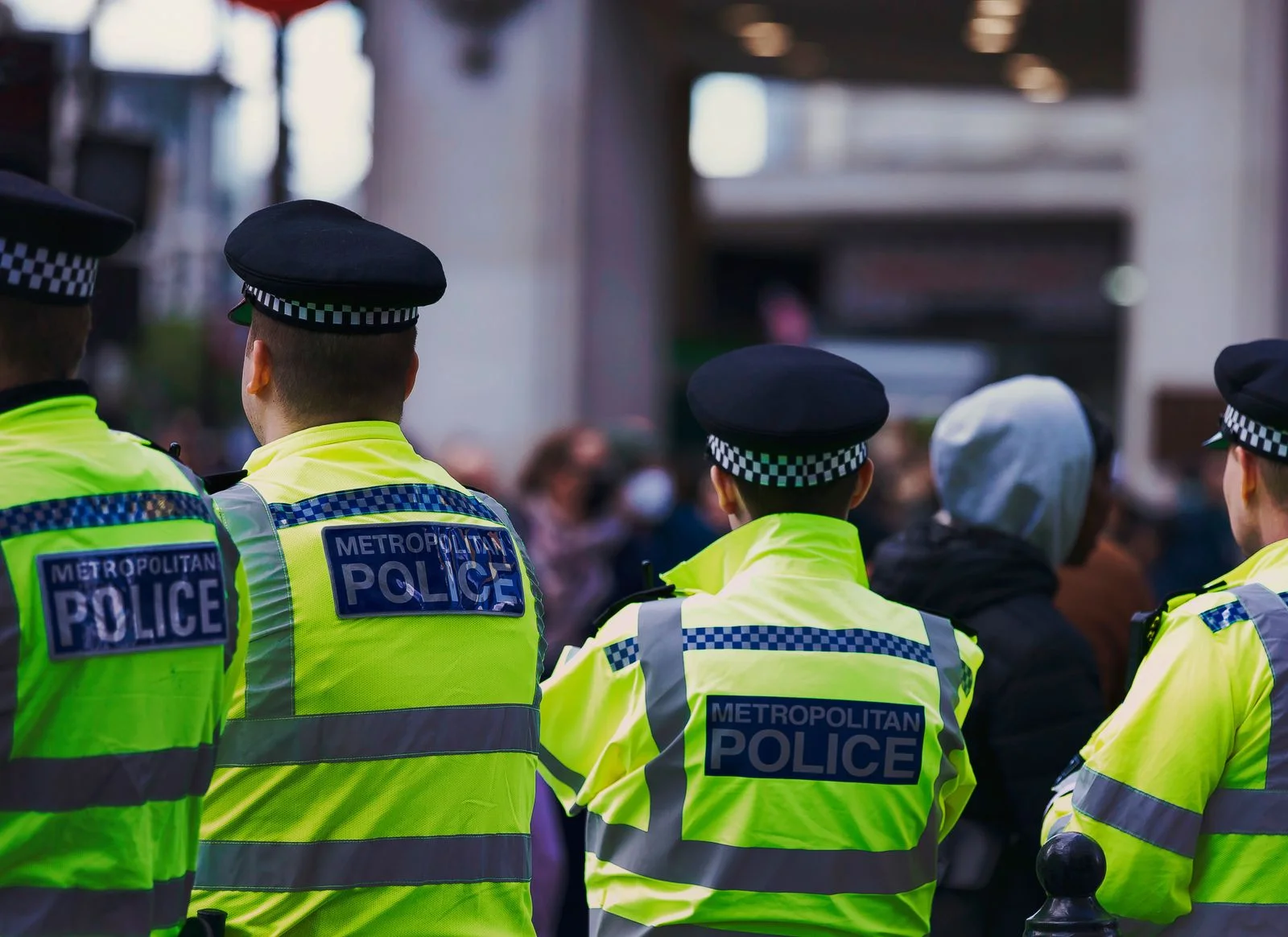
He carried the same instinct upward as he was promoted. He served three years as temporary Assistant Chief Constable for crime in the West Midlands, with responsibility for investigations, forensics, criminal justice and intelligence. He moved to the Metropolitan Police as a Commander, leading specialist crime teams working on cyber, human trafficking, child abuse and economic crime, and later took the Met’s brief for serious violence. He spent time attached to the Home Office. In each role the question he brought to the table was the same one he had brought back from Cambridge: how do we know this works, and how would we find out if it did not?
The AI lead, and the National Crime Agency
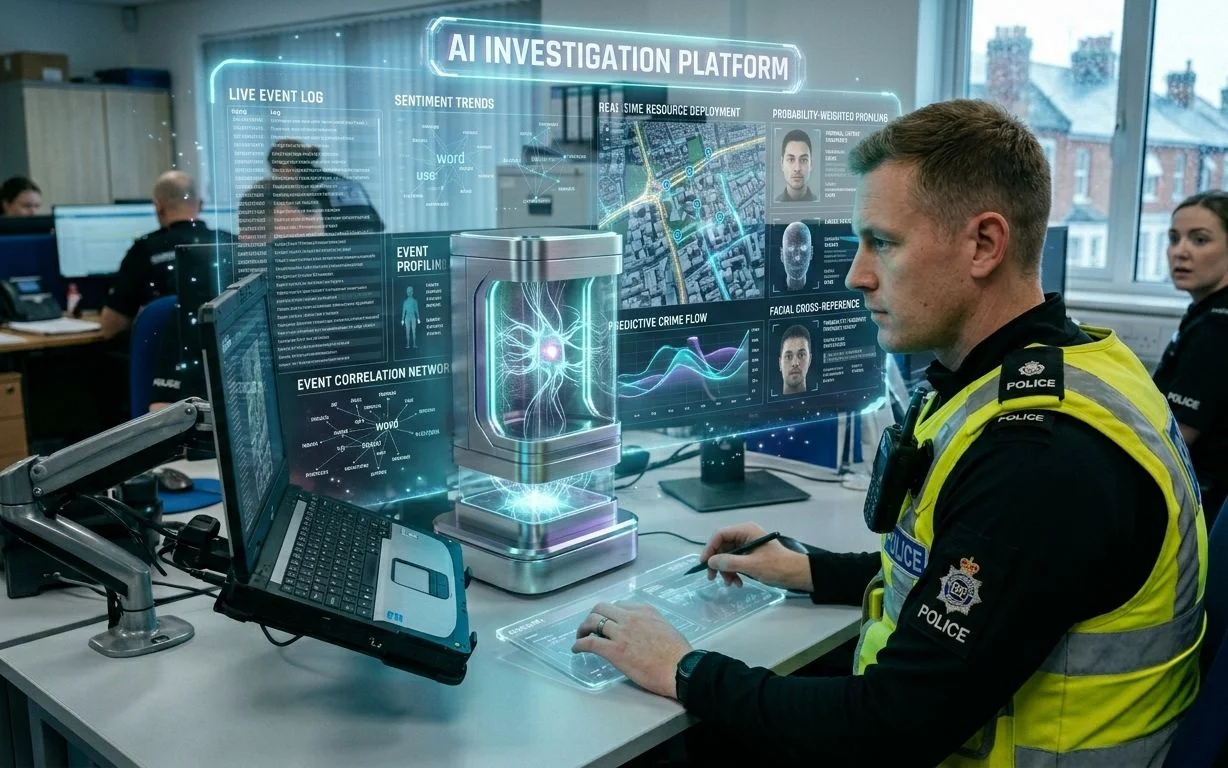
By the 2020s Murray had risen to temporary Chief Constable of West Mercia Police. Then, in March 2024, the National Police Chiefs’ Council appointed him to a job that had never existed before: the first national policing lead for artificial intelligence. The logic was not hard to follow. A service learning to ask “does this work?” needed someone to ask it of the most consequential new technology in a generation, and Murray’s whole record was that question made flesh.
He set out three priorities for the role — improving productivity, making policing more effective at cutting crime, and tackling the criminal use of AI — and he has been notably plain about the politics of it. “Our use of AI is not about government trying to make us do things,” he told Policing Insight. “It’s about protecting people.” The framing is characteristic: pragmatic, public-facing, suspicious of technology adopted for its own sake rather than because it demonstrably helps.
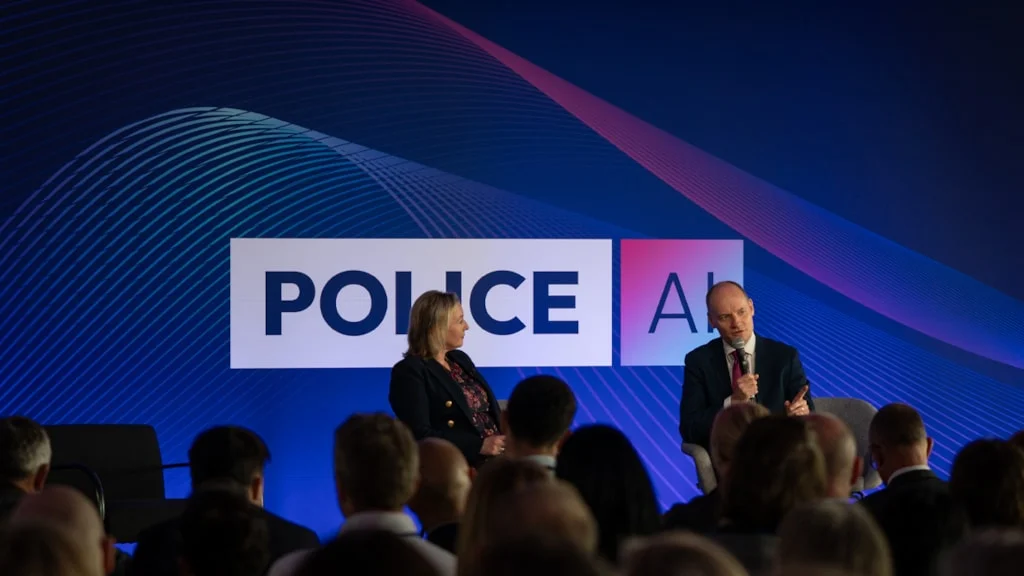
Later in 2024 Murray left West Mercia to become Director of Threat Leadership at the National Crime Agency, the body that leads Britain’s response to serious and organised crime. And in June 2026 the arc closed on itself: he was named interim director of PoliceAI, the new £75m national centre, hosted by the College of Policing, charged with testing, commissioning and governing AI across all 43 forces. The man who spent fifteen years asking policing to prove what works now runs the body that has to ask it of the most consequential technology to reach the service in a generation. He had been awarded the OBE in 2017, by then already a decade into the work for which he is best known.
The influence, in proportion
It would be easy to overclaim here, and the subject of this profile would be the first to object. Murray did not invent evidence-based policing; Sherman and a generation of experimental criminologists did. The Society he founded does not run British forces, and plenty of policing still proceeds on hunch and habit, as anyone who has read an inspectorate report knows. The culture he set out to change in 2010 has shifted, but it has not been remade.
What can be said is narrower and more durable. In the early 2010s the UK gained a practitioner-led society explicitly organised around helping police personnel use, produce and communicate research evidence. It later became part of an international network of similar societies. The College of Policing’s What Works infrastructure, the use of harm-weighted targeting and the growth of police-academic trials have many causes and many authors; they should not be attributed to Murray. His identifiable contribution was helping create and sustain a practitioner institution in which those methods could be discussed, taught and applied.
That is the quieter kind of influence, and the more lasting. The detective who once asked who committed the crime ended up asking a harder question of his own profession, and refusing to let it look away from the answer.
Sources and further reading
- Center for Evidence-Based Crime Policy, Hall of Fame: Alex Murray, George Mason University.
- Society of Evidence-Based Policing, About us and Our people.
- Alex Murray, Katrin Mueller-Johnson and Lawrence W. Sherman, “Evidence-Based Policing of U.K. Muslim Communities”, International Criminal Justice Review, 2015.
- The Behavioural Insights Team, “Innovation in Policing: a guest blog from Chief Superintendent Alex Murray”.
- Police Professional, “Global first as leading police thinkers gather for 24-hour evidence-based policing conference”.
- Police Science Dr, Alex Murray on Evidence-Based Policing.
- The Police Foundation, Evidence-based policing: leadership insights.
- Regional Organised Crime Unit, “NPCC welcomes first-ever lead for Artificial Intelligence”, March 2024.
- Policing Insight, “Alex Murray: ‘Our use of AI is not about government trying to make us do things — it’s about protecting people’”.
- Wikipedia, Evidence-based policing and Lawrence W. Sherman.
Related reading
- Influential PeopleLawrence Sherman and the Invention of Evidence-Based PolicingJun 2026
- Influential PeopleThe Society of Evidence-Based Policing: Nurturing the Idea That Every Officer Can Test What WorksJun 2026
- Evidence & PracticeAI in policing: what leaders should check before approving a toolJun 2026