Susanne Knabe-Nicol and Policing’s Research Translation Problem
In brief
Dr Susanne Knabe-Nicol built Police Science Dr around a simple problem: useful policing research often fails to reach practitioners in a form they can access and use. Her work is a case study in evidence translation rather than evidence production.


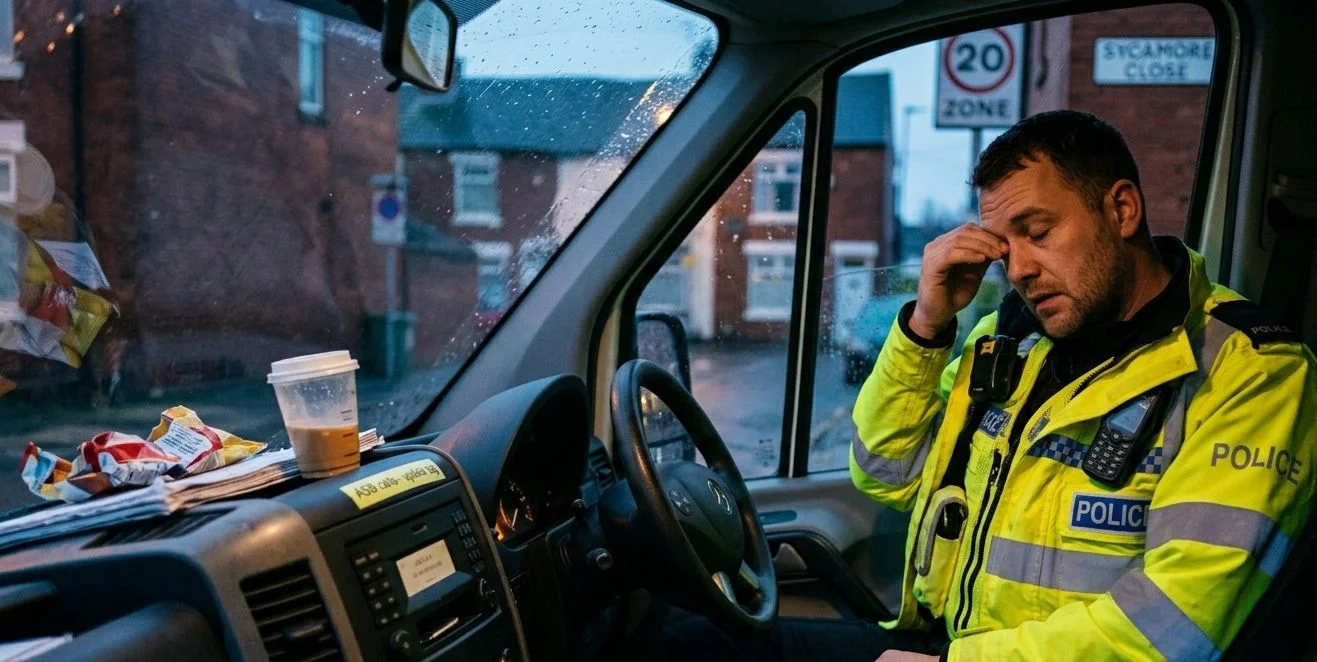
Evidence-based policing can fail even when the research is good. The evidence may exist, the paper may be published and the finding may be relevant — yet the officer who could use it never encounters it in a form that fits the job.
Dr Susanne Knabe-Nicol has built much of her work around that problem.
Middlesex University records more than a decade of UK policing experience across regional intelligence analysis, major crime research, custody investigation, evaluation and improvement roles, preceded by work as a PCSO in London. She holds an MSc and PhD in Investigative Psychology from the University of Liverpool and is now a lecturer in Criminology, Policing and Investigations at Middlesex, where she leads the BSc Criminology with Policing & Investigations programme. Middlesex University.
Her best-known public project, Police Science Dr, is an attempt to solve the distribution problem between research and practice.
The barrier is not simply whether research exists
Knabe-Nicol’s own explanation is straightforward. There is substantial policing research being produced, but much of it is written and published for academic audiences. Practitioners may not have access to the journal, time to read a long article or confidence in interpreting the methods. Middlesex University biography.
The old version of this profile claimed that a typical good paper is read by only a few dozen academics. That is a memorable line, but it is not needed and there was no adequate source for a fixed number.
The stronger point does not require it. Evidence availability and evidence use are different things.
A force can commission research and still fail to change practice if the result never reaches the relevant supervisors, trainers and officers in an intelligible form. Conversely, simplifying a finding too far can create a different problem: the caveats disappear and a conditional result turns into a rule.
Research translation therefore has to preserve enough of the evidence to remain faithful.
Police Science Dr is a translation layer
Knabe-Nicol says she created Police Science Dr because officers may be able to make time for a short video even when they cannot access and digest the original paper. The platform describes itself as a place where policing research meets police practice. Police Science Dr — About.
Its formats include research-based videos, podcasts, transcripts and courses. The practical idea is not simply to shorten research. It is to create an accessible route into it.
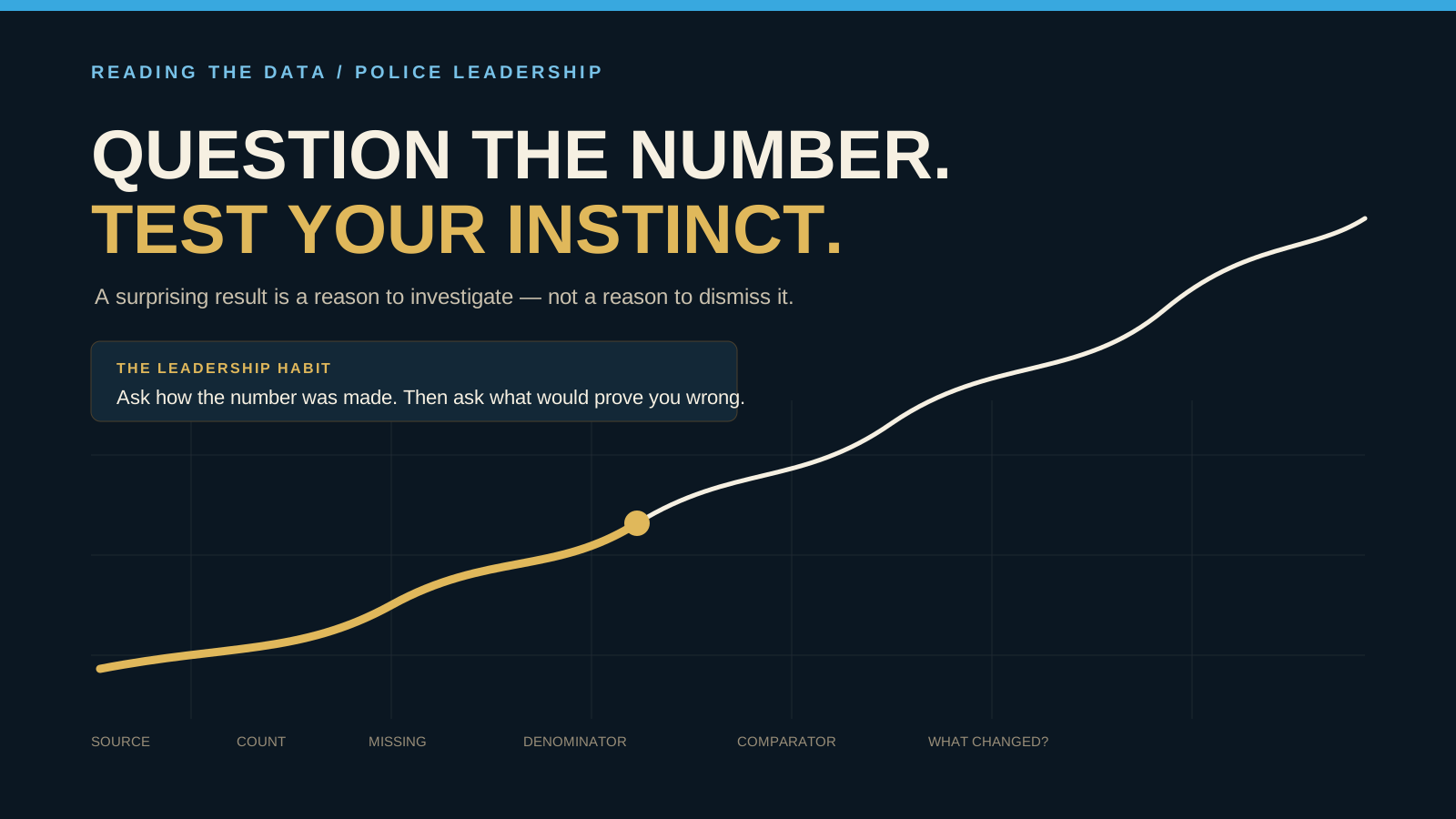
That distinction matters. A useful summary should answer at least four questions:
- What did the study actually examine?
- What did it find?
- What are the important limitations?
- What, if anything, should a practitioner do differently?
The fourth question is often where translation becomes interpretation. A research paper may establish that an intervention reduced a measured outcome in one setting. Turning that into force policy requires a separate judgement about transferability, resources, legality and implementation.
A good translator makes that step visible rather than presenting it as part of the original finding.
Her policing background matters, but it is not evidence of effectiveness
Knabe-Nicol’s practitioner history gives her a useful perspective on the environment into which research has to land. She has worked in roles that depend on translating information into police decisions, including intelligence analysis and improvement work. Middlesex University.
That helps explain the design of Police Science Dr. It does not prove that the platform changes police behaviour.
This is an important distinction for evidence-based policing itself. A resource can be credible, well-designed and appreciated by practitioners without yet having an evaluation showing that exposure to it changes knowledge, decisions or outcomes.
The next evidence question is therefore not whether officers like short research explainers. It is whether those explainers improve understanding, alter practice appropriately or increase use of the underlying evidence.
Translation should be built into implementation
The broader lesson extends beyond one platform.
When a force introduces an evidence-based intervention, it often concentrates on the formal product: a new policy, training package, toolkit or briefing. The research behind the change may be reduced to “evidence shows this works”.
That phrase is rarely enough.
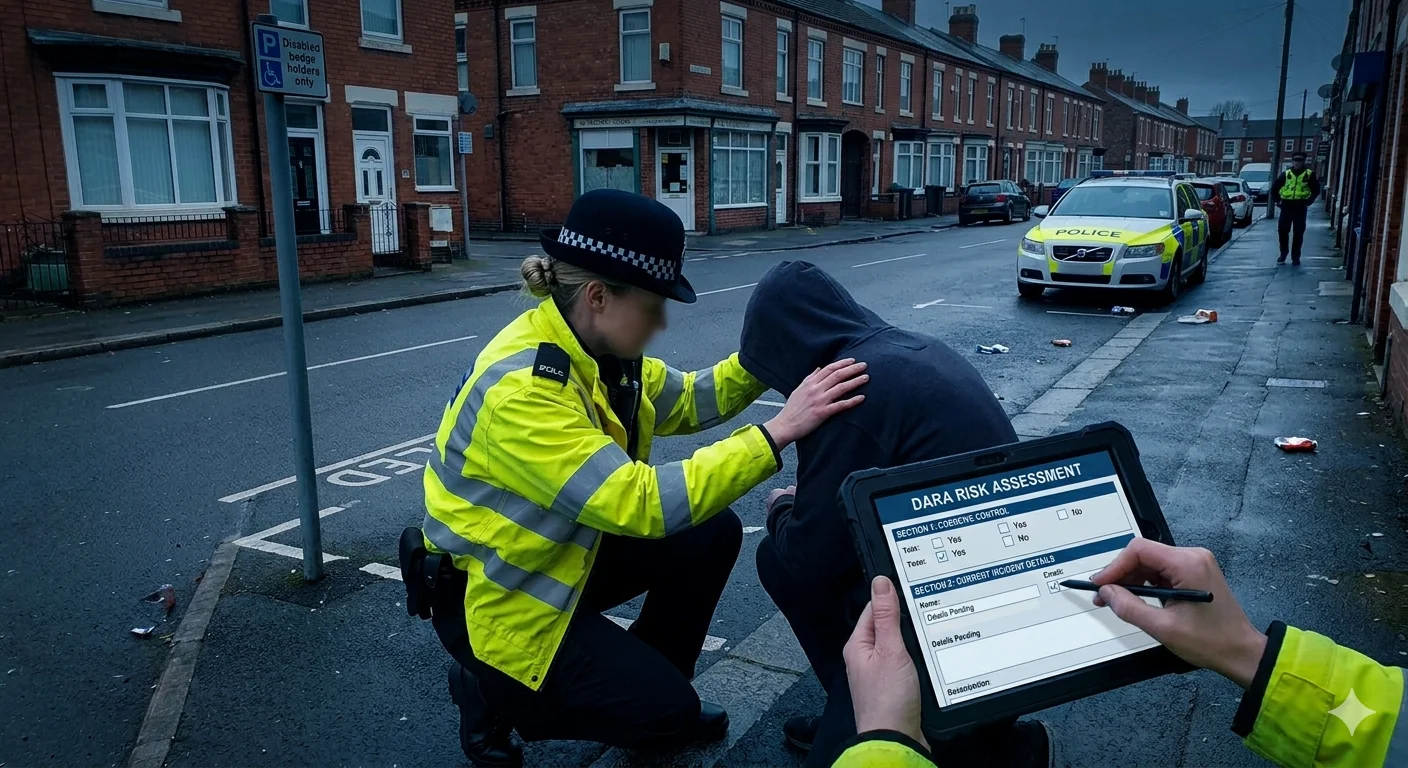
Practitioners need to know what the intervention is supposed to achieve, the conditions under which it was tested and the parts of delivery most likely to determine whether it works locally. Supervisors need enough understanding to recognise implementation drift. Analysts need to know which outcomes should move if the intervention is working.
Research translation is therefore part of implementation fidelity.
A force could apply a simple standard to every evidence-based change: provide a one-page or short-form practitioner summary, link the original evidence, state the main limitation, identify the expected mechanism and specify what success will be measured against.
The format can vary. Video, audio, written briefings and facilitated discussion may work differently for different audiences. The important part is that the summary retains a route back to the evidence.
Why Knabe-Nicol belongs in this series
The history of evidence-based policing tends to celebrate people who generate evidence or build institutions around it. Knowledge mobilisation is less visible.
Knabe-Nicol’s work makes the case that translation is its own professional task. The person reading the systematic review and the constable making a decision at 2am do not share the same time, incentives or specialist language. Somebody has to bridge that gap without overstating the research on the journey.
Police Science Dr is one attempt to do it. Its value as an example lies in recognising the problem clearly: research that does not reach practice cannot influence practice.
For police leaders, the implication is not that every officer should be directed to one website. It is that every evidence-based change needs a deliberate distribution and translation plan alongside the evidence itself.
Sources and further reading
Discussion questions
- 01
When your force adopts an evidence-based practice, who translates the research into something frontline officers can actually use?
- 02
Can officers trace a short research briefing back to the original source and its limitations?