Seeing Is No Longer Believing: How Synthetic Evidence Could Convict an Innocent Man
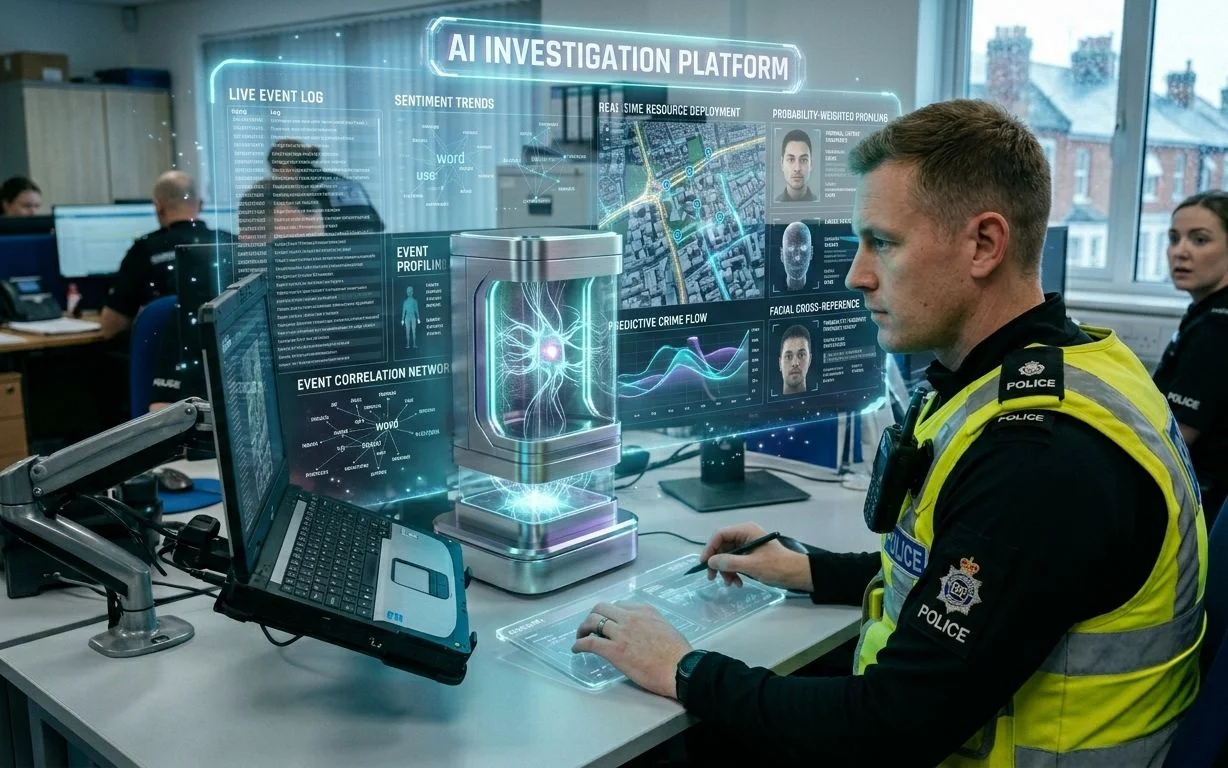
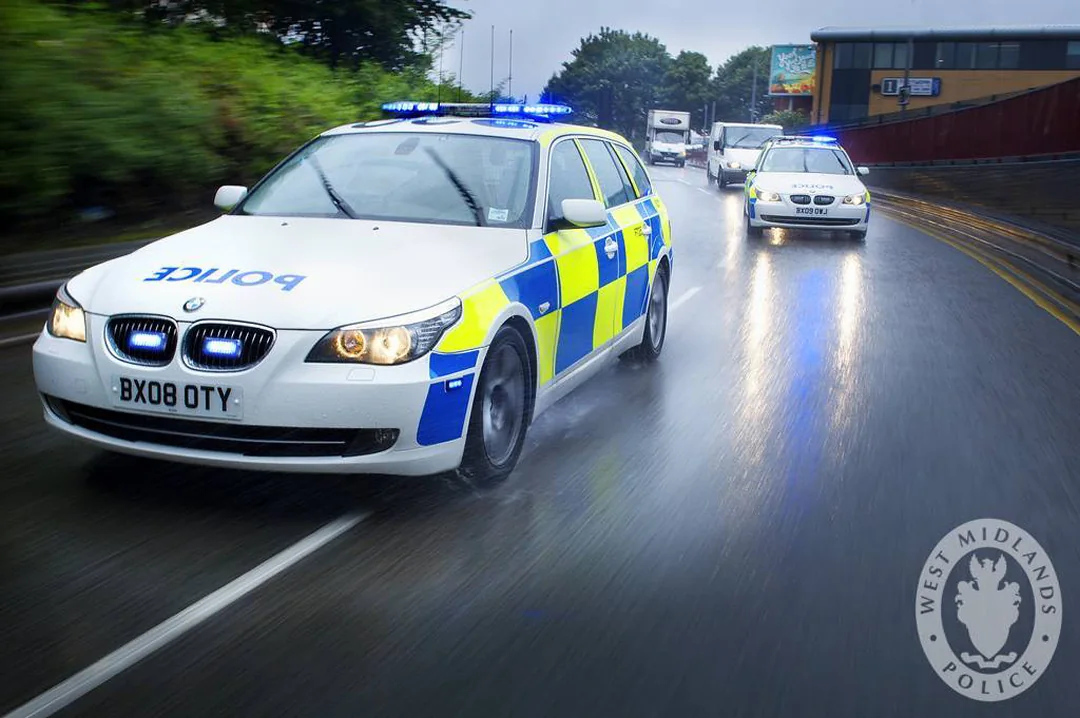
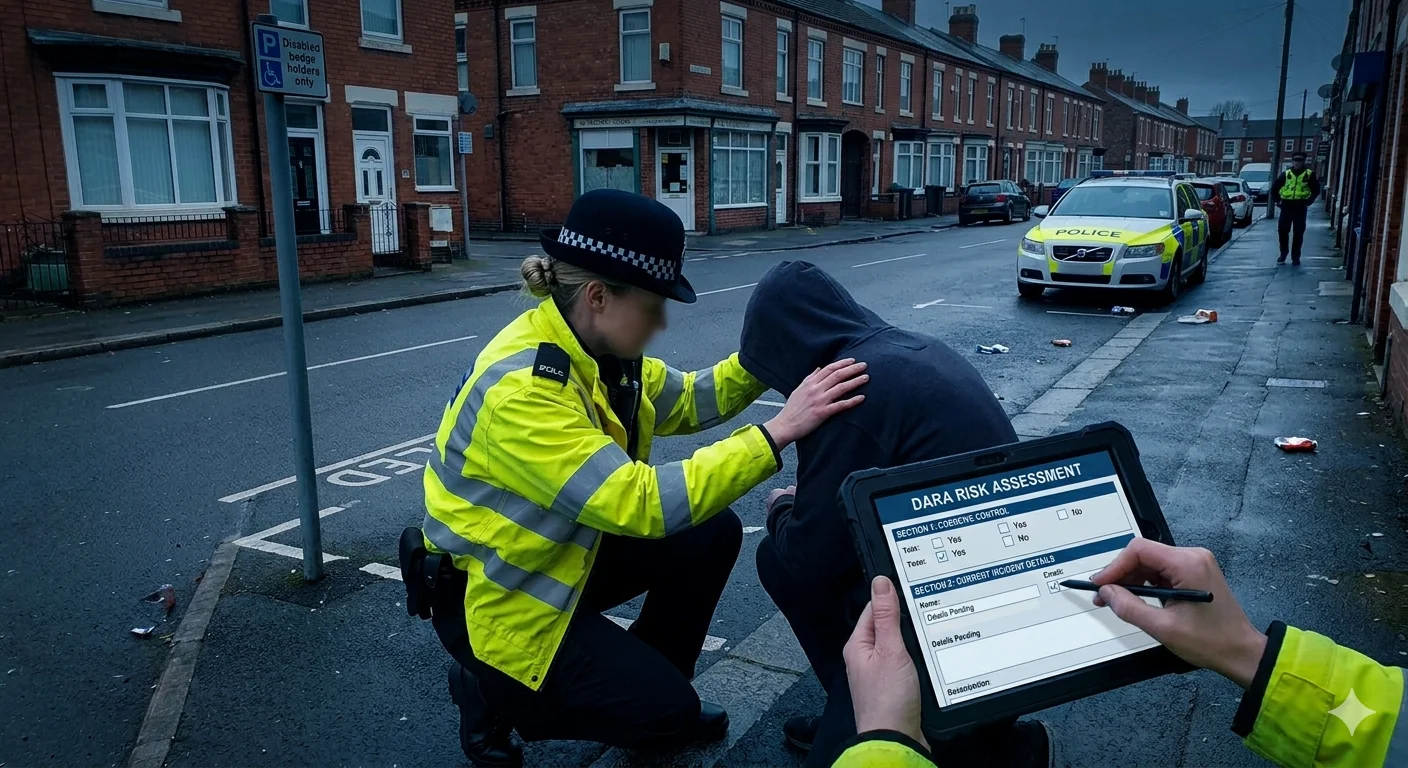
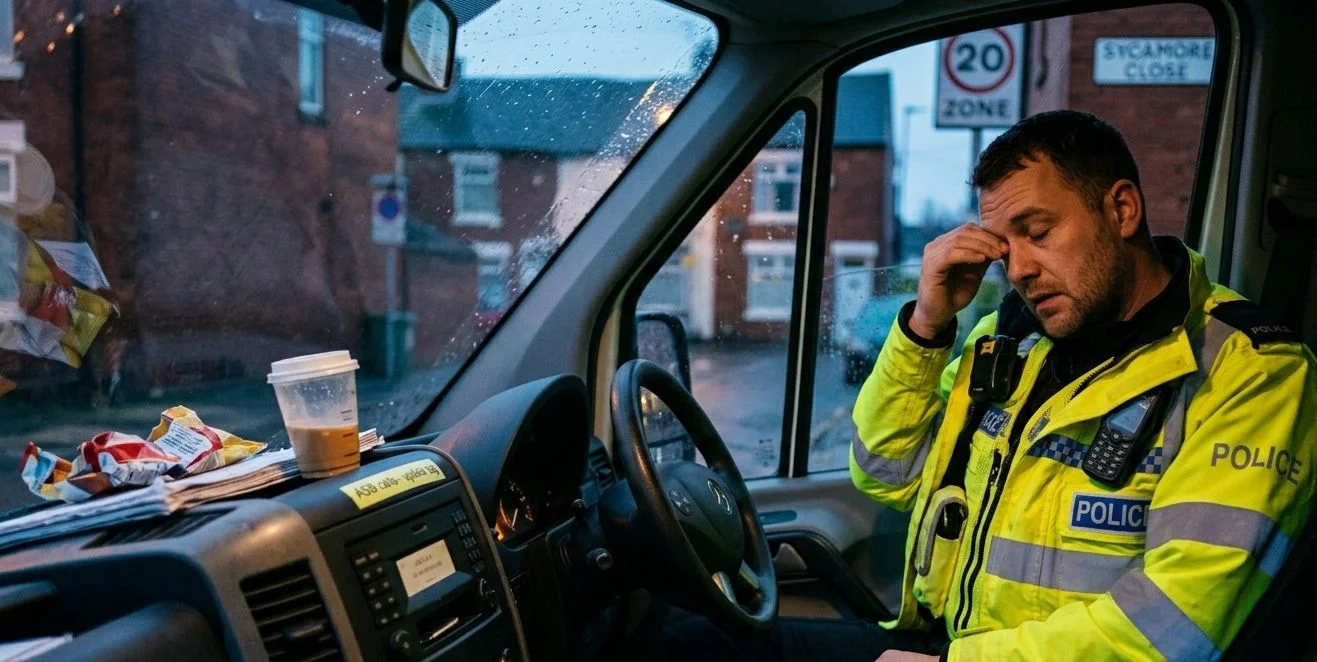
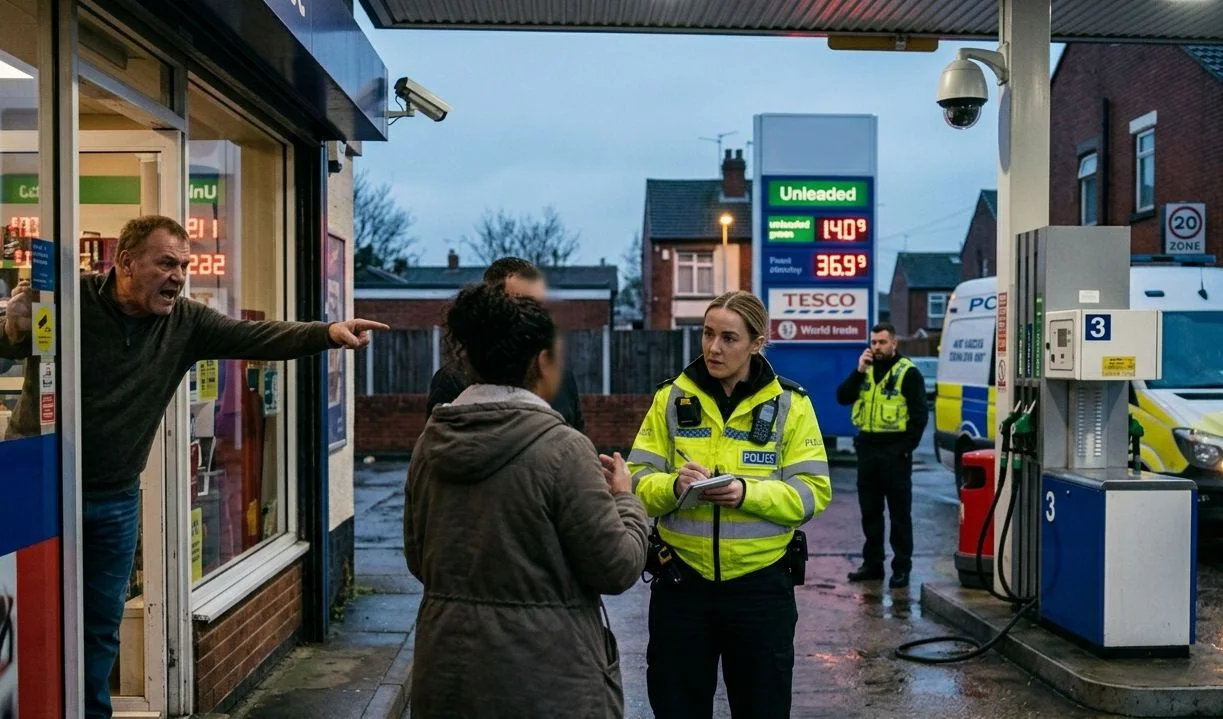
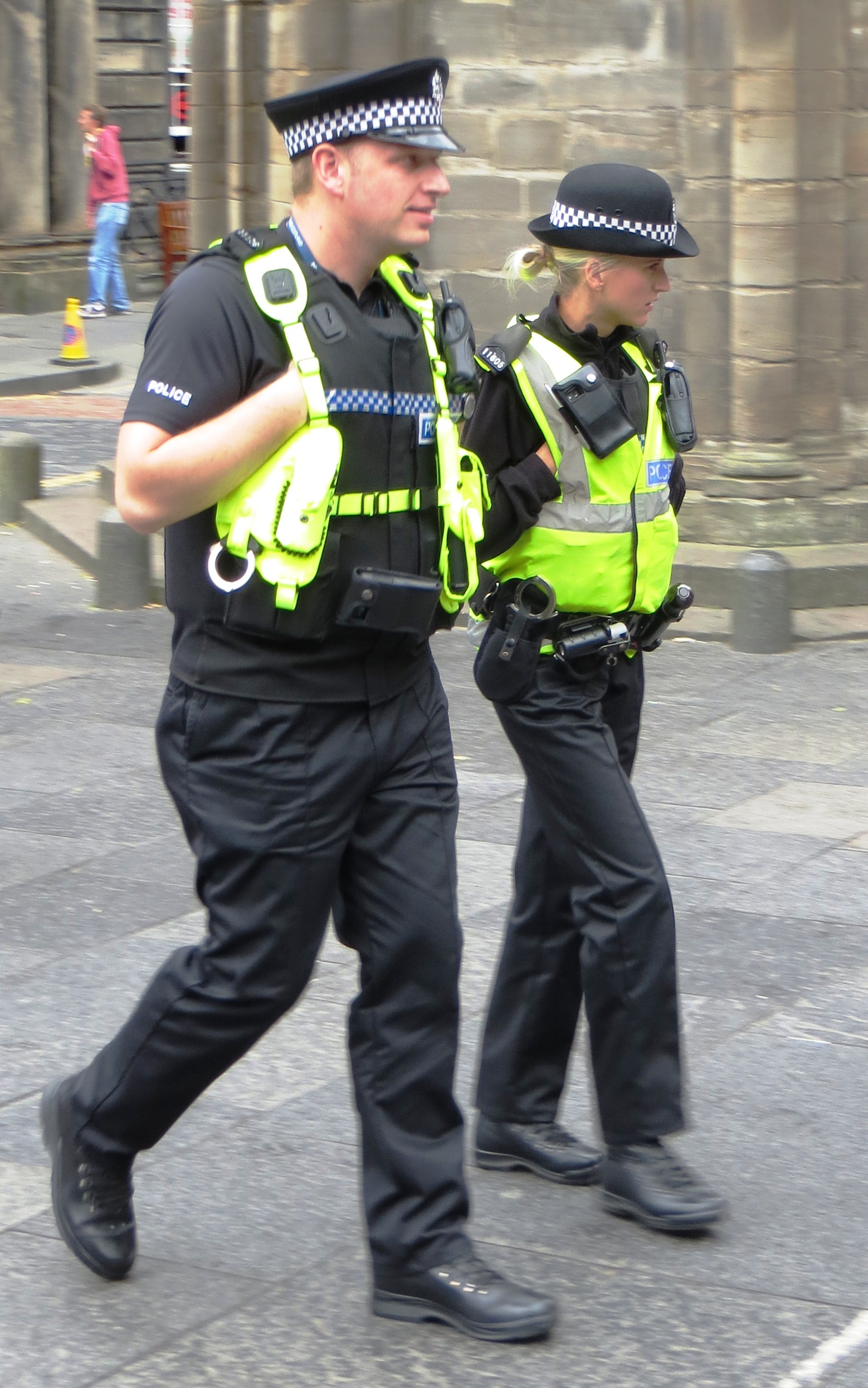
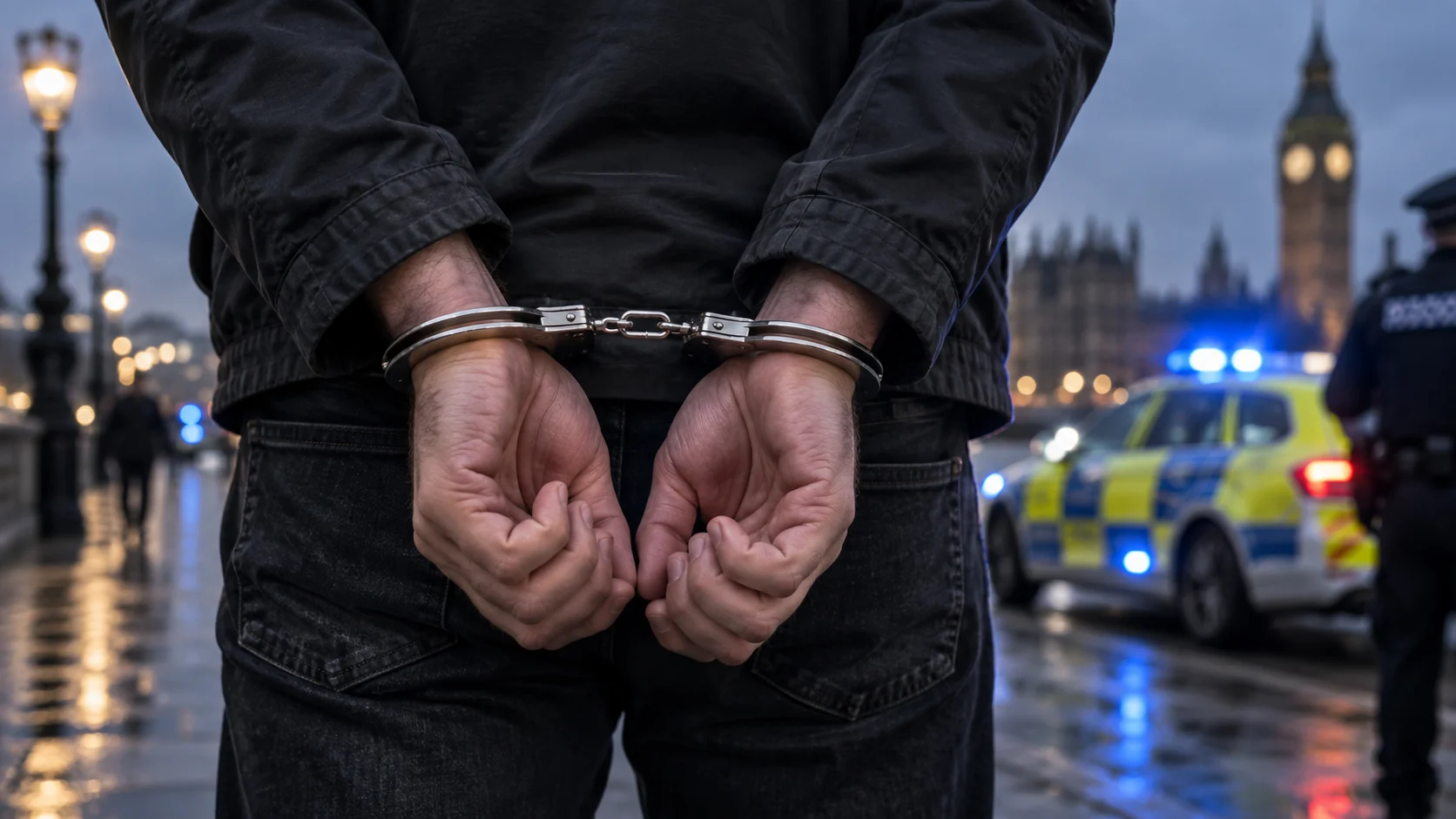
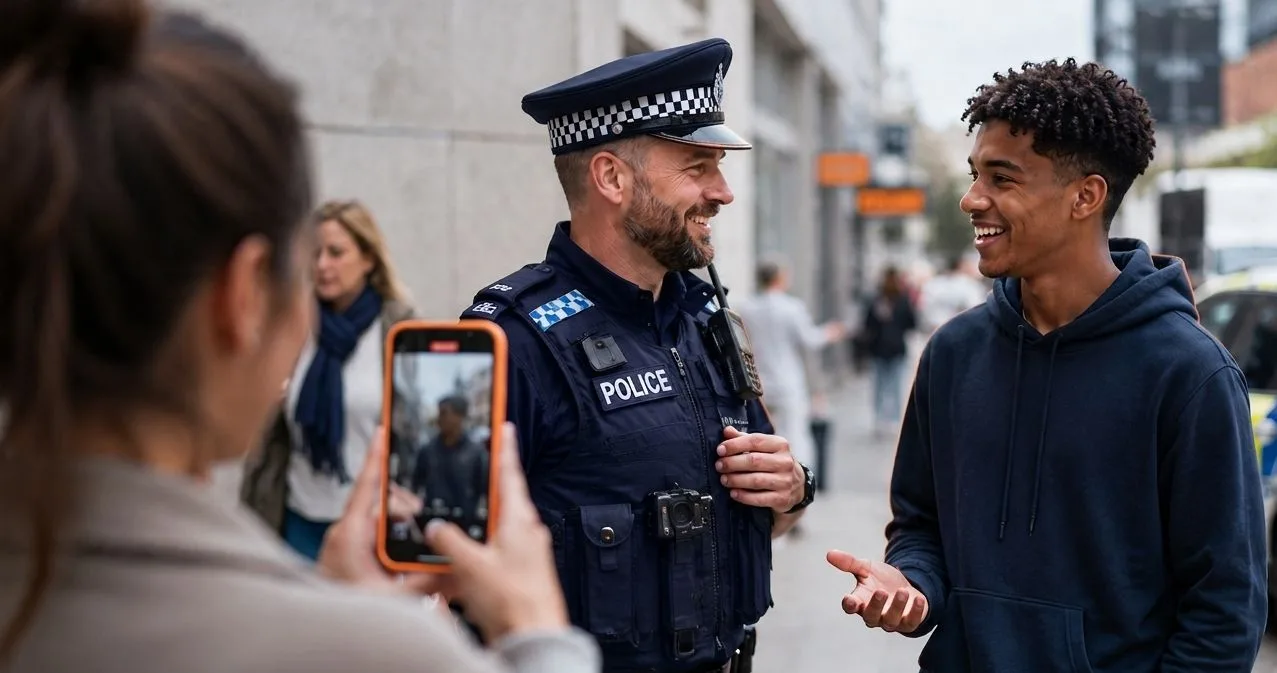
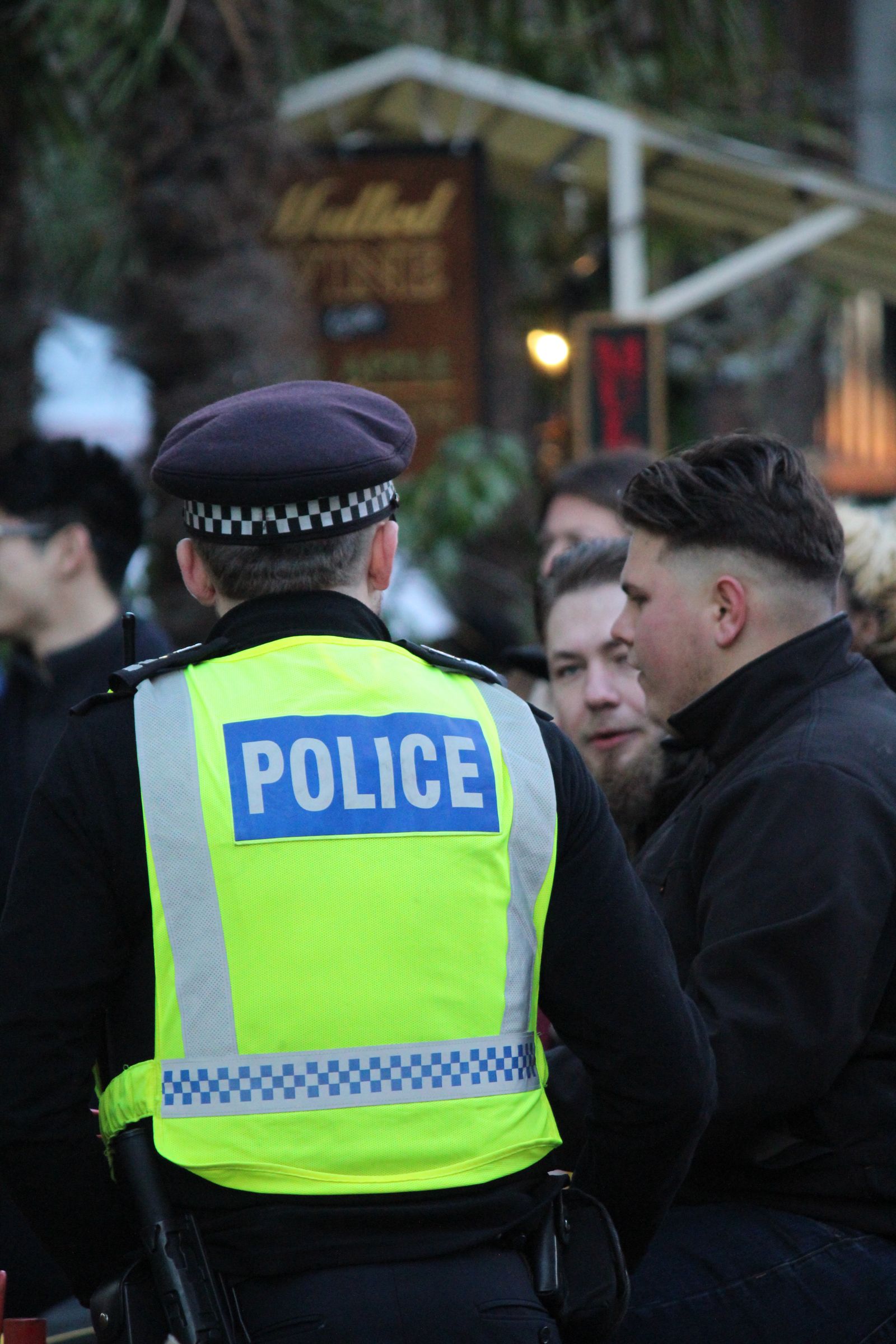
Every image and video in this article is fictional and AI-generated for illustration. John Smith, Margaret Doyle and Wessex Police do not exist, and no real person or event is depicted. A short case study in how cheaply CCTV can now be faked — and what an investigator has to do to keep a manipulated clip out of the file.

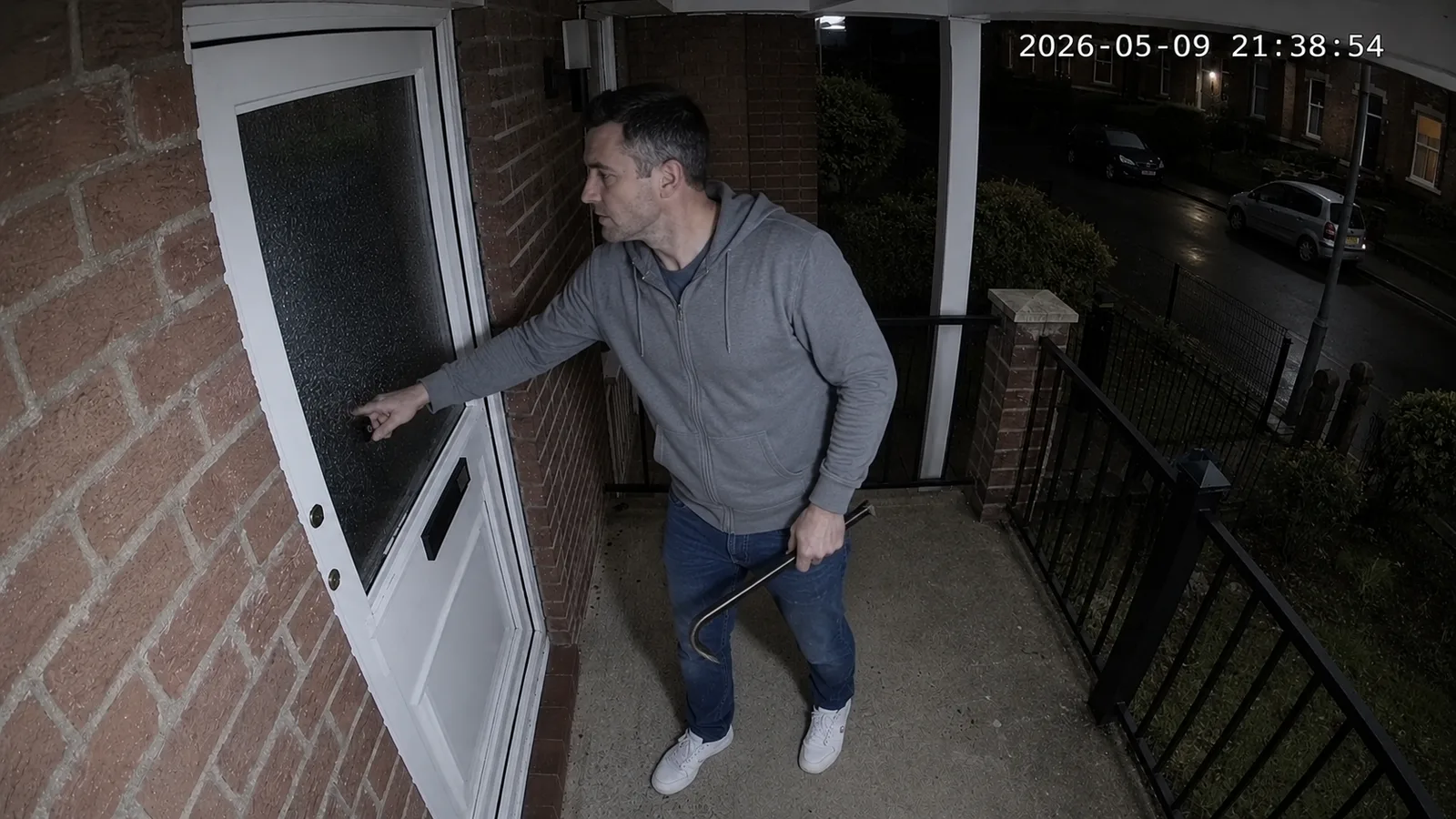
Imagine the file on your desk. A burglary at 14 Alder Close: a 72-year-old woman, Margaret Doyle, comes home to a forced kitchen window, her jewellery and £300 in cash gone. A neighbour’s doorbell camera caught a man at her door, and a second camera across the road appears to catch him again. There is a still and two short clips with sound. By the time you reach the bottom of the bundle you are fairly sure who did it. His name is John Smith, and he did not do it. Every image of him was made on a laptop in an afternoon.
When I last wrote about this in 2025, the argument was a forecast: generative AI would reach the point where video evidence could be faked convincingly. That forecast has expired. In 2026 the tools sit on a phone, the fakes carry sound, and the first cases of synthetic evidence reaching a courtroom have already been decided. So this is not an essay about whether it can be done. It is a short walk through one ordinary case, asking the only questions that now matter: what does this appear to show, how easily could it have been faked, and could I actually prove which it is?
- £85k NPCC STAR funding for Metropolitan Police forensic audio deepfake research MOPAC, May 2026
- 59 deepfake-detection providers mapped in a UK government-commissioned market study DSIT, March 2026
- £75m PoliceAI funding over three years including a threat hub for AI-generated false evidence
- 31 days a reference point in UK police CCTV system guidance not a universal retention or overwrite deadline
The still
For decades video evidence has held a privileged place in a courtroom. When a jury sees footage of an event they tend to treat it as the truth, and where a witness’s account conflicts with what the camera recorded, the camera usually wins. That instinct was reasonable for as long as fabricating convincing footage took a film studio’s budget. It is now the weak point an adversary aims at, because the budget has fallen to nothing.
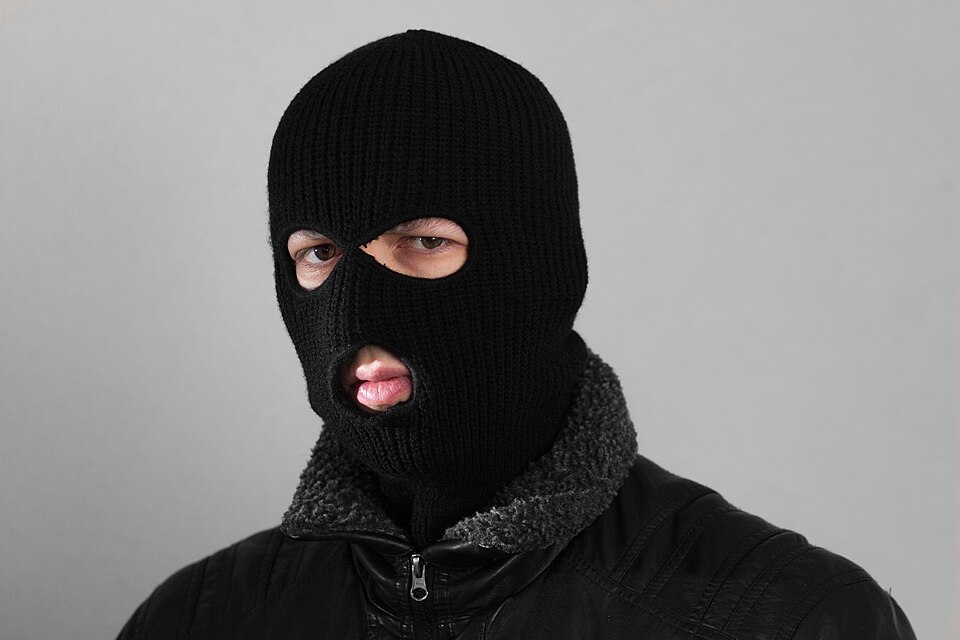
The neighbour’s doorbell camera caught John at Margaret’s door. In the genuine frame it is twenty past two in the afternoon and he is holding a bouquet — he had called round to drop off flowers, which is the whole of what he did that day.
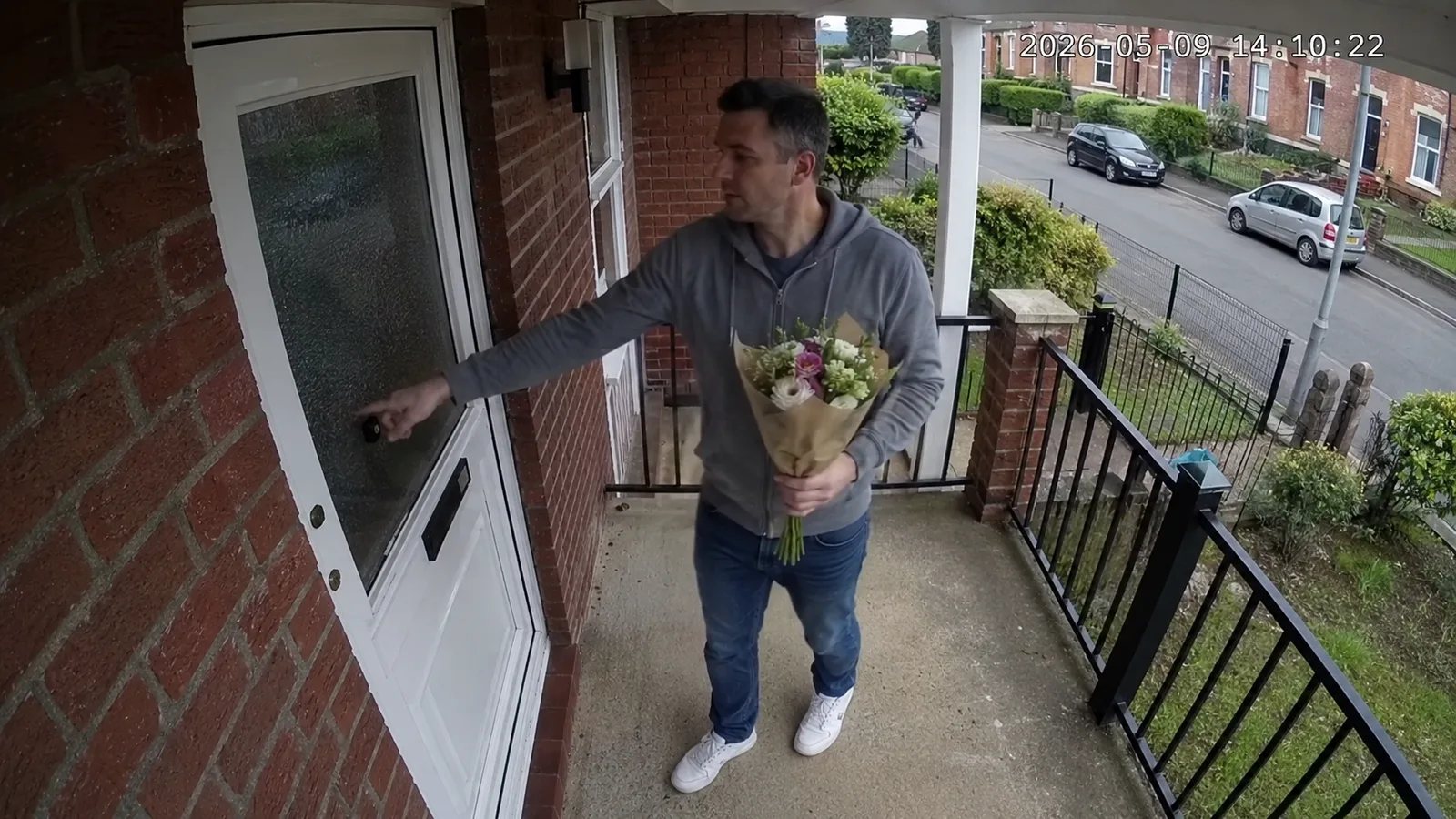
Here is the same frame after a few minutes of work. The flowers are now a crowbar, the posture has shifted toward the door, the afternoon has become night, and the timestamp reads 21:38 — placing him at the door at the moment of the break-in.
Notice what carries the weight in the altered version: the timestamp burned into the corner. That overlay is not metadata and it is not proof of anything — it is pixels, drawn by whatever produced the file, as editable as the crowbar. An officer who reads the time off the front of the image is reading a caption the forger wrote. The lighting is consistent, the posture is natural, and to the eye there is nothing to see. On its own the frame would anchor a charge.
The video, with sound
It is no longer only stills. Current systems can generate short video with synchronised audio from text or an input image. Google’s Veo 3.1 is one documented example. (OpenAI’s Sora, the tool most people still name first, shut down in April 2026; the capability it demonstrated didn’t go anywhere, the competitors just took the market.) Synchronised audio is now available in major video-generation systems, so sound can no longer be treated as an independent authenticity cue: footsteps, the scrape of a gate, the thud of a window. The clip below was made that way, from the still above.
A convincing clip can exert evidential weight precisely because it looks familiar and coherent. But the right conclusion is not that video has become worthless. It is that visual plausibility and synchronised sound are no longer enough to establish authenticity. For an investigator, a received video file should be treated as content whose provenance, integrity and acquisition history still need to be established.
A second camera, the same lie
One synthetic clip might be doubted. The danger is corroboration, because corroboration is just as easy to manufacture. Here is a second angle — a camera across the road, apparently independent, apparently catching the same man at the same moment.
This is the move that turns a doubtful exhibit into a confident case. Two cameras agreeing feels like proof, because in the old world two independent recordings of the same event almost had to be real. That assumption is now broken. A second angle is one more prompt, and “independent” footage that was never independent is exactly what builds false certainty in a jury — several modest clips that each look unremarkable and together look conclusive. No single item has to be perfect. They only have to agree.
The CCTV problem software cannot fix
Here is the part that no detector solves. CCTV retention varies by system and purpose. UK police requirements say retention beyond 31 days may be useful in some circumstances and require systems to be capable of protecting footage relevant to an investigation from overwrite. If an owner supplies an export and the source system later overwrites the native recording, useful information about provenance and integrity can be lost.
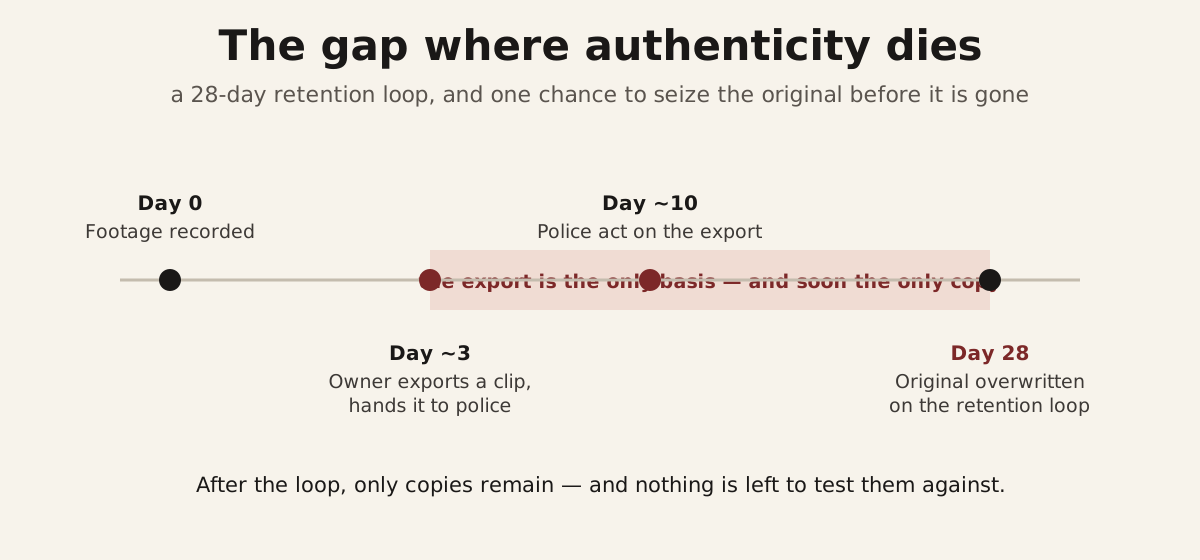
The practical consequence is clear. The evidential value of CCTV depends on what the clip shows and how it was obtained. UK police guidance says the initial export should be in the native format and that event logs, audit trails and system settings can assist in establishing integrity. Preserve the master and record the acquisition process. Where the source recording is no longer available, investigators should be explicit about that limitation rather than treating an owner-supplied export as automatically equivalent to the native recording.
It cuts both ways
The frame-up is the obvious danger; it is not the only one. A fabricated clip that is believed can convict the innocent. A genuine clip that is disbelieved — waved away as “probably AI” — lets the guilty walk. Legal scholars Bobby Chesney and Danielle Citron named the second effect the liar’s dividend: once everyone knows footage can be faked, anyone caught on camera can claim it was. Both corrode the same thing — a jury’s ability to decide anything from a screen at all.
The psychology is more nuanced than saying juries simply believe video. Experimental research has shown that fabricated or misleading media can contribute to false memories, but a 2019 study of 682 participants found that deepfake video did not consistently create more false memories than misleading text or photographs. The defensible conclusion is narrower: synthetic or altered media can contaminate memory and confidence, so investigators and courts need to know what a person saw before giving an account and should not assume that exposure to a clip is neutral.
This is not hypothetical
The case of John Smith is invented. The capability is not, and the courts have started to meet it.
The case of John Smith is invented. The capability is not.
In September 2025 a California court dismissed Mendones v. Cushman & Wakefield after self-represented litigants submitted AI-generated audio and video of a real person as authentic testimony. The National Center for State Courts describes it as an early example of a deepfake being submitted as purportedly authentic evidence. In a separate 2024 Washington criminal case, State v. Puloka, a judge excluded AI-enhanced video after concerns that the enhancement process introduced information not present in the source recording. These cases are not evidence that synthetic material is common in court. They show that courts are already having to distinguish disclosed enhancement from unacknowledged fabrication.
England and Wales still has a common-law rebuttable presumption that a computer producing evidence was operating correctly at the material time unless there is evidence to the contrary. That is not a general presumption that every digital photograph or video is authentic. The Ministry of Justice’s 2025 call for evidence expressly distinguished evidence generated by software — potentially including AI and algorithms — from material merely captured or recorded by a device. The GOV.UK page records that call as closed; the sources reviewed for this article did not identify a published replacement framework as at August 2026.
What protects a case now
Much of the defence is established forensic practice applied with new seriousness. A Department for Science, Innovation and Technology report published in March 2026 described deepfake detection technology as still in its early stages and the market as nascent. That makes a single detector an unsafe foundation for an authenticity decision. Blanket suspicion of all digital evidence would be equally damaging because it would strengthen the liar’s dividend. The more durable response is procedural: provenance, integrity and acquisition history need to be examined alongside the content.
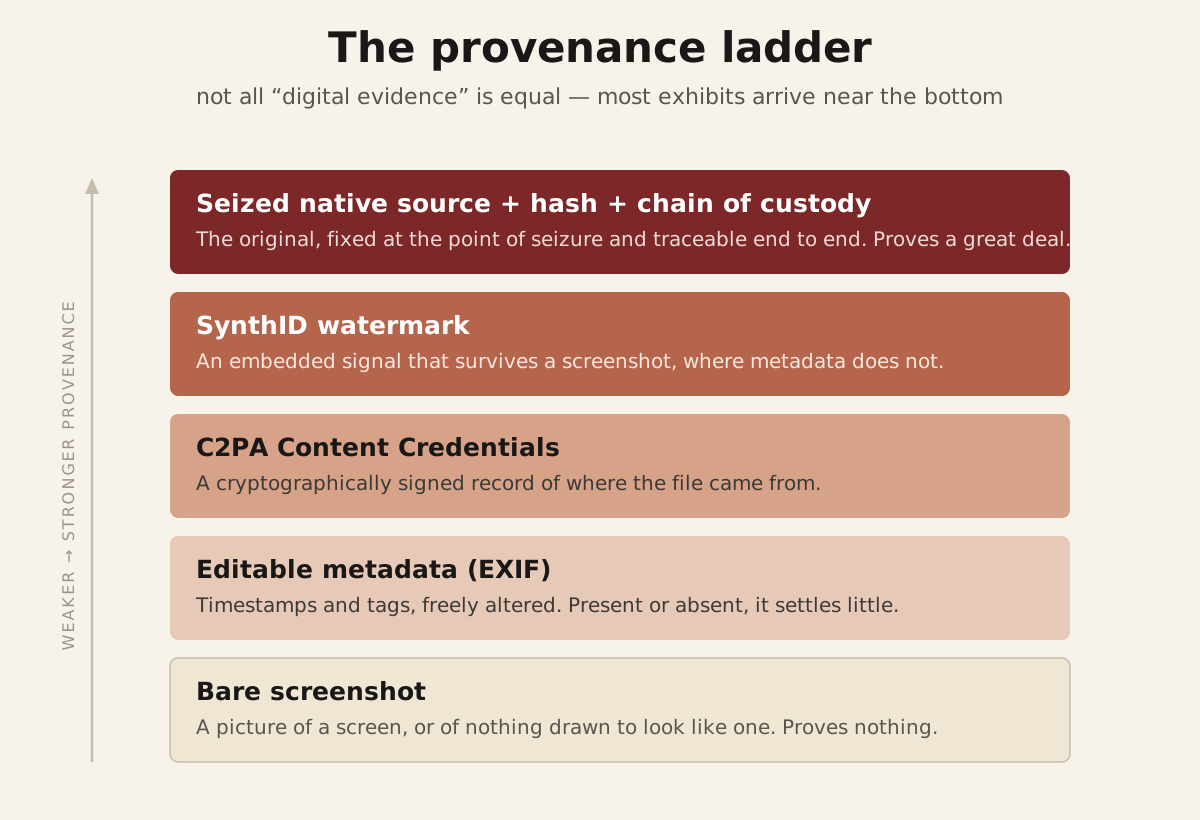
Recover the native recording from the source system where possible, preserve a master copy and record integrity from acquisition. Provenance signals can help, but they need to be read for what they actually establish. C2PA Content Credentials attach cryptographically signed provenance assertions to an asset; Google’s Pixel 10 camera is one current implementation. Google’s separate SynthID system embeds watermarks in Google-generated content and is designed to survive common transformations. Neither system is a universal truth detector. Their presence can support an account of file history; their absence does not prove fabrication. Behind the officer sits the institutional work: access to competent forensic expertise, clear authentication procedures and legal rules capable of dealing separately with software-generated evidence and media authenticity.
None of this means abandoning digital evidence, and none of it means believing it on sight. It means the camera has lost its privilege. It is now a witness like any other — capable of truth, capable of lies, and entitled to be tested before it is believed. The afternoon it took to build John Smith’s file is the same afternoon it would take to build anyone’s. The only thing standing between that file and a conviction is an investigator who stops, at each clip, and asks not “what does this show?” but “how do I know it is real?”
Sources and further reading
- Mendones v. Cushman & Wakefield, Inc. (Superior Court of California, Alameda County, 2025) — first widely reported case of deepfake video submitted as evidence; see the Volokh Conspiracy / Reason write-up and Thomson Reuters Institute on deepfake authentication.
- State of Washington v. Puloka (King County Superior Court, 2024) — AI-”enhanced” video ruled inadmissible. National Law Review; American Bar Association.
- The Arup deepfake video-call fraud, Hong Kong, 2024 — CNN Business.
- UK police officer investigated over alleged AI-fabricated evidence — International Business Times UK.
- Bobby Chesney & Danielle Citron, “Deep Fakes: A Looming Challenge for Privacy, Democracy, and National Security” (2019) — origin of the “liar’s dividend”; and the Brennan Center on shrinking it. On juror memory and audiovisual evidence, see Thomson Reuters Institute, “AI evidence in jury trials”.
- The computer-evidence presumption and Post Office Horizon — Ministry of Justice call for evidence, January 2025; background at Computer Weekly.
- Content provenance — the Coalition for Content Provenance and Authenticity (C2PA) and the Content Authenticity Initiative’s state of the field; Google SynthID. On the limits of C2PA in practice, see the independent testing at Hacker Factor, “Google Pixel 10 and Massive C2PA Failures” (2026), which validated a tampered manifest as untampered against the official checker, and Android Police on how trivially the credential itself can be stripped.
- Europol Innovation Lab, “Facing Reality? Law Enforcement and the Challenge of Deepfakes” identifies evidence tampering, fraud, disinformation and erosion of trust as law-enforcement risks. The current report removes a statement from the original version because the underlying source was inaccurate, so this article no longer uses the old global deepfake-volume figure. CCTV retention is system-specific; UK police requirements for CCTV systems say retention beyond 31 days may be useful in some circumstances and require relevant footage to be capable of being protected from overwrite.
- EU AI Act (Regulation 2024/1689), Article 50 transparency obligations, enforceable from 2 August 2026, with fines up to €15 million or 3% of global turnover for non-compliance. A May 2026 “AI Omnibus” agreement gives generative AI systems already on the market before that date until 2 December 2026 to meet the machine-readable marking requirement specifically — the labelling duty is real, but the grace period for existing tools is longer than the headline date suggests. California SB 942 (AI Transparency Act) is in force from 2026.
This article updates and replaces an earlier 2025 version. All illustrative material remains fictional and AI-generated.