

Evidence & Practice
The Right to Understand
Why adults should be helped to make sense of serious crimes committed against them as children.
Read article →
Accessibility
Translations are generated automatically and cached after the first request. You can return to the original English page at any time.
Topic
The legal framework around policing, from PACE to the courts.
12 articles · All topics →
Why adults should be helped to make sense of serious crimes committed against them as children.
Drug policy is often reduced to tougher laws versus legalising drugs. The evidence is clearer than that: treatment for heroin and other opioid dependence has strong support, while the effects of changing drug laws are harder to judge. Here is the evidence in plain English.
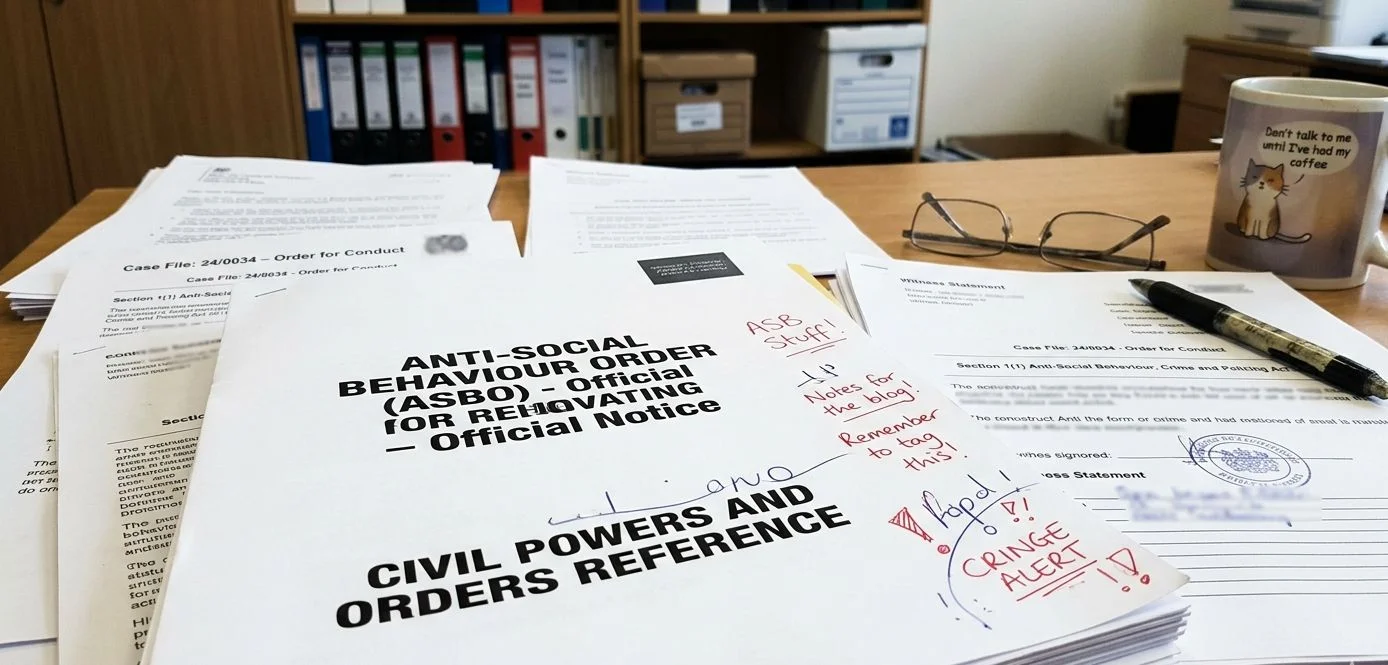
A practical guide to Community Protection Notices, civil injunctions, Criminal Behaviour Orders and closure powers in England and Wales — including what is in force now, what the Crime and Policing Act 2026 changes, and where Respect Orders fit next.

Alex Murray spent a career investigating murders and running counter-terrorism operations, then built the institution that asked British policing a harder question: does any of this actually work? A profile of the founder of the Society of Evidence-Based Policing.

In June 2026 the government launched PoliceAI, a national centre to develop and scale artificial intelligence across the 43 forces of England and Wales. This is a working guide for leaders — what the institution is, the platforms underneath it, and the questions worth asking before any of it reaches your force. Built to grow as the picture does.
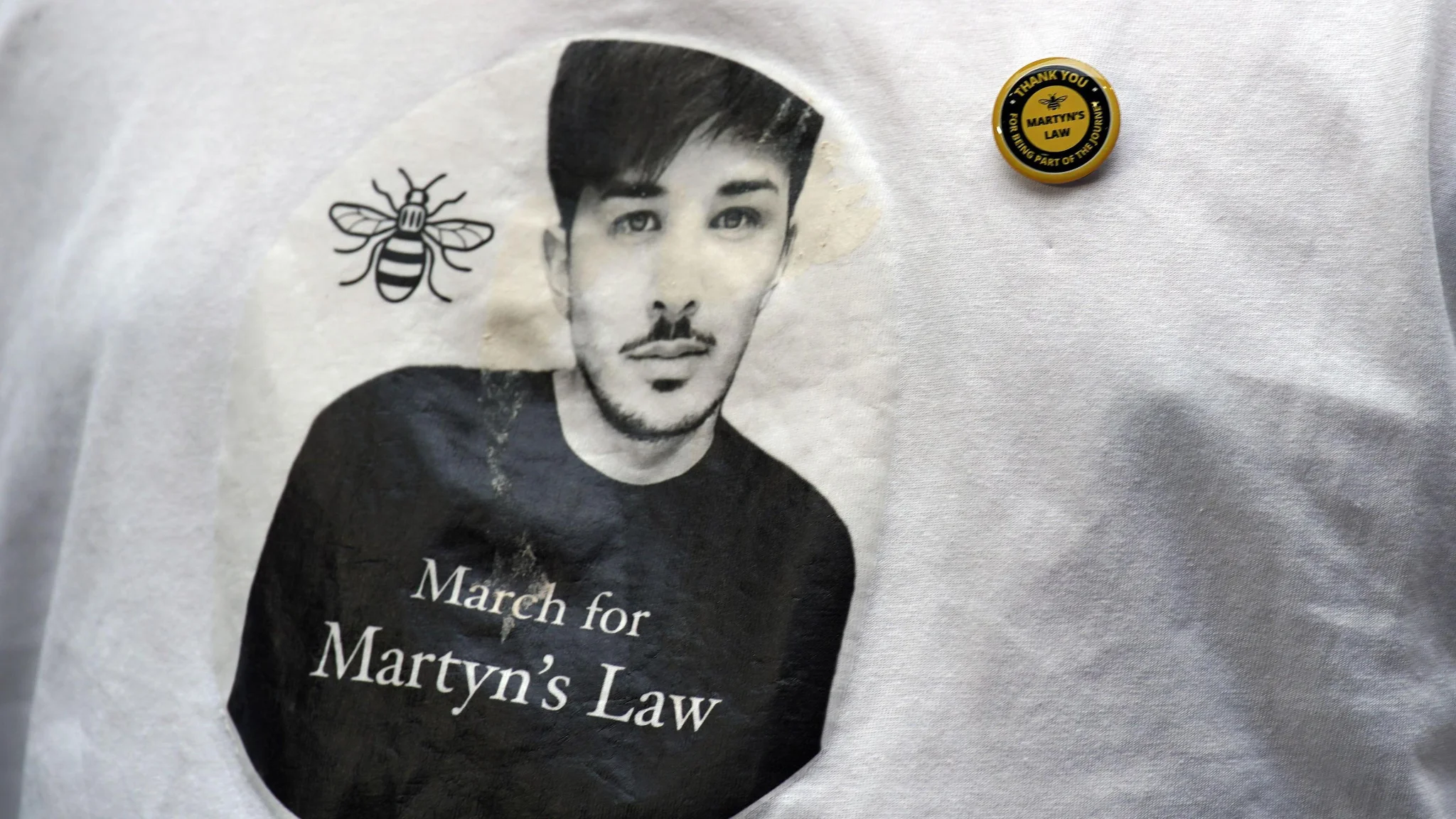
Martyn's Law is enacted but not yet in force. Here is what the 2025 Act requires, what changed in 2026, and what police and venues should do before commencement.

Former Metropolitan Police officer Jerry Ratcliffe helped turn intelligence-led policing into a practical model: interpret the criminal environment, influence decisions and test whether targeted action changes harm.

The sentencing judge found that Vickrum Digwa murdered Henry Nowak and deceived the officers who arrived at the scene. A separate IOPC investigation has since placed two officers under investigation for potential gross misconduct. Those findings must be kept distinct.

Police and courts routinely ask people whether they understand cautions, rights and conditions. A yes/no answer can hide confusion. PACE and judicial guidance require active support for understanding; teach-back is one practical way to check it.
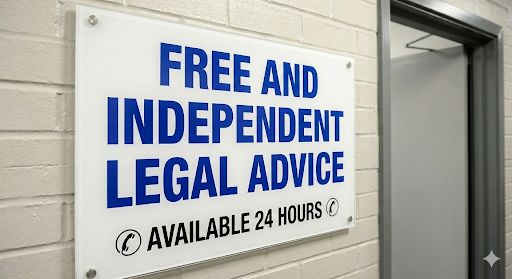
PACE gives detainees in England and Wales a right to free independent legal advice and forbids police from dissuading them from using it. The harder question is whether the way custody presents that right helps people make an informed decision when they decline.

An industry estimate puts fuel taken without payment at £194,000 a day. The figure needs care, but it exposes a police response that still fails to separate mistakes from repeat theft.
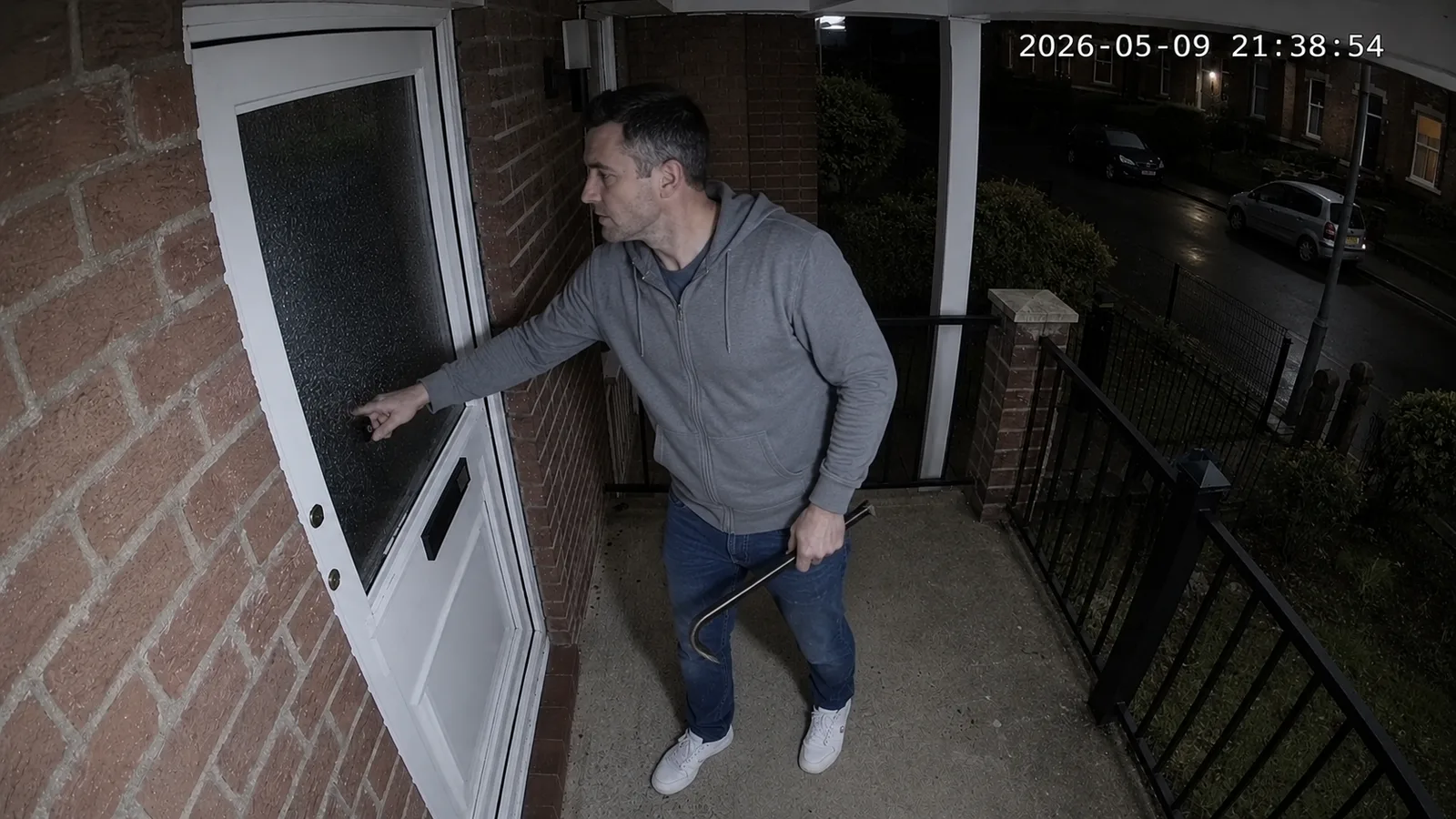
Every image and video in this article is fictional and AI-generated for illustration. John Smith, Margaret Doyle and Wessex Police do not exist, and no real person or event is depicted. A short case study in how cheaply CCTV can now be faked — and what an investigator has to do to keep a manipulated clip out of the file.