If police leaders cannot identify their highest-harm offenders, how can they target them?
Police cannot give everyone the same attention. The Crime Harm Index offers a stronger basis for deciding where scarce resources can prevent the greatest harm.
Thinking About Policing
Your TAP
Your reading preferences and articles saved before signing in are stored in this browser.
Signing in lets TAP store your saved articles, research and CPD against your account. Account settings include your optional profile details, email preferences and account deletion controls.
The Research Assistant sends submitted questions to research and AI services. Use public topics, without names or details of individual cases. Your CPD reflections are not sent to those AI services.
TAP records article views and uses website analytics when configured to understand how the site is used.
Ask about your data →Accessibility
Translations are generated automatically and cached after the first request. You can return to the original English page at any time.
Topic
Protecting people at risk, including the missing.
13 articles · All topics →
Police cannot give everyone the same attention. The Crime Harm Index offers a stronger basis for deciding where scarce resources can prevent the greatest harm.
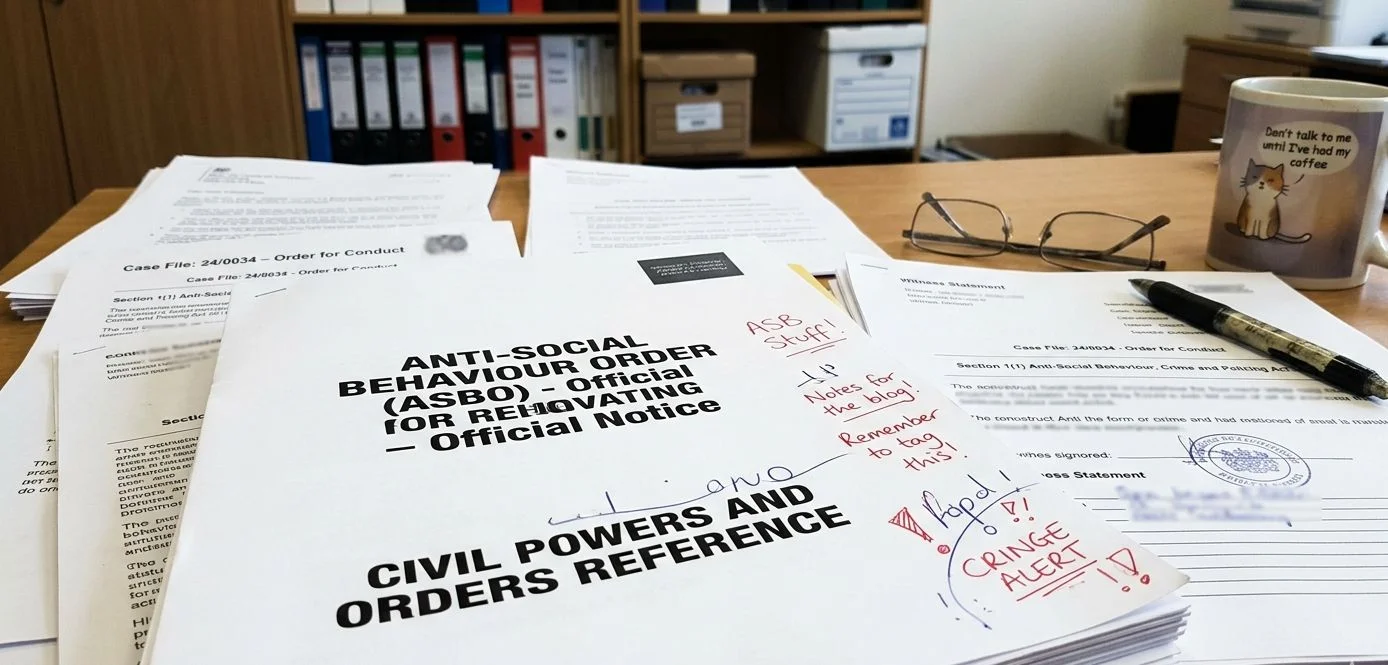
A police leader’s guide to Respect Orders and ASB powers in England and Wales, with four free workflow posters and a team briefing pack.
Protecting vulnerable people after cuckooing: why closure orders and enforcement need continuing support, investigation and assessment.
What is police reform? Explore England and Wales’s 2026 proposals, recent reports, reform leaders and lessons from Scotland and Andy Wooff’s research.
Why we should rethink guidance on arresting at every domestic incident: using evidence about relationship risk to prevent serious harm.
What is the IOPC? How do you complain about the police or check your local force? A plain-English guide to policing bodies and their latest verified reports.
A proposed Right to Understand childhood crime records: existing access rights, new evidence on sentencing transcripts and a supported route for adult survivors.
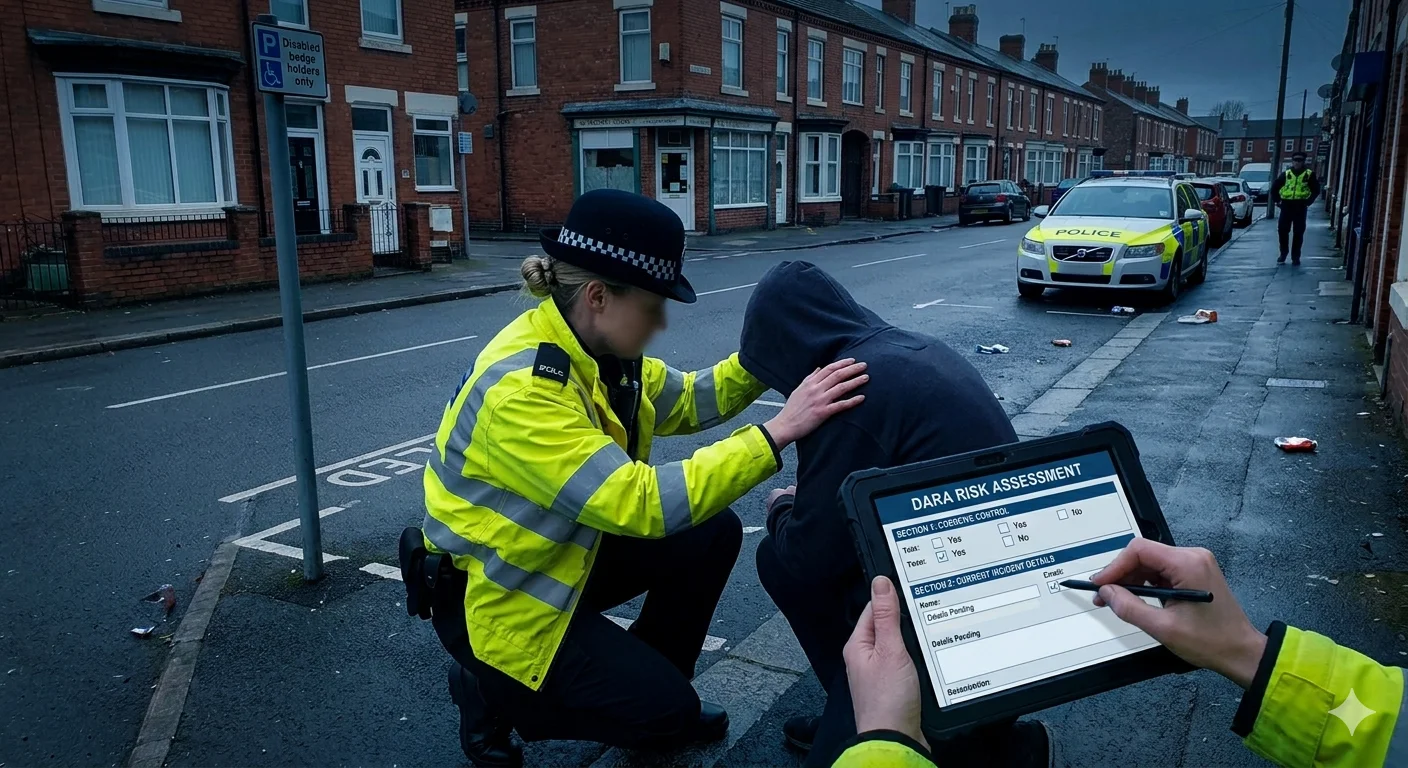
How supervisors can test the reasoning behind a medium domestic abuse risk grade, review the safeguarding plan and recognise the limits of DARA.
A practical guide to Community Protection Notices, civil injunctions, Criminal Behaviour Orders and closure powers in England and Wales — including what is in force now, what the Crime and Policing Act 2026 changes, and where Respect Orders fit next.
What studies of England matches reveal about alcohol, timing and recorded domestic abuse, and how police and partners could test their response.
Police and courts routinely ask people whether they understand cautions, rights and conditions. A yes/no answer can hide confusion. PACE and judicial guidance require active support for understanding; teach-back is one practical way to check it.
PACE gives detainees in England and Wales a right to free independent legal advice and forbids police from dissuading them from using it. The harder question is whether the way custody presents that right helps people make an informed decision when they decline.
Police wellbeing is not only an individual resilience issue. Organisational stressors, fatigue and poor supervision are associated with worse mental wellbeing and impaired performance. The strongest leadership response is to change working conditions as well as offer support.