

Leadership & Culture
Plant seeds, not billboards: how evidence-based policing should grow
How police leaders can help frontline ideas become tested improvements: spot it, tell it, work it, share it.
Read article →
Accessibility
Translations are generated automatically and cached after the first request. You can return to the original English page at any time.
Topic
How policing is led, and how culture is set from the top.
16 articles · All topics →
How police leaders can help frontline ideas become tested improvements: spot it, tell it, work it, share it.
Can complaints, use of force, driving standards and misconduct data identify harmful police team cultures earlier? Research on peer effects and Operation Hotton suggests forces should test the possibility.
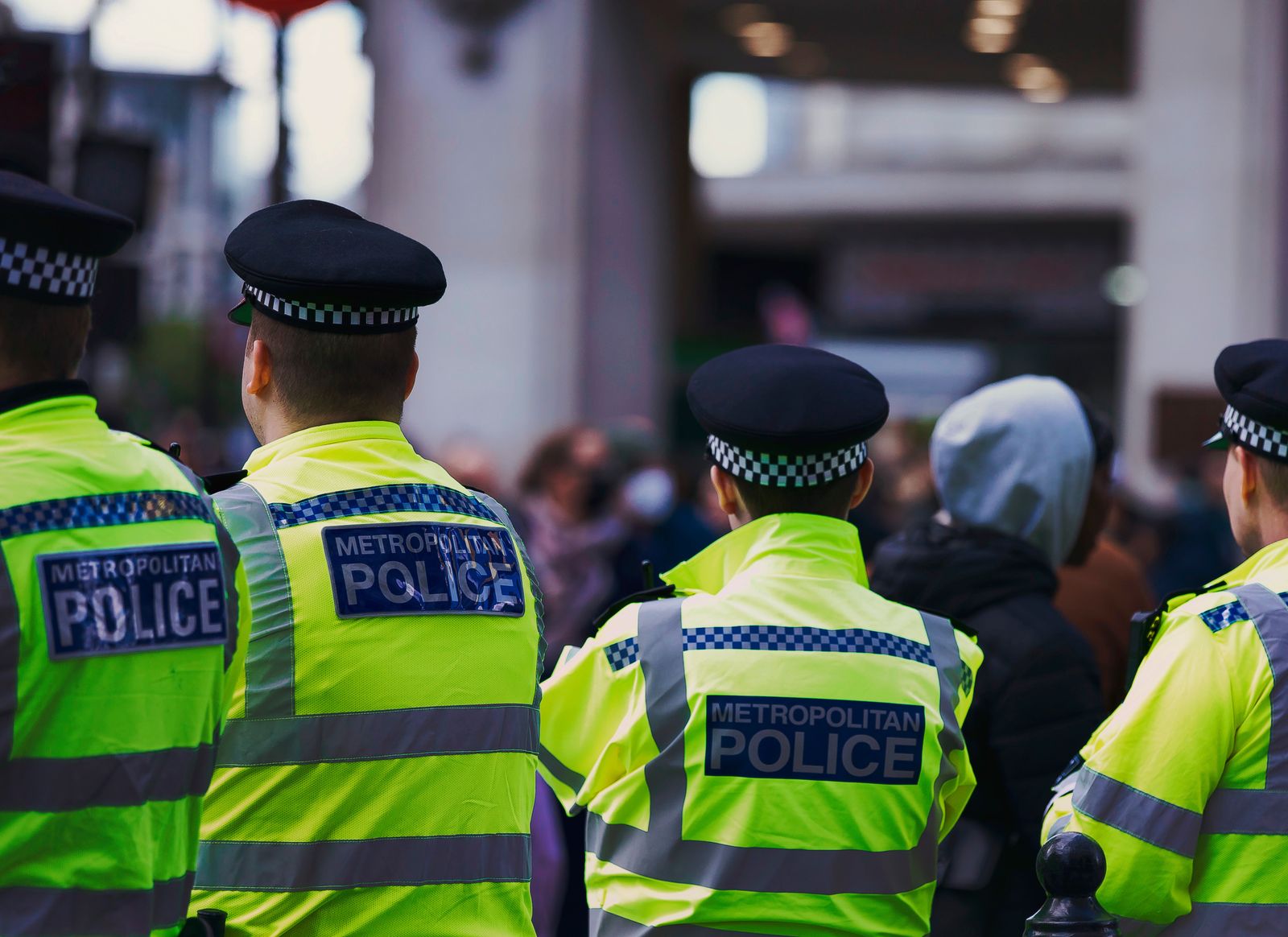
Procedural justice is one of policing's strongest routes to legitimacy: give people voice, make neutral decisions, show respect and explain trustworthy motives. The evidence supports the approach, but leaders should be precise about what it has — and has not — been shown to change.
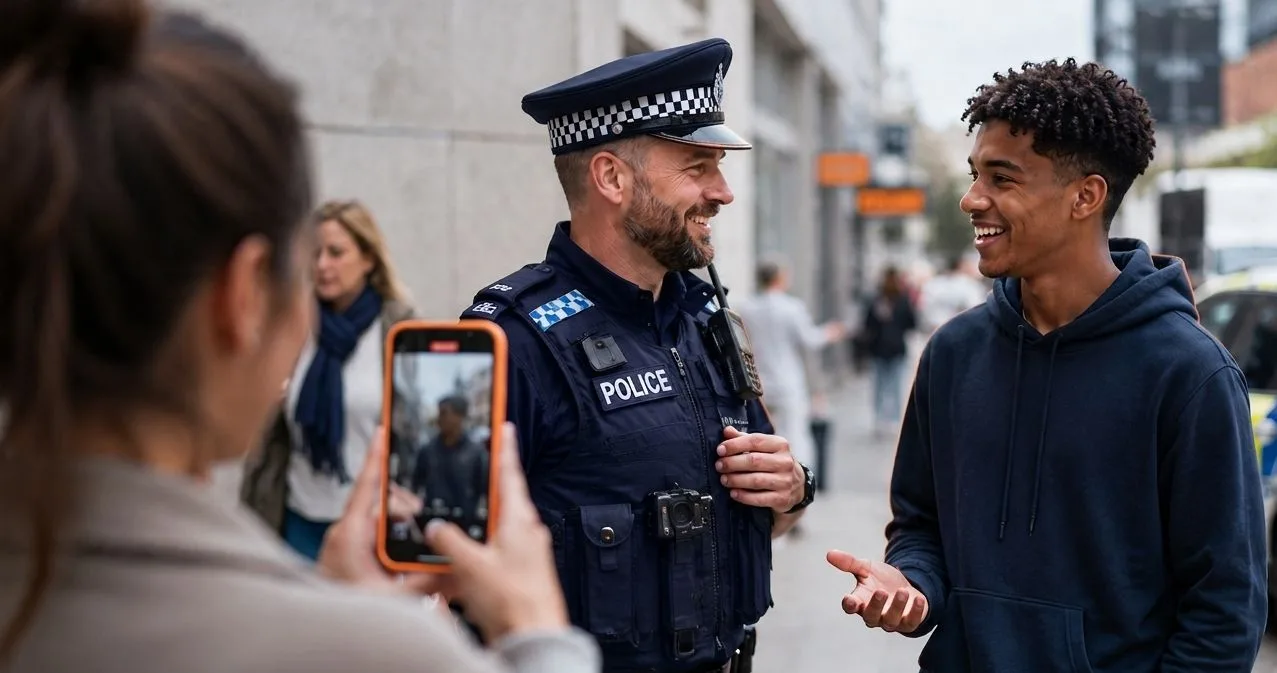
Compare Guardian police headlines with public confidence data, inspect the method and understand why the two trends cannot establish causation.

Alex Murray spent a career investigating murders and running counter-terrorism operations, then built the institution that asked British policing a harder question: does any of this actually work? A profile of the founder of the Society of Evidence-Based Policing.

A practical approval checklist for police leaders: test accuracy, check data handling, assign accountability and make human oversight work.

In June 2026 the government launched PoliceAI, a national centre to develop and scale artificial intelligence across the 43 forces of England and Wales. This is a working guide for leaders — what the institution is, the platforms underneath it, and the questions worth asking before any of it reaches your force. Built to grow as the picture does.
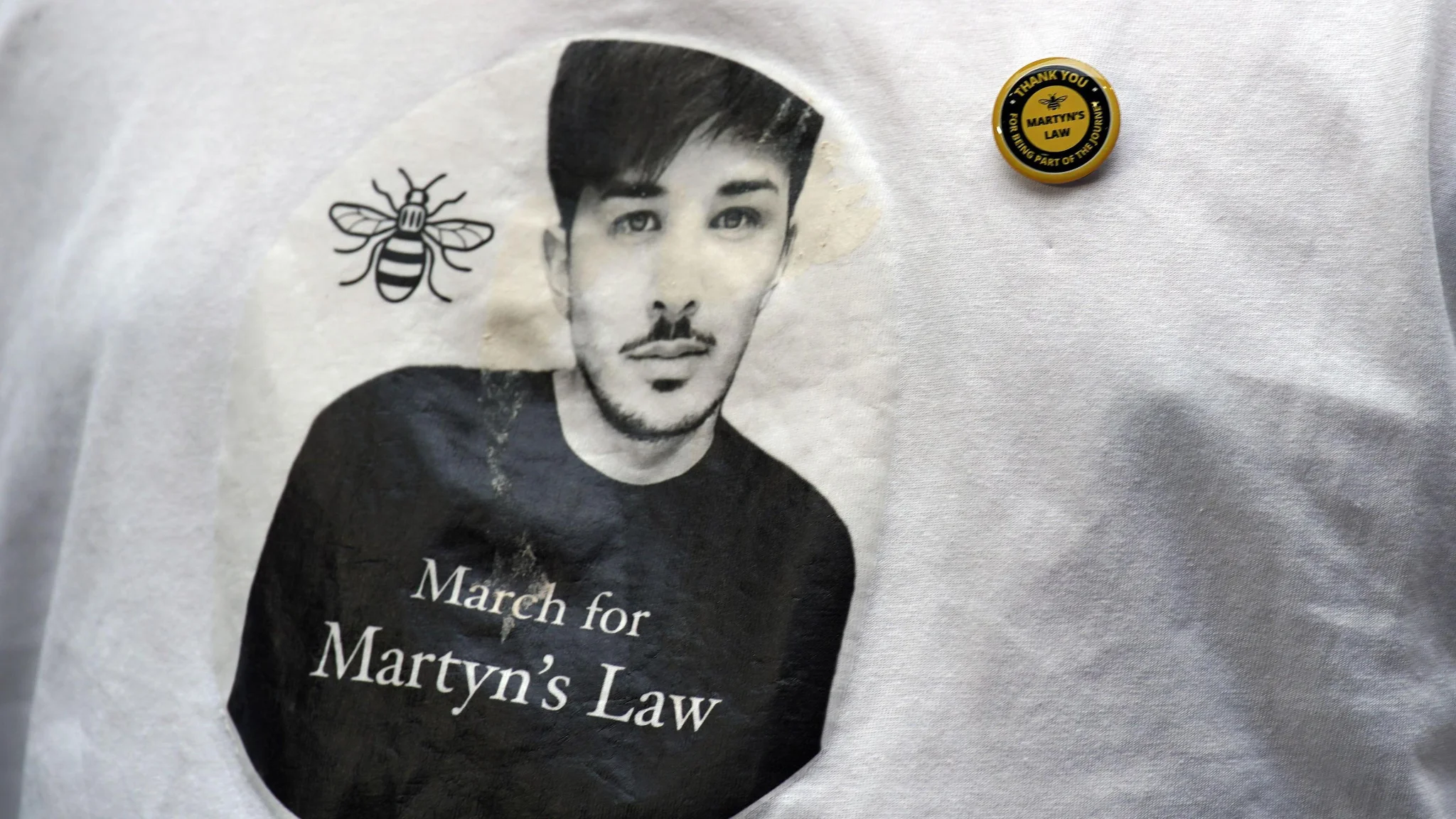
Martyn's Law is enacted but not yet in force. Here is what the 2025 Act requires, what changed in 2026, and what police and venues should do before commencement.

The SEBP's real value isn't lobbying or publishing — it's lowering the bar so that any officer with a good idea can test it, get support to do so properly, and share what they find. Here is what it is, what it actually does, and why that matters.

Former Metropolitan Police officer Jerry Ratcliffe helped turn intelligence-led policing into a practical model: interpret the criminal environment, influence decisions and test whether targeted action changes harm.

In 1981 Lawrence Sherman ran a domestic violence call as a scientific experiment, and policing was never quite the same. A profile of the American criminologist who argued that the police should be tested like medicine — and who taught the officers, Alex Murray among them, who carried the idea into British policing.

Robert Peel created the Metropolitan Police in 1829, but the nine 'Peelian principles' were not written by him. What the history actually supports — and why policing by consent remains a useful test of legitimacy.

Nitazenes are already present in the UK drug market and have been linked to close to 1,000 recorded deaths since June 2023. The 2026 evidence points to adulteration, counterfeit medicines, naloxone readiness and local early-warning systems — not a proven wholesale replacement of heroin.
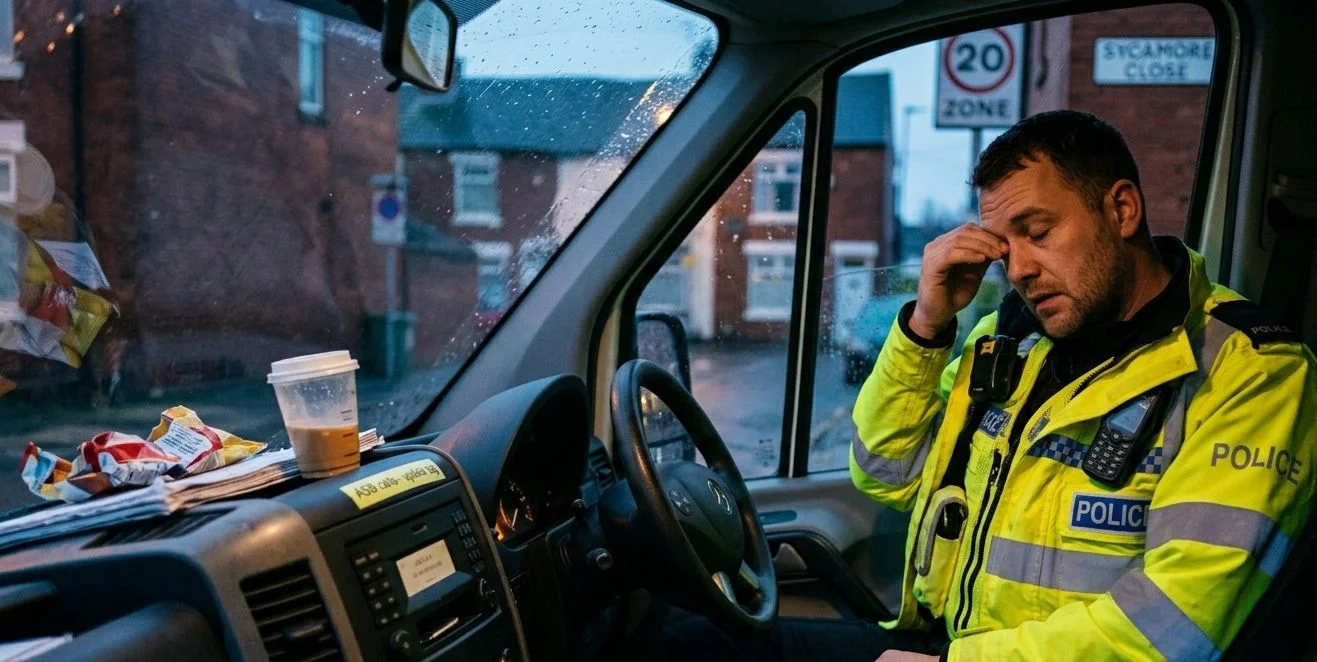
Police wellbeing is not only an individual resilience issue. Organisational stressors, fatigue and poor supervision are associated with worse mental wellbeing and impaired performance. The strongest leadership response is to change working conditions as well as offer support.

UK police employees with autism and ADHD report both strengths and barriers at work, with workplace adjustments frequently requested but not made. The evidence supports better management and adjustments — not stereotypes about what neurodivergent officers can or cannot do.
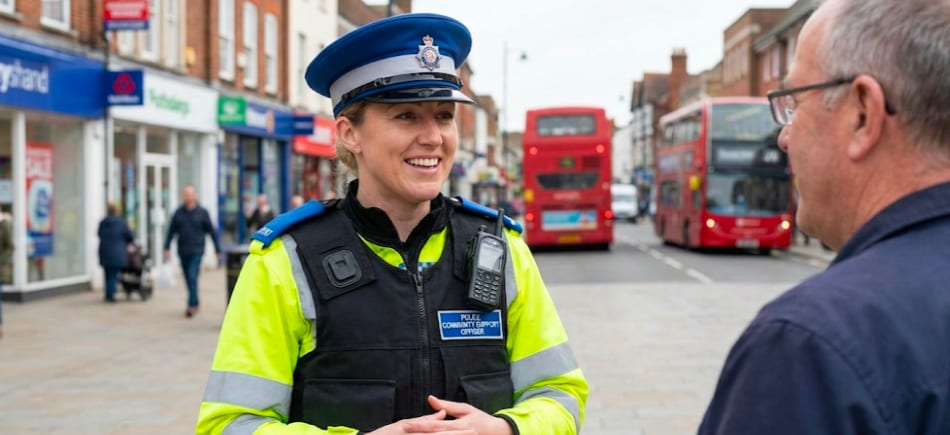
The evidence supports neighbourhood policing as a route to higher public confidence, but visibility alone is not enough. The strongest model combines targeted presence, community engagement and problem-solving — and requires forces to protect the capacity to deliver all three.