Your reading preferences and articles saved before signing in are stored in this browser.
Your member account
Signing in lets TAP store your saved articles, research and CPD against your account. Account settings include your optional profile details, email preferences and account deletion controls.
Research questions
The Research Assistant sends submitted questions to research and AI services. Use public topics, without names or details of individual cases. Your CPD reflections are not sent to those AI services.
Website use
TAP records article views and uses website analytics when configured to understand how the site is used.
Your account holds only what you give it: your email address, any
optional details above, the articles you save, your CPD records and reflections, and your email
preference. Your CPD notes are private to your account and are not sent to AI services. Saved articles and details are stored on your behalf so
they sync across your devices; email updates are sent through
MailerLite. Nothing is sold or shared, and there are no advertising
trackers. You can edit or remove any of it here, and deleting your
account below erases all of it permanently.
Danger zone
Permanently delete your account, saved articles, research library
and details. This cannot be undone.
Signed in · syncs across devices
Welcome to Thinking About Policing!
Topic
More or Less Policing
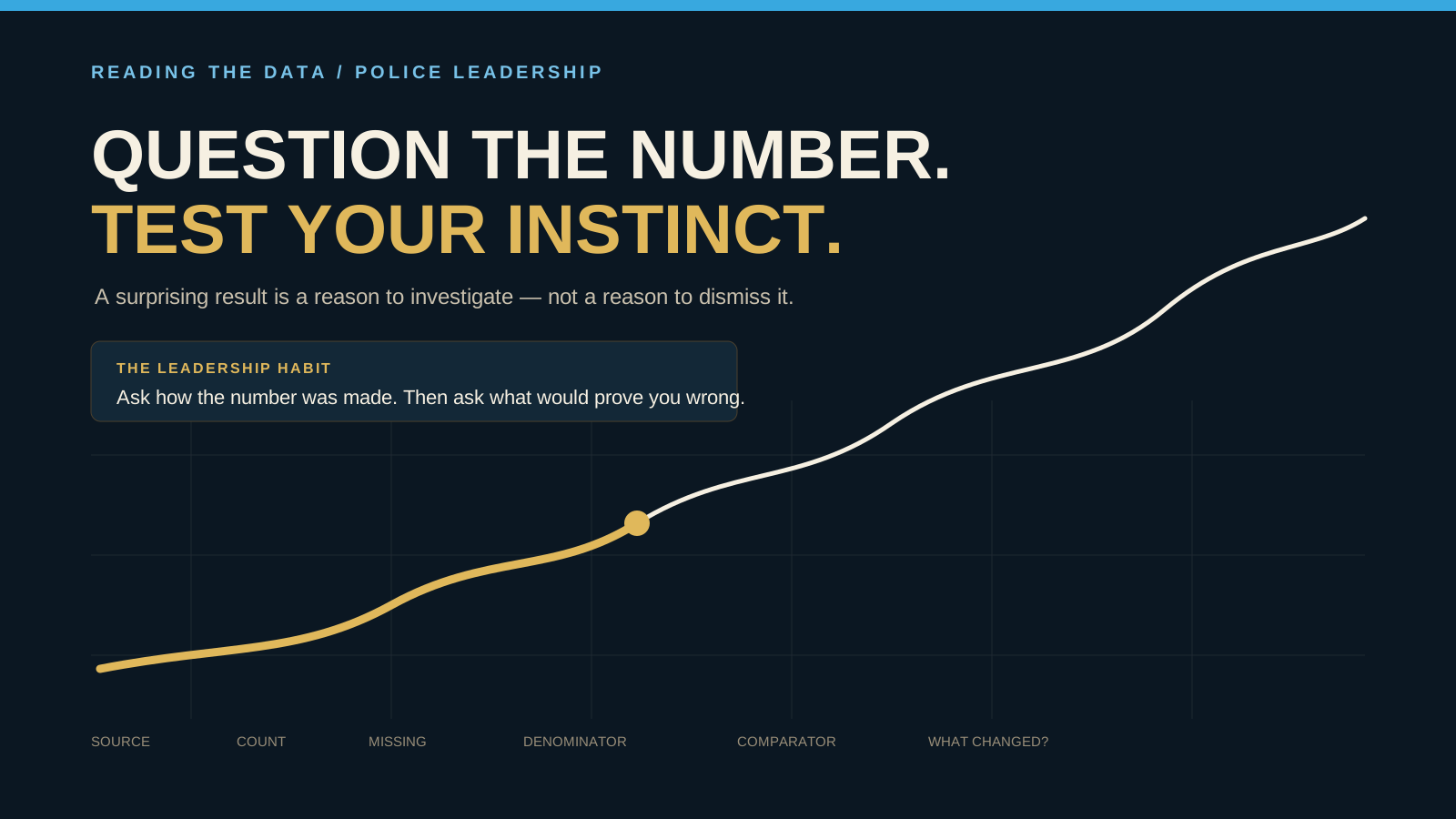
Reading police statistics without being fooled by them — a strand inspired by Radio 4's More or Less, paired with the live data explorer.